
Last updated November 15, 2026
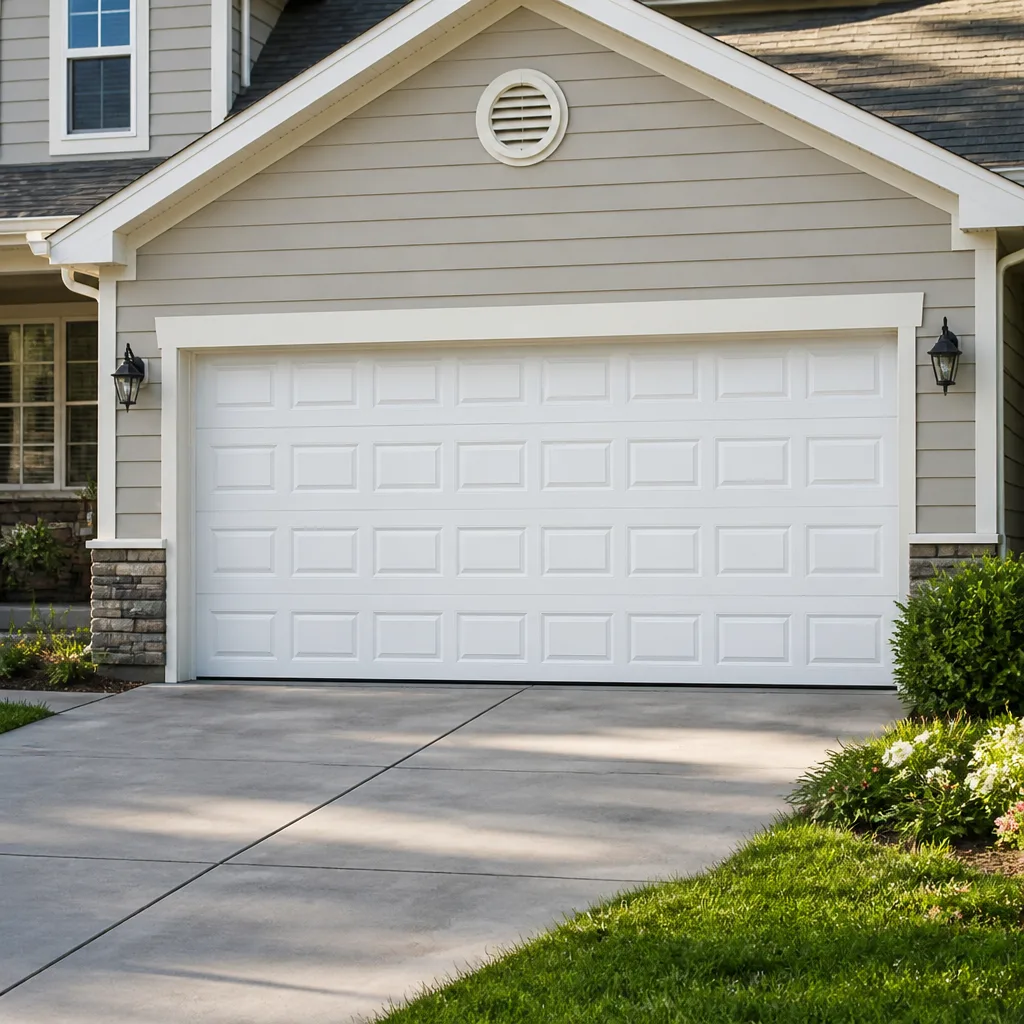 Raised-panel steel
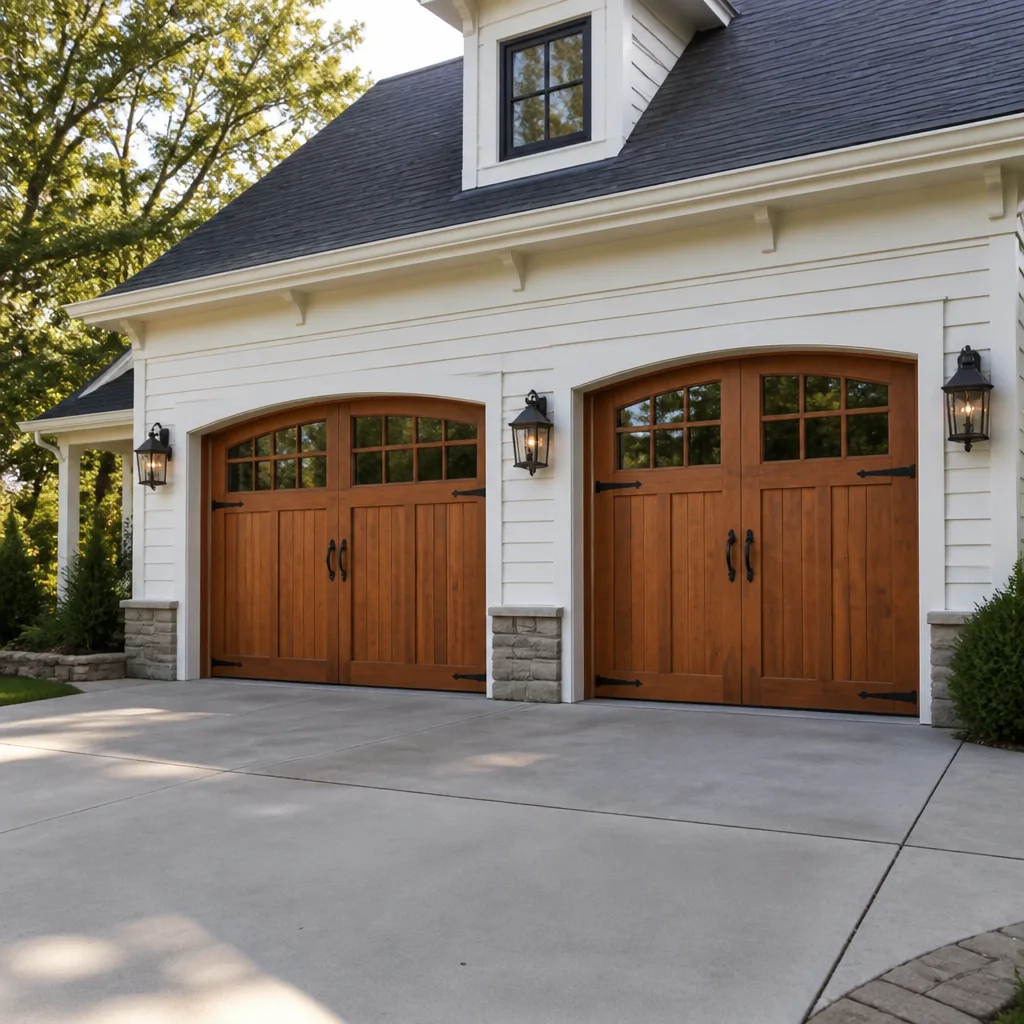 Carriage house
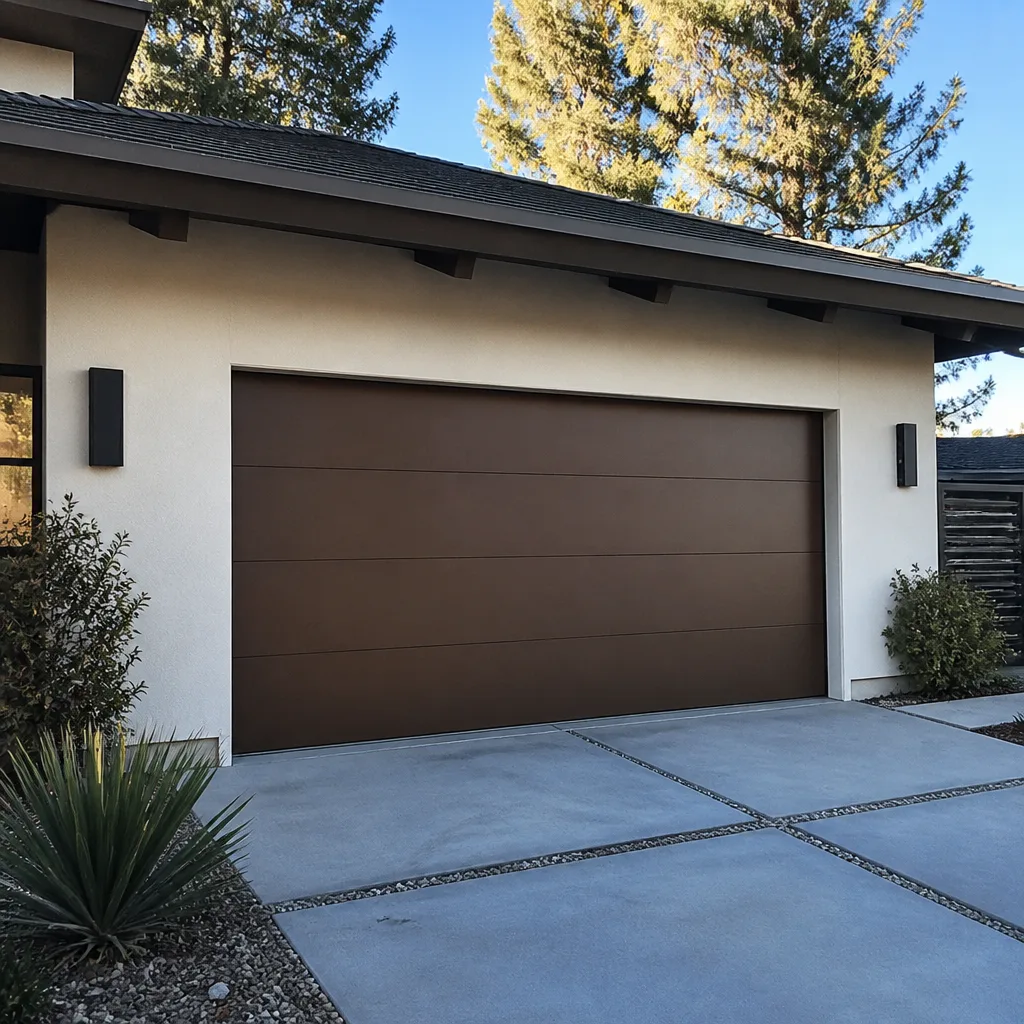 Modern flush
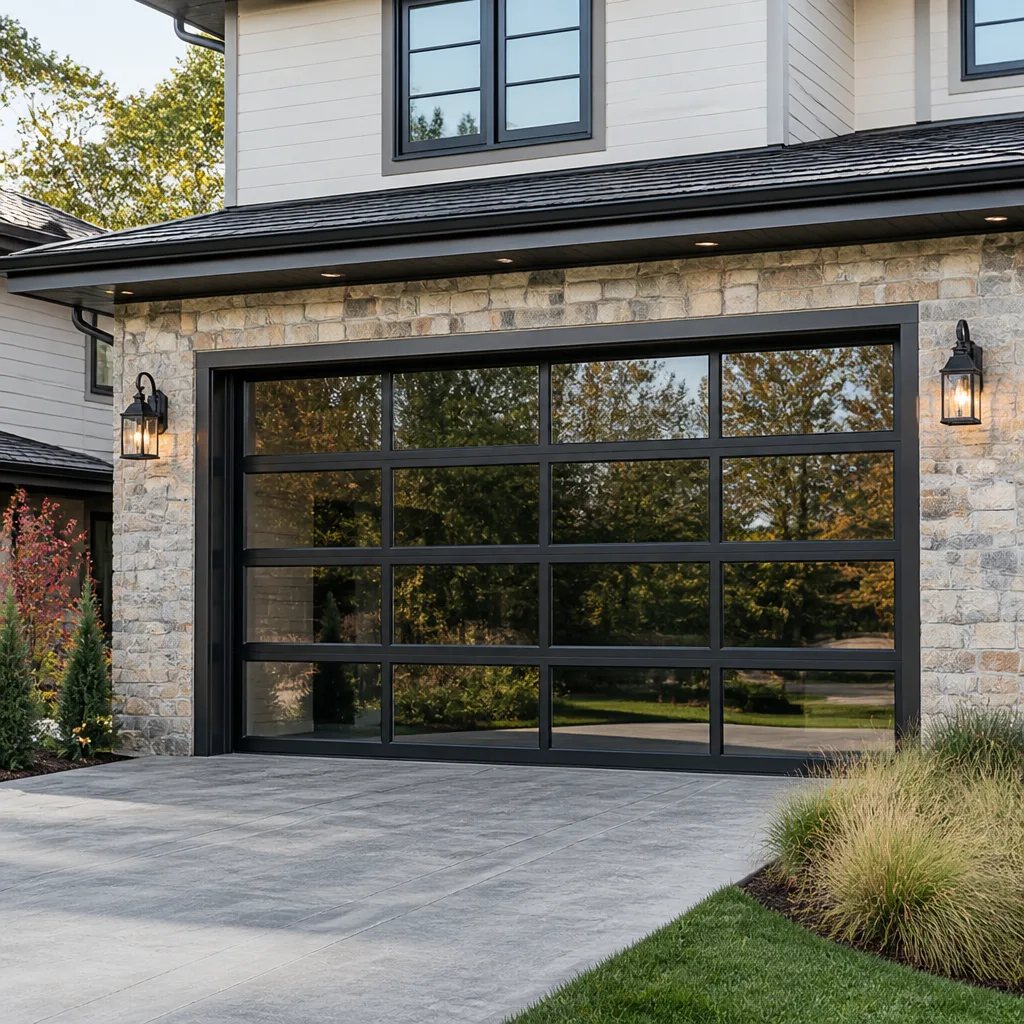 Full-view glass
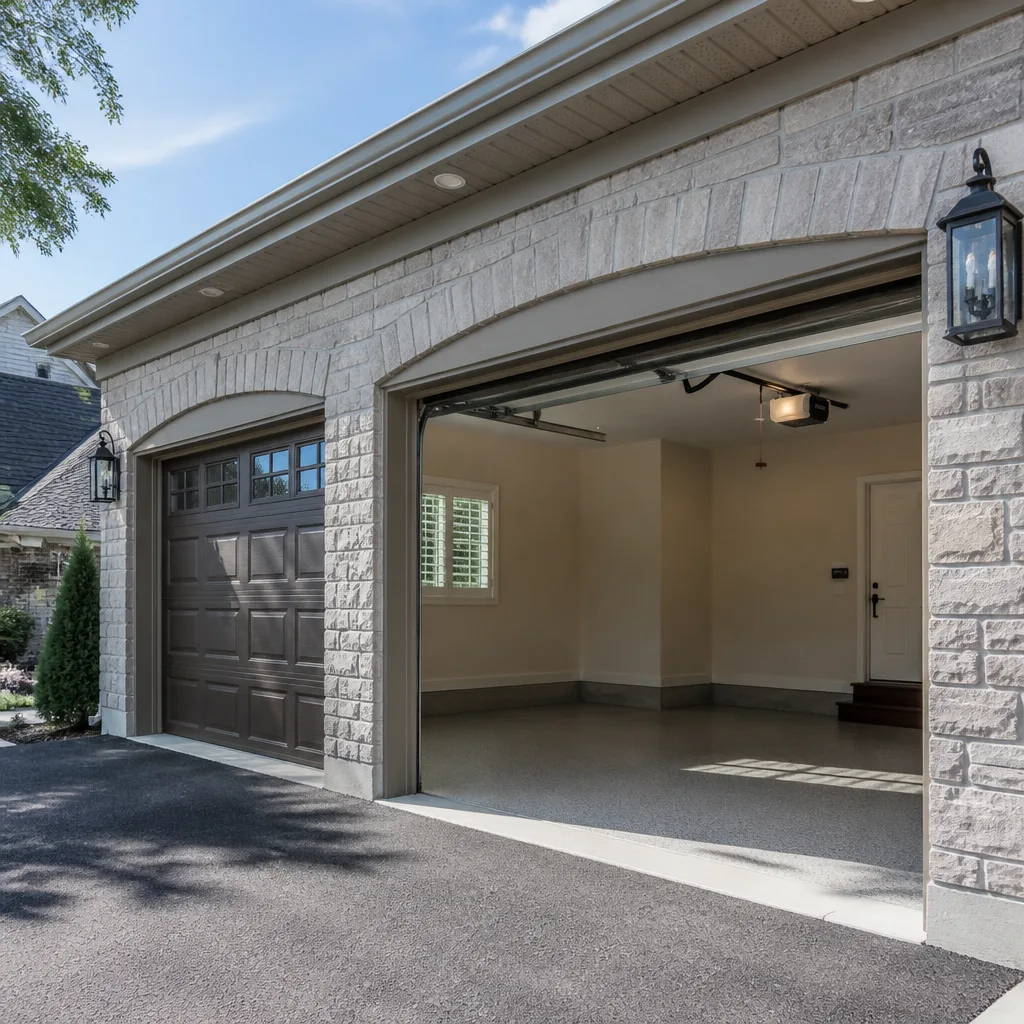 LiftMaster openers
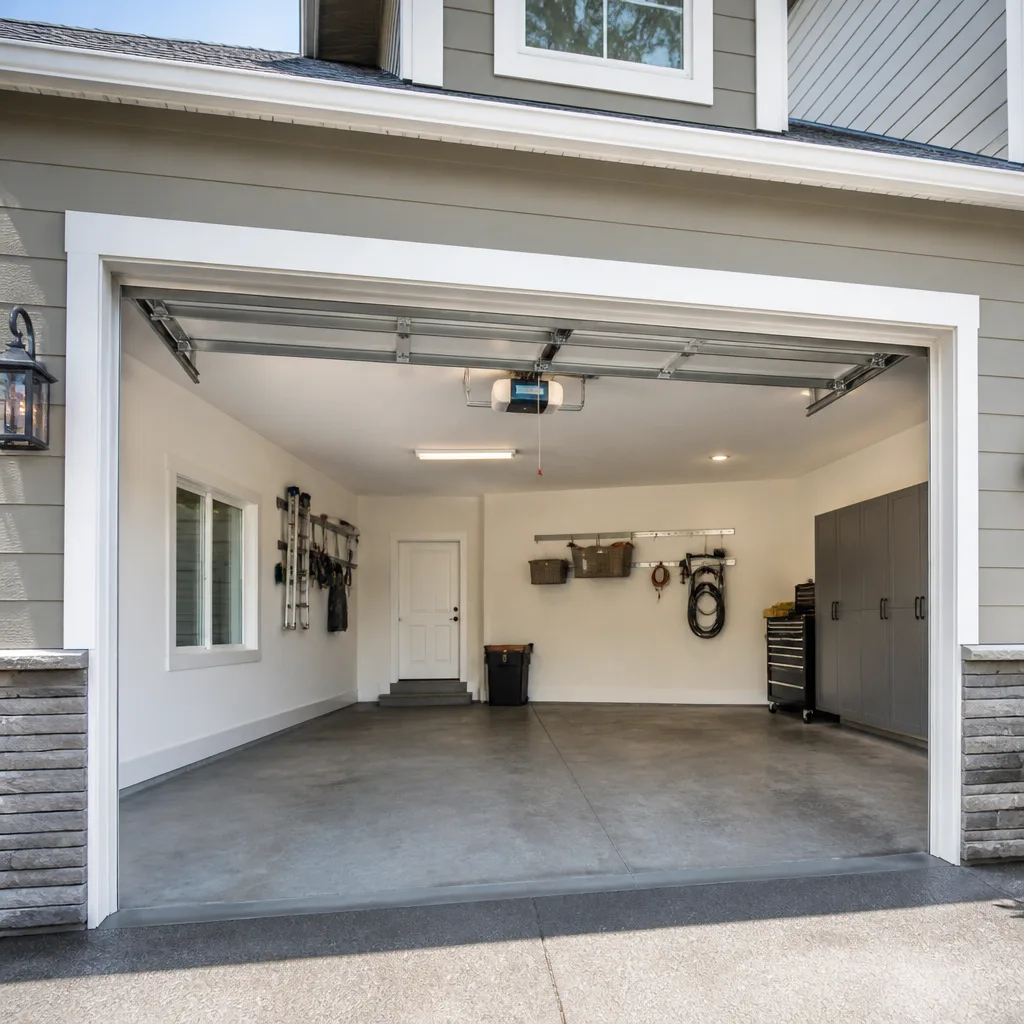 Chamberlain openers
Full 25-point door and opener safety check with every visit - springs, cables, rollers, tracks, and your LiftMaster or Chamberlain opener included
You get a price before we start. It does not change when the pro arrives.
Get your free estimateGarage Door Repair Maintenance Checklist for Ventura Homeowners
Most homeowners who think they’re maintaining their garage door are only lubricating it. Lubrication without inspection is like painting over rust: it hides the problem for a while without fixing anything underneath. A real checklist is a sequence, and the order matters. Check the hardware that holds the door up before you test how it moves, because a balance test on a failing spring tells you less than nothing. In Ventura, that sequence also has to account for humid air off the water, which attacks hinges and anchor points long before it touches the panels everyone stares at. This guide gives you the order, the local corrosion points, and an honest line between what you can safely handle and what needs a trained technician.
Quick Answer
A proper garage door maintenance checklist in Ventura follows a fixed order: inspect springs and cables first, then hinges, rollers and fasteners, then the safety sensors and opener logic, then balance and travel testing, and only then lubrication. Coastal humidity here rusts hinge pins and cable anchor points faster than inland climates do, so homes near the water generally need a quarterly once-over instead of the annual check most national guides recommend. Anything involving the torsion spring, the cables, or the opener’s internal wiring belongs to a technician, not a weekend project.
Styles & brands we work with
- Raised-panel steel
- Carriage house
- Modern flush
- Full-view glass
- LiftMaster openers
- Chamberlain openers
Table of Contents
- Why the Order of Your Inspection Matters
- The Step-by-Step Maintenance Sequence
- Corrosion Checkpoints Specific to Ventura
- Is the Marine Layer Affecting Your Opener?
- How Often Ventura Homes Really Need a Check
- What You Can Do Safely vs. What Needs a Technician
- Brand-Specific Maintenance Notes
- Seasonal Adjustments for Ventura’s Climate
Why the Order of Your Inspection Matters
Here’s the mistake we see most often: a homeowner lifts the door halfway by hand to see if it “feels heavy,” and nothing goes wrong, so they assume the springs are fine. That test means very little if you skipped the step before it. Springs, cables, and the bottom bracket are the parts under tension. They’re also the parts that cause serious injury when they fail, which is why inspection has to start there, with your eyes and not your hands.
The correct sequence runs from the highest-risk components down to the lowest. Each step assumes the one before it passed, and if a step raises a flag, you stop and call for service rather than finishing the list. Jumping ahead to lubrication is the most common shortcut, and it’s the one that masks problems instead of finding them. Grease on a worn hinge or a fraying cable doesn’t fix anything; it just makes the wear harder to see on the next check.
Ventura homes add a wrinkle here. Humidity off the water means the corrosion-prone pieces (hinge pins, roller stems, the fasteners holding the track brackets) tend to show wear before the panels or the spring do. A checklist ordered by risk, not by what’s easy to reach, catches those early. It also keeps you from spending twenty minutes greasing a door that has a cable about to let go.
If you take one thing from this section: the sequence is the maintenance. The tasks themselves are simple. Performing them in the right order is what separates a real inspection from a cosmetic wipe-down.
The Step-by-Step Maintenance Sequence
Work through this in order. If any step turns up a problem you can’t safely address, stop there and arrange service before continuing.
- Visual spring and cable inspection. With the door closed and the opener disconnected, look at the torsion spring above the door or the extension springs along the tracks. Look for gaps, rust streaks, or a stretched, uneven coil. Look at both cables for fraying or kinks. Do not touch, adjust, or try to wind anything. This step is eyes only.
- Hinge and fastener check. Open the door partway and look at every hinge. Rust at the pin, a loose leaf, or a hinge that has pulled away from the panel is a flag. Check the bolts holding the track brackets to the wall. In Ventura, surface rust on a hinge pin is worth a closer look even if it hasn’t seized yet.
- Roller assessment. Rollers should turn freely and feel solid. Steel rollers that have flat-spotted or nylon rollers that have cracked need replacement, and this is a job a homeowner can typically do with the door closed and the opener disconnected.
- Track alignment. Stand at one side and sight down the track. It should be straight and parallel to the door edge. Dents, bends, or a track that has pulled loose from a bracket are technician territory.
- Safety sensor test. With the door open, pass an object through the beam at the base of the tracks. The door should reverse. If it doesn’t, stop and get it serviced before using the opener again.
- Balance test. Disconnect the opener, raise the door by hand to about waist height, and let go. A properly balanced door holds roughly where you left it. A door that drops or rises on its own has a spring or tension problem, and that’s a call to a technician.
- Lubrication. Only now. A garage-door-specific lubricant on hinges, roller stems, and the spring (never on the tracks themselves) reduces wear. Greasing the tracks attracts grit and makes things worse.
Two additional checks belong at the end: confirm the manual release works smoothly, and look at the weather seal along the bottom for cracks or gaps. Neither is dangerous, and both are easy to replace. For issues that come up in the garage door repair category, this sequence tells you which one you’re dealing with before anyone arrives.
Corrosion Checkpoints Specific to Ventura
Humid air off the water moves through a garage differently than dry inland air does. It settles on metal, sits in the small gaps where fasteners meet wood or steel, and does its work quietly. The parts that show it first aren’t the ones most homeowners check.
- Hinge pins and leaves. The pivot point inside each hinge collects moisture and is usually the first place rust appears. A hinge that squeaks despite recent lubrication is often corroded inside the pin.
- Cable anchor points. The brackets at the bottom corners and the drum at the top collect condensation. Look for rust streaks running down from these points, which tells you moisture is pooling there.
- Track mounting bolts. Where the track brackets bolt into the wall or the header, rust can loosen the connection over time. A wobbly bracket is worth checking before it becomes a misaligned track.
- Roller stems. Steel stems seize inside their housings. Once a roller stops turning it starts wearing a flat spot into the track, and that damage spreads.
- Bottom brackets and the bottom seal. The lowest part of the door sits closest to a damp floor. The metal bottom bracket and the seal along the bottom edge both take the brunt of it.
- Opener mounting hardware. The brackets holding the opener rail to the ceiling and the header collect moisture too. Look for rust around the bolts, especially in older homes with uninsulated garages.
We work on doors from Amarr, Wayne Dalton, Craftsman and Raynor regularly, and the corrosion points are similar across brands because the hardware is similar. What differs is the specific finish and the grade of fastener, and that’s why knowing the system on your door matters when it comes time to replace a part. A rusted hinge on one door may be a five-dollar fix and on another may signal a bracket that needs attention. If you’re not sure which category you’re in, our team can look at the Sunridge Garage Door Repair services and help you sort it out.
The practical takeaway: check the hardware, not the panels. Rust on a panel is cosmetic. Rust on a hinge pin or a cable anchor is the part that decides whether the door keeps working.
Is the Marine Layer Affecting Your Opener?
Coastal humidity has a specific way of showing up in opener problems, and it’s different from the failures inland homeowners see. The symptoms cluster around the electronics: sensors that trigger randomly, a door that reverses for no apparent reason, or a remote that works intermittently. Before assuming the opener is failing, rule out the simpler causes.
What to check first
- Sensor alignment and lens condition. The safety sensors at the base of each track should be pointed directly at each other. Wipe the lenses. Moisture and dust film on the lens cause phantom triggering more often than actual electrical failure does.
- Sensor wiring. The low-voltage wires running to the sensors run along the floor or the track. Check for nicks, pinches, or corrosion at the terminals. In humid air, a corroded terminal can cause intermittent signal loss that looks like a failing sensor.
- Logic board condition. The opener’s logic board is inside the motor housing. If the housing shows moisture or condensation, that’s a flag. Don’t open it yourself; the board carries line voltage. This is one for a technician.
- Battery and remote pairing. Before blaming the opener, replace the remote battery and confirm the wall control works reliably. If the wall control works and the remote doesn’t, it’s rarely the logic board.
The pattern that matters: if sensor problems come and go with the weather, moisture is likely involved. If they’re constant, it’s more likely alignment or a failed component. Our garage door opener repair service covers this diagnosis specifically, including the smart and motorized systems that most general repair services treat as an afterthought. We keep opener work as its own specialty because the failure modes are different from door hardware failures.
How Often Ventura Homes Really Need a Check
Most national guides recommend an annual check. That’s fine advice for a dry inland climate. It’s not enough for homes close to the water here.
- Within about a mile of the coast: quarterly checks. The corrosion points move faster, and a quarterly look catches a rusted hinge before it seizes.
- Mid-town and areas a few miles in: twice a year, once in spring and once in fall, is usually enough.
- Further inland, drier elevations: an annual check covers most homes, with an extra look after any wet stretch.
- High-use homes (a door that cycles several times a day, or a household with multiple cars coming and going): add a check regardless of distance from the water. Cycles wear hardware faster than climate does.
The reasoning is straightforward. Every opening and closing cycle wears the springs and rollers. Humidity accelerates corrosion on the fasteners and hinge pins. A garage near the water in Ventura faces the combined effect of both, and a once-a-year inspection misses the window where a small corrosion issue is still cheap to fix. Quarterly isn’t overkill; it’s matching the schedule to the conditions.
One caveat: quarterly inspection doesn’t mean quarterly service calls. Most quarterly checks are things you can do yourself in ten minutes. What changes is that you catch problems earlier, which usually means fewer urgent repair calls in the end.
What You Can Do Safely vs. What Needs a Technician
We’d rather draw this line honestly than hide behind a disclaimer. Here’s the real split.
Safe for most homeowners
- Visual inspection of springs, cables, and hardware (eyes only)
- Lubricating hinges, roller stems, and springs with garage-door lubricant
- Replacing rollers (door closed, opener disconnected)
- Cleaning and aligning safety sensors
- Replacing the bottom weather seal
- Replacing remote batteries and re-pairing remotes
- Tightening visible bolts that aren’t under tension
Needs a technician
- Replacing torsion or extension springs
- Adjusting or replacing cables
- Repairing or replacing the bottom bracket
- Opening the opener housing or working near the logic board
- Realigning a bent track
- Balancing the door or adjusting spring tension
The distinction isn’t about liability. It’s about stored energy. A torsion spring under tension, a cable under load, and the bottom bracket that anchors both can inflict serious injury in an instant if they’re mishandled, and a door that drops unexpectedly is heavy enough to hurt. A trained technician knows how to release that tension safely and has the winding bars to do the job. Our technicians have up to 15 years of experience with exactly this kind of work.
If you’re not sure which side of the line a task falls on, err toward calling. A free estimate costs you nothing and answers the question.
Brand-Specific Maintenance Notes
The checklist above applies to every door. The specifics of what to look at can differ by make, which is why a diagnosis that starts with “what brand is it” is more accurate than one that doesn’t.
Wayne Dalton doors often use proprietary hinge and roller configurations on their sectional models, so a generic replacement part may not fit. Amarr doors tend to have robust steel construction; the fasteners holding the panels are the parts to watch for corrosion. Craftsman openers, many of which are older units, use a logic board design where the sensor wiring is especially sensitive to a corroded terminal. Raynor doors and openers follow their own hardware patterns, and knowing the model family helps a technician bring the right part the first time.
We service all eight major brands in residential use: LiftMaster, Chamberlain, Genie, Clopay, Amarr, Wayne Dalton, Craftsman, and Raynor. That means when we arrive, we’re not guessing at the equipment. We’re reading it. It also means we’re not pushing a replacement you don’t need; repairing what’s already on your door is the first option we look at. When your opener or door needs service in Ventura, call (844) 685-4199. We answer 24/7, with fast dispatch from 7am to 7pm, Sunday through Friday.
Seasonal Adjustments for Ventura’s Climate
Ventura doesn’t give you the sharp seasonal swings that force a maintenance calendar in colder climates. What it gives you is a slow, steady humidity cycle that peaks in the cooler months and a dry stretch in summer. The schedule adjusts for that.
- Cooler, damper months: this is when corrosion moves fastest. Check hinge pins and cable anchors, and look at the bottom bracket and seal. If you live near the water, this is the check you don’t skip.
- Warm, dry months: the corrosion risk eases, but dust and grit accumulate on tracks and rollers. This is the time to clean the tracks and check rollers for wear.
- After any wet stretch: a quick visual check of the hardware costs you five minutes. Water that gets into a hinge pin or a bracket works fast while it’s there.
- Before and after heavy use periods: a household that’s in and out of the garage constantly will wear springs and rollers faster. Check balance and listen for new noises.
Listen to the door, too. A grind, a rattle, or a thunk that wasn’t there before is the door telling you something changed. In a humid climate, a new noise often means a bearing or a hinge pin has started to corrode. Catching it at the noise stage is almost always less expensive than catching it after the part has failed.
Common Mistakes to Avoid
- Lubricating the tracks. Garage-door lubricant belongs on hinges, roller stems, and springs. Tracks get cleaned, not greased; grease attracts grit and can make the door drag.
- Testing the balance before checking the springs. Skip the spring and cable inspection and the balance test can be misleading, or worse, unsafe. See the sequence.
- Ignoring rust on the hardware. In Ventura’s humidity, rust on a hinge pin or a cable anchor is an early signal. Waiting for the hinge to seize costs more than replacing it.
- Assuming annual is enough. If your home is close to the water, a once-a-year check leaves too long a gap. Quarterly is the right schedule for homes within about a mile of the coast.
- DIY spring replacement. This is the single most dangerous garage door job. The springs are under high tension and the tools for the job are specific. It’s not a weekend project.
- Pushing replacement before repair. A door that’s noisy or sticking often needs a part, not a whole new door. Ask for a diagnosis, not a quote for replacement.
- Blaming the opener for sensor problems. Random reversing and intermittent remote failures are usually sensors or wiring, not a failing motor. Check the simple causes first.
- Putting off the noise. A new grind or rattle is information. Waiting until the door stops working turns a repair into an emergency.
See the difference
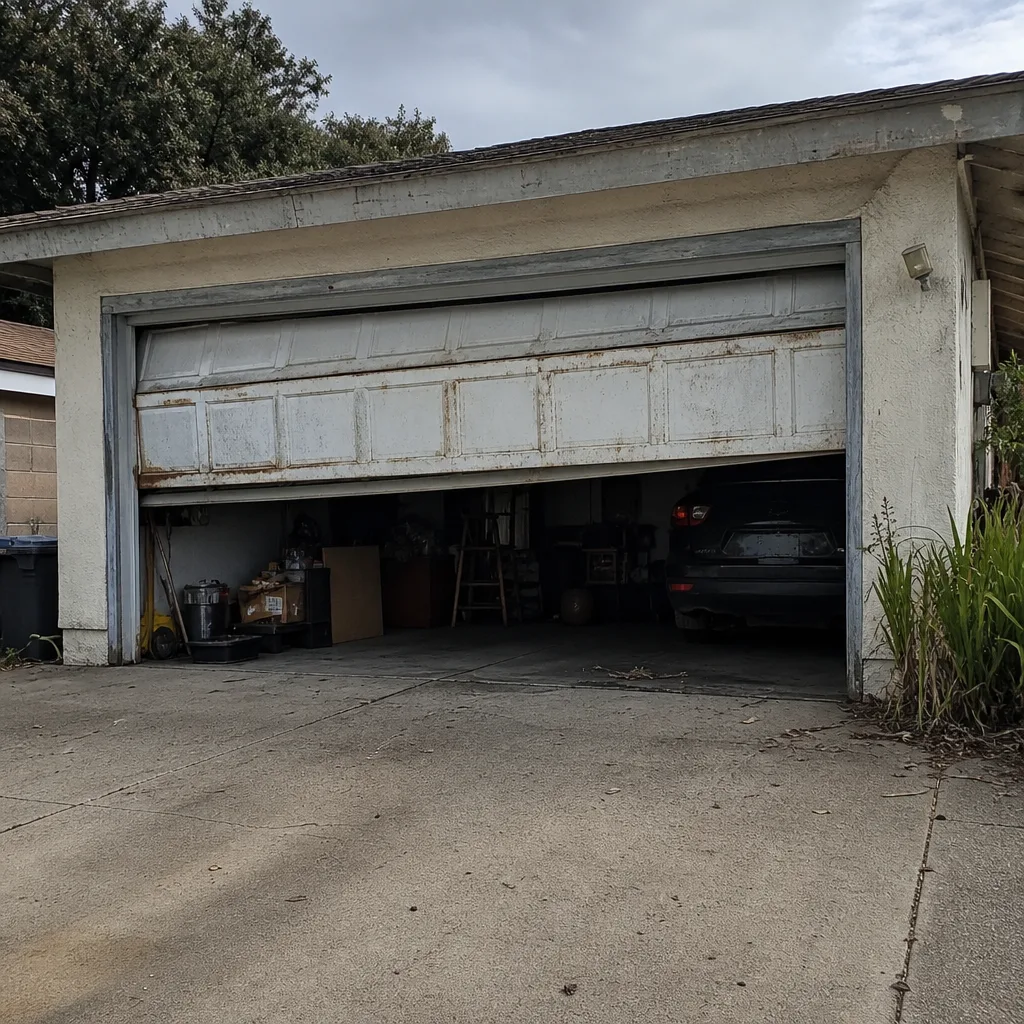 Before
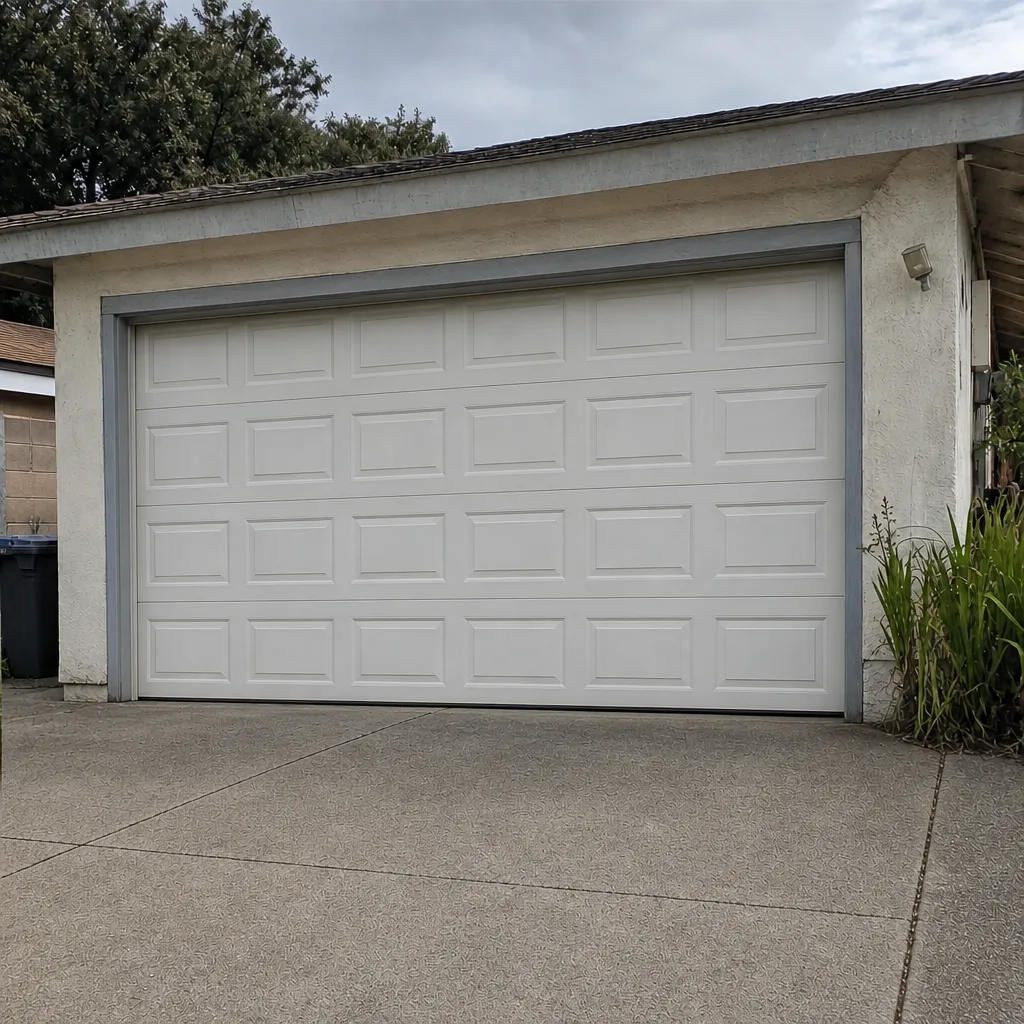 After
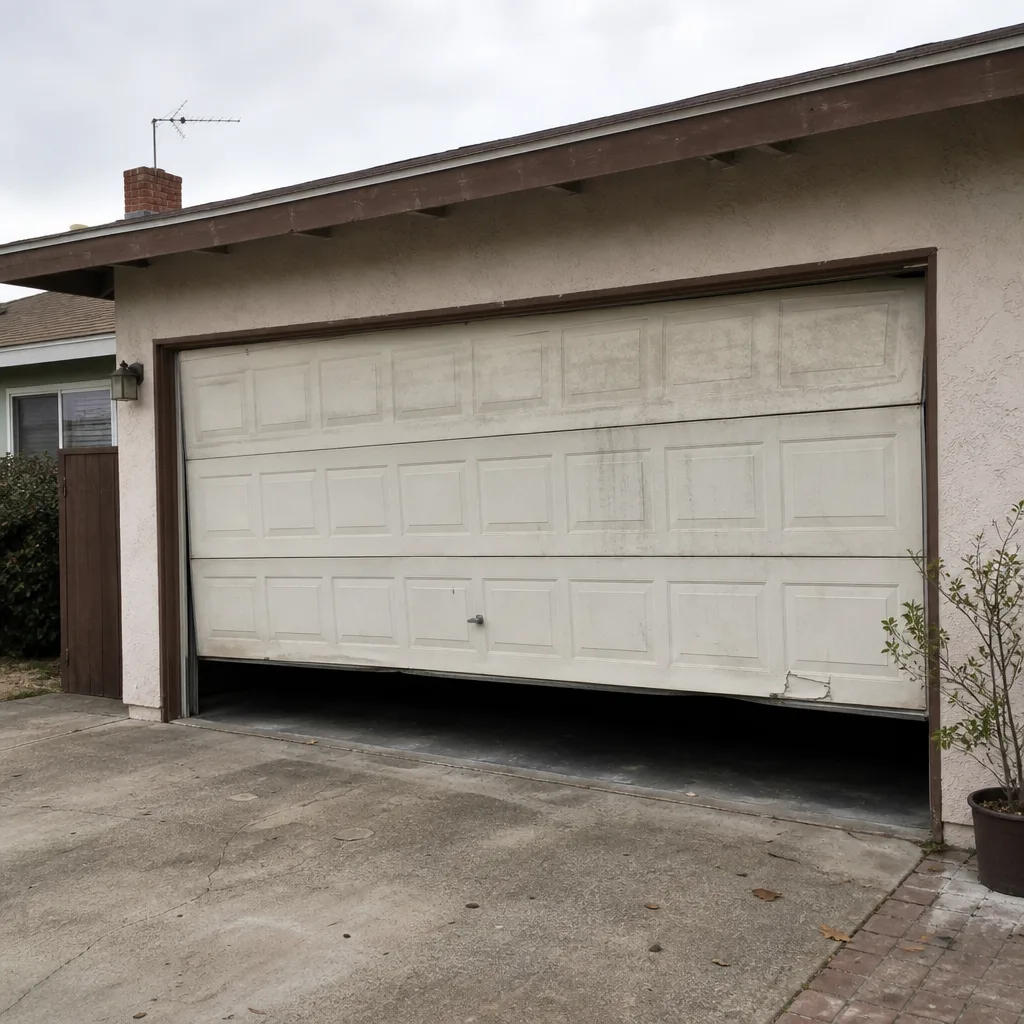 Before
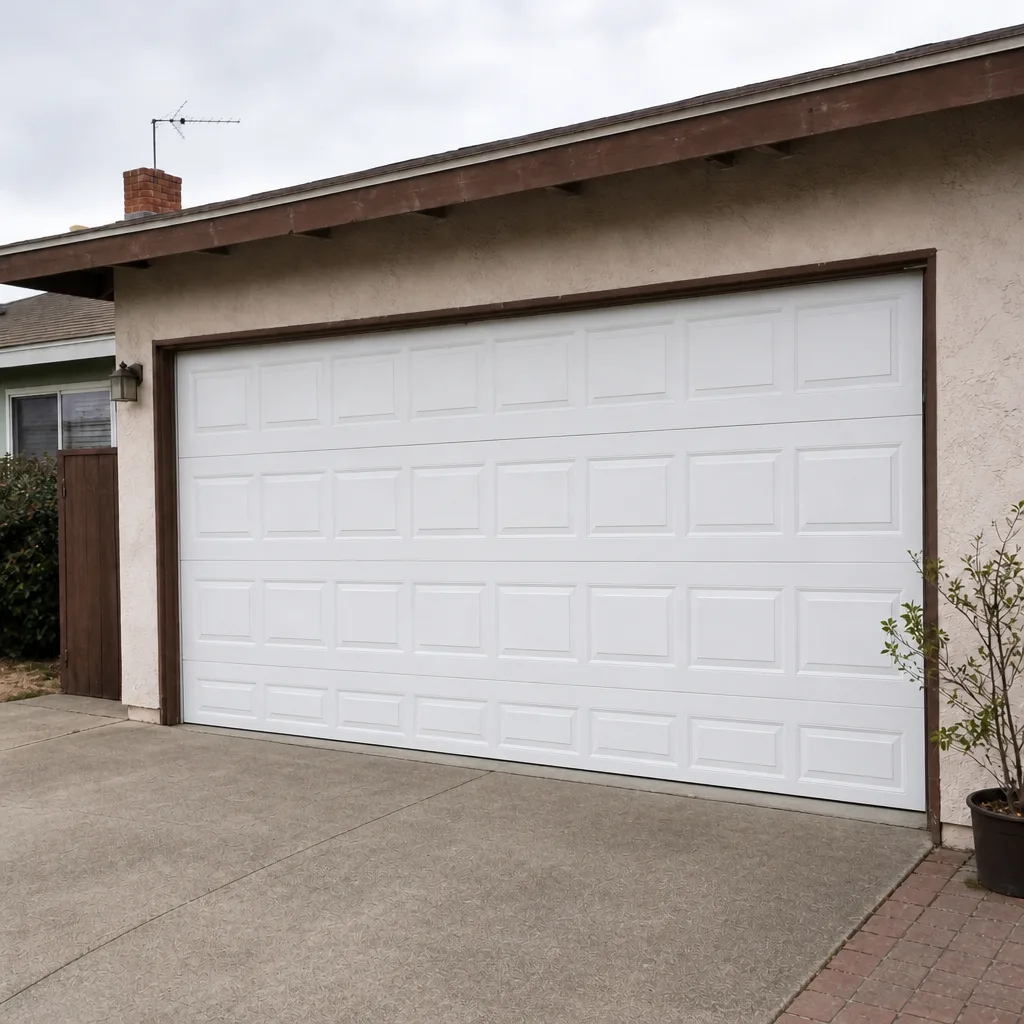 After
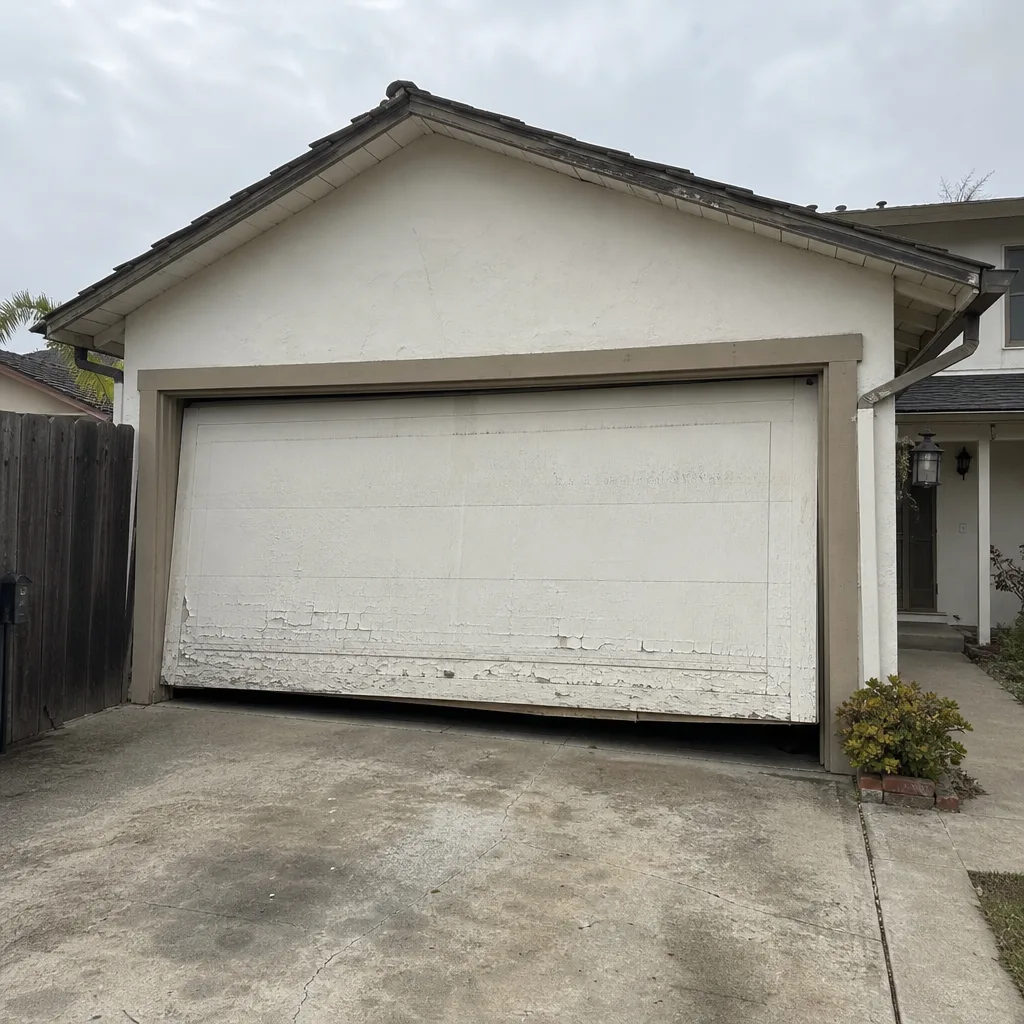 Before
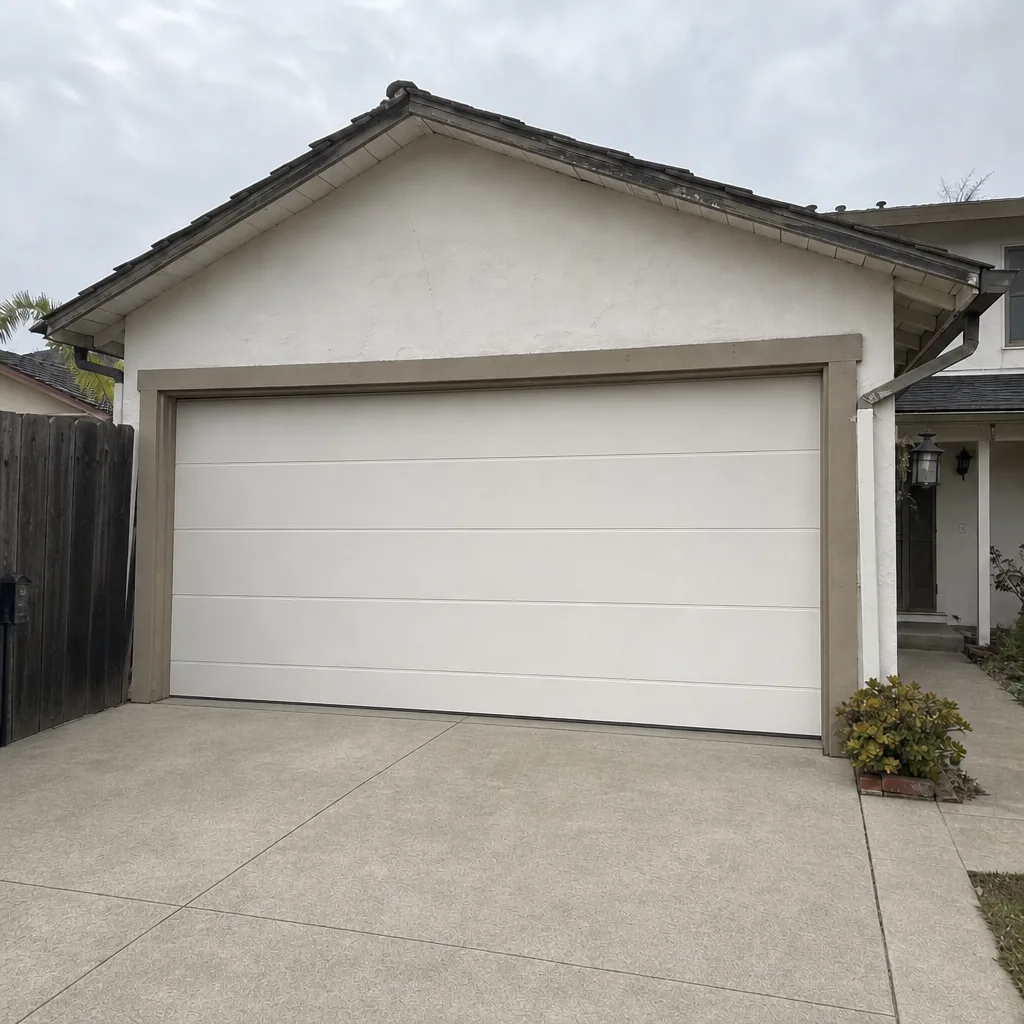 After
When to Call a Professional
Call a technician when a check turns up a problem on the “needs a technician” list: a spring with a visible gap or a stretched coil, a frayed or kinked cable, a bent track, or a door that won’t stay balanced. Call immediately if the door won’t open or close at all, if it drops when you let go of it, or if the safety sensors won’t stop the door when you pass an object through the beam. Those are the situations where a repair done wrong can hurt someone. Also call if a noise or a hesitation has been there for weeks and you can’t trace it; a technician sees doors every day and can usually identify the source in a few minutes. Sunridge Garage Door Repair offers free estimates in Ventura at (844) 685-4199. Our technicians have up to 15 years of experience, and we work on your brand, not a generic substitute.
Frequently Asked Questions
Homes within about a mile of the coast should do a quarterly visual check, and homes further inland can usually get by with a check twice a year or annually. The driver is humidity: coastal air accelerates corrosion on hinge pins, cable anchors, and brackets, which are the first parts to show wear. Call (844) 685-4199 for a free estimate if your check turns up a problem.
Yes, and you should. Use a garage-door-specific lubricant on the hinges, roller stems, and springs, not on the tracks. It’s one of the safest and most useful maintenance tasks a homeowner can do. If you’re not sure what to lubricate, we’re happy to walk through what’s safe when we’re out on a free estimate for any other concern.
Random reversing is most often a safety sensor or wiring problem, not a failing opener. Clean the sensor lenses, check that the sensors are aligned and pointed at each other, and look at the wiring terminals for corrosion. If the problem continues, it may be the logic board, which needs a technician. Call (844) 685-4199 for a free estimate on the diagnosis.
No. Torsion and extension springs are under high tension, and a mishandled spring can cause serious injury. Replacing a spring requires the right tools and the knowledge of how to release and rewind the tension safely. Leave it to a technician and never attempt to adjust spring tension on your own.
Your price is quoted and agreed before any work starts, so there are no surprises on the invoice. The written estimate sets the final price, and the estimate itself is free. If a technician finds something additional during the work, you’ll hear about it before anything is done. Call (844) 685-4199 to schedule an estimate.
We service all eight major brands in residential use: LiftMaster, Chamberlain, Genie, Clopay, Amarr, Wayne Dalton, Craftsman, and Raynor. That includes smart and motorized openers, which we treat as a specialty rather than a side note. Call (844) 685-4199 and we’ll schedule service for your system.
The Bottom Line
The sequence is the maintenance. Inspect springs and cables first, then hinges and hardware, then sensors, then balance, and lubricate last. Ventura’s humid air means the fasteners and hinge pins fail before the panels do, so check the hardware and check it more often if your home is close to the water. Quarterly for coastal homes, twice a year inland. Know the line between what you can safely do (lubrication, sensors, rollers, seals) and what needs a technician (springs, cables, brackets, logic boards). And when a check turns up something, call before it becomes an emergency. Sunridge Garage Door Repair is focused on garage doors only, which means every bit of our training goes into this one trade. Call (844) 685-4199 for a free estimate.
Written by the team at Sunridge Garage Door Repair.