
Last updated November 15, 2026
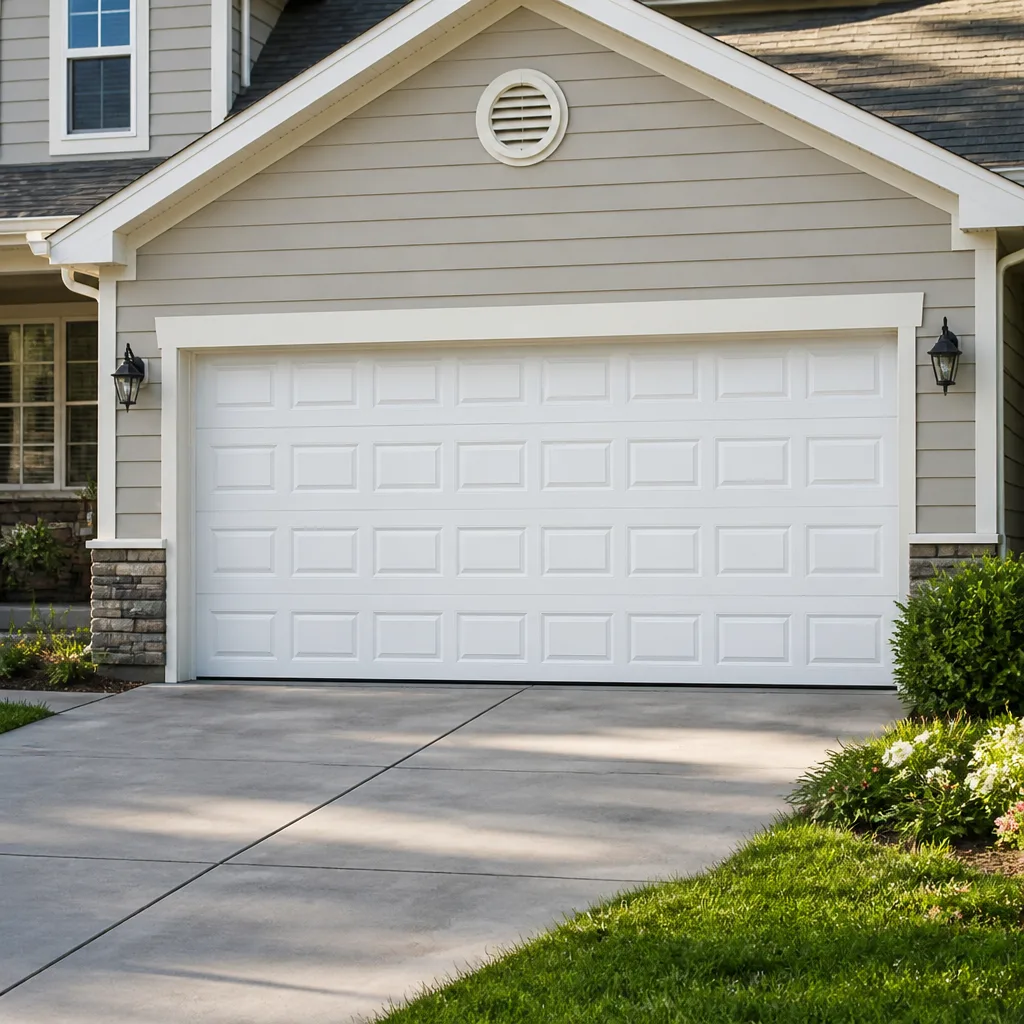 Raised-panel steel
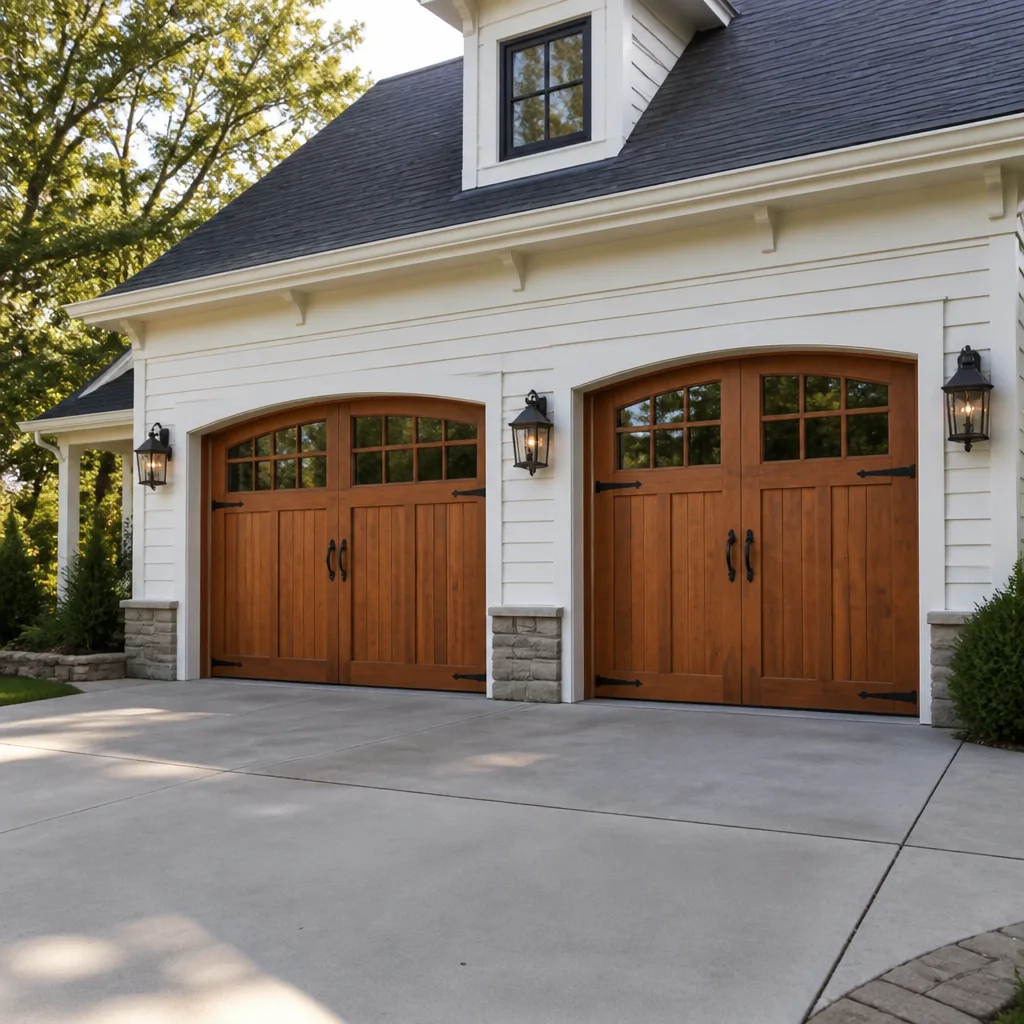 Carriage house
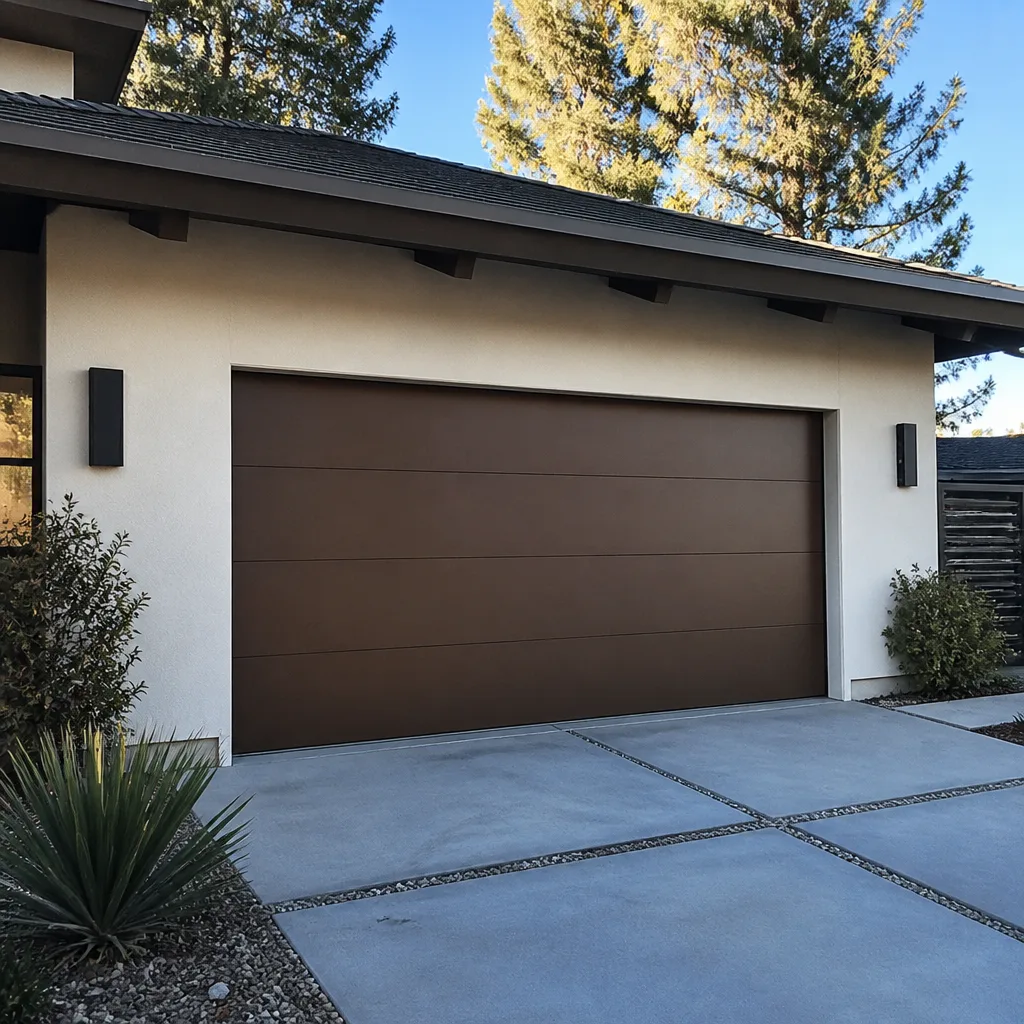 Modern flush
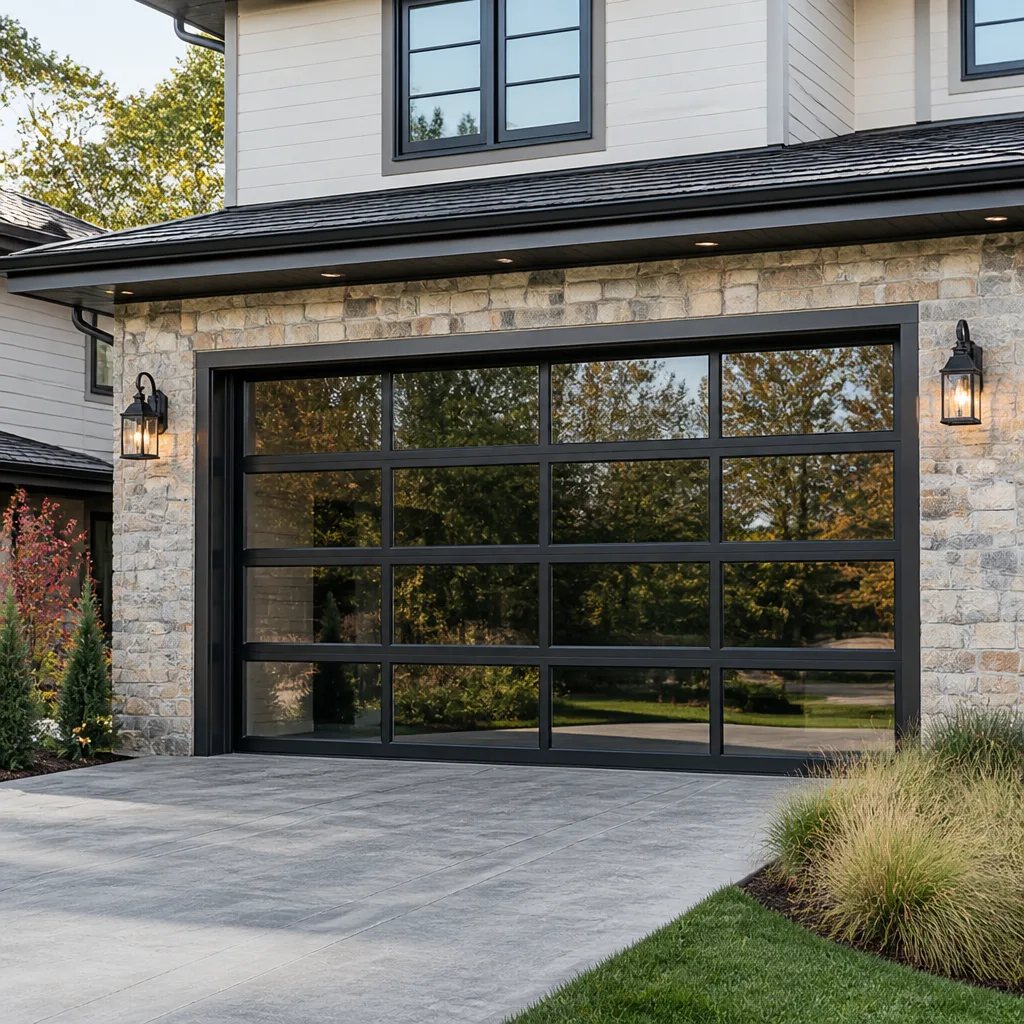 Full-view glass
 LiftMaster openers
 Chamberlain openers
Full 25-point door and opener safety check with every visit - springs, cables, rollers, tracks, and your LiftMaster or Chamberlain opener included
You get a price before we start. It does not change when the pro arrives.
Get your free estimateGarage Door Repair Troubleshooting in Ventura: Common Problems and How to Fix Them
The most expensive garage door repair is usually the one a homeowner started on the wrong part. A bent track doesn’t cause the rattle you’re hearing, but it will cause one after you’ve ignored what actually does. A door that reverses on its own isn’t a door problem at all; it’s a sensor, a spring, or a logic board sending the wrong signal. Our technicians have up to 15 years of experience diagnosing exactly this confusion across eight major brands, and this guide walks you through isolating which system is actually failing in a Ventura home before you touch anything, and knowing the exact point where troubleshooting should stop.
Quick Answer
Most garage door problems trace to one of five systems: springs, cables, tracks, safety sensors, or the opener itself. Your door won’t close, binds, sags, or makes noise because one of those five has failed, and identifying which one is the whole job of troubleshooting. If the door is stuck open, making a loud bang, or you see a broken coil above the door, stop and call a professional. Everything else is a matter of matching the symptom to the right system so your repair is the correct fix the first time.
Styles & brands we work with
- Raised-panel steel
- Carriage house
- Modern flush
- Full-view glass
- LiftMaster openers
- Chamberlain openers
Table of Contents
- A System-by-System Diagnostic Framework
- Spring Problems: The Bang, the Sag, and the Door That Won’t Lift
- Cable Issues: The Part Ventura Humidity Attacks
- Track and Roller Problems: Alignment and Grinding
- Safety Sensor Troubleshooting
- Opener Problems: When the Motor Is the Culprit
- Stop Here: Symptoms Where DIY Troubleshooting Ends
- One-Time Fix or Cumulative Wear?
- Brand-Specific Quirks That Look Identical
- Common Mistakes to Avoid
- When to Call a Professional
A System-by-System Diagnostic Framework
Garage doors look simple because they move in one direction. Underneath, five systems work in sequence: springs carry the door’s weight, cables link the springs to the door, tracks guide the door, safety sensors guard the closing path, and the opener supplies the push. When any one of them fails, the symptom often appears at a different part of the door, which is why so many homeowners misdiagnose the problem. Here’s how to think about it before you go looking.
- Listen first. A bang from the ceiling area points to a spring. A grinding or scraping sound points to tracks or rollers. Clicking that repeats without movement points to the opener.
- Look at the door’s position. A door that hangs halfway and refuses to lift usually points to a broken spring or a jumped cable. A door that closes at an angle points to a track or cable.
- Test the balance. Disconnect the opener, lift the door by hand to about waist height, and let go. A well-balanced door stays in place. A door that drops hard points to a spring failure.
- Check the sensors last. If the door opens but won’t close, and you hear the motor running, it’s usually a sensor, not a mechanical issue.
- Watch the opener lights. A flashing light, often on LiftMaster and Chamberlain units, will indicate a fault code that a technician can read exactly. More on this in the brand section.
This sequence narrows the problem to one system in most cases, and that narrows the repair cost considerably. A homeowner who calls with the right system identified usually gets a faster fix than one who reports “the door doesn’t work.” Our team serves every neighborhood from the Ventura hills to the east side, and the diagnostic process is the same in each.
Spring Problems: The Bang, the Sag, and the Door That Won’t Lift
A broken torsion spring announces itself with a loud bang that sounds like a gunshot, followed by a door that won’t lift at all. Extension springs, which run along the sides of the door, break with a lesser crash but snap back and can cause damage as they recoil. Either way, remember: springs are under high tension, and they are not a component for hands-on work by a homeowner. A broken spring can store thousands of pounds of force, and a wrong move causes serious injury. What you can do is diagnose confidently and call.
How to tell if a spring broke: look at the coil above the door and check for a visible gap. If the coil looks separated or has a clean break point, the spring is done. For extension springs, look for a long, loose coil hanging where a tight one used to be. A door that lifts a few inches and stops, or sags heavily on one side, often has the same cause.
Garage door repair on a broken spring typically costs $180 to $340 for one spring. A matched pair, which is usually replaced together when both springs are the same age, costs about twice that. The final price depends on the door’s size and spring type, and the written estimate sets it before any work begins. Whether you’re in Ventura or considering garage door repair for an older home nearby, the same rule applies: a spring repair is a same-day service on a standard job, and the fee should be agreed in advance.
One important distinction: a spring that breaks once may simply be worn out. A door that has already had one spring replaced and breaks the other within months is telling you the pair aged together and should have been matched. Repairing in pairs is usually cheaper over a few years than two separate service calls.
Cable Issues: The Part Ventura Humidity Attacks
Ventura’s mild coastal humidity does something most inland garage door guides leave out: it accelerates corrosion on the steel cables that link the springs to the door. Those cables are under tension too, and they’re usually inspected only when something breaks. A cable that has developed rust, fraying, or a sagging loop is a problem you can catch before a failure, but it’s not a part you should adjust yourself.
Signs that a cable needs attention:
- A visible kink, fray, or loop between the drum and the door
- A drum that looks off-center or has cable wound unevenly
- One side of the door traveling slightly ahead of the other
- A rust-colored streak down the length of the cable or on the springs nearby
- The door hanging noticeably low on one side
A door that has one cable issue is usually being pulled unevenly through the whole system, which adds load to the springs, rollers, and track on that side. Catch it early and you repair a cable. Let it go and you may be repairing all of it. This is the moment to stop and call. Cables are a high-tension component, and the fix involves controlled tension release, correct sizing, and proper rewinding. It’s a task for a trained technician, not a homeowner with a socket set.
If you’ve noticed any of these symptoms, our garage door opener repair and cable work is the same call. In our experience, cable failures are often the root of what looks like an opener problem, because the opener keeps pushing against a door the cables are holding back.
Track and Roller Problems: Alignment and Grinding
Tracks are the rails the door rolls along. They can bend, pull loose from the wall frame, or become misaligned when a door is struck by a vehicle or knocked during a move. Rollers wear, develop flat spots, or lose their nylon sleeves, which causes grinding or squealing. The good news is that tracks and rollers are the most homeowner-visible system and the easiest to describe accurately on the phone.
How to check tracks without touching anything:
- Stand back and look at the vertical rails on both sides. They should be straight and parallel.
- Watch the gap between the door and each rail as the door moves. An uneven gap on one side points to a bent or shifted track.
- Look for any track section that has pulled away from the wall frame at the bolts.
- Inspect rollers at the top corners for cracks, flat spots, or missing nylon sleeves.
- Listen during movement for grinding or scraping. A clean, well-lubricated door is quiet.
Small alignment corrections are the routine side of garage door repair, and inexpensive next to a spring or opener job. But a track that is bent enough to obstruct the door’s travel should not be straightened with a hammer by a homeowner. That’s how a bent track becomes a broken door panel. Our technicians carry the right tools to realign tracks and replace rollers without spreading the damage. If the door is in a Ventura home with older hardware, we’ll check the rollers at the same visit. Straightening and lubrication will not fix a door that is rolling on flat-spotted rollers no matter how many times you try.
Safety Sensor Troubleshooting
A door that opens fine but refuses to close, or closes partway and reverses, is usually not a door problem. That behavior points to safety sensors, the two small eyes mounted at floor level on each side of the door opening. They detect anything in the door’s path and reverse the door when the beam is broken. When they’re misaligned, dirty, or blocked, they do exactly what they’re designed to do: keep the door open.
What to check before calling anyone:
- Wipe both sensor lenses with a soft cloth. Dust and spider webs are the most common cause.
- Check that nothing is in the beam’s path: a shovel, a bike, boxes, a pet. A leaf or a trash bin edge can trip it.
- Look for a blinking LED on either sensor. A steady light on both sensors usually means alignment is fine.
- Gently check that the sensor bracket hasn’t been bumped or bent. Alignment can be knocked out in a single moment.
Sensor issues are the easiest garage door problem to misdiagnose, because the door looks and sounds completely healthy. If the lenses are clean and the path is clear, and one sensor has a blinking light, that sensor needs adjustment or replacement. That’s a call, not a project. Sensor placement and wiring run back to the opener, and the fix may involve the terminals and the logic board, not just the eye itself. If you’re not sure, the fastest answer is a quick call. A technician will tell you in minutes whether the sensors are the cause and what a repair costs.
Opener Problems: When the Motor Is the Culprit
The opener is the system homeowners blame first and diagnose last. But when the door is balanced, the springs are intact, the cables are fine, and the sensors are clear, the opener is next in line. Symptoms that point to the opener include:
- The motor hums or clicks and the door doesn’t move at all
- The door moves a few inches and stops, or reverses in both directions
- The light flashes on the opener housing in a repeating pattern
- The wall switch works but the remote doesn’t, or the reverse is true
- The opener runs but the door only travels partway before stopping
Each symptom points to a different part of the opener: the drive gear, the travel limits, the logic board, the battery in the remote, or the safety reverse force setting. A flashing light pattern is a code, and a technician can read it off the unit and know which part is failing. One of the most common misreads is confusing a safety reverse problem with a limit switch problem, because they can produce identical behavior.
An opener repair is one of the three core services we provide, and it’s where brand knowledge matters most. When the opener is the issue on a Craftsman or Raynor system, the parts and the diagnostic procedure differ from a LiftMaster unit, even though the doors look alike. That means diagnostics based on the exact system installed, not a generic guess. Opener replacement, when it’s needed, is a separate conversation that a technician can have with you clearly, without a hard sell.
Stop Here: Symptoms Where DIY Troubleshooting Ends
Some symptoms should end the troubleshooting process immediately. This isn’t caution for its own sake. Garage doors carry enormous tension and weight, and certain parts can cause serious injury even when they look safe. If any of these apply, stop and call a technician:
- A visible break in the torsion spring coil or a gap in the spring. A sprung door is carrying the full weight of the door, and the spring is under tension.
- A door that has fallen or hangs unsupported on one side. The cable or spring on that side has failed, and the door could drop the rest of the way.
- Frayed or kinked cables. A cable under tension can snap suddenly.
- A door that reverses or moves erratically while a person is in its path. Don’t test it repeatedly; the safety reverse is a last-resort protection, not a toy.
- Any part of the door that comes loose above head height. Panels, hinges, and brackets can hit a person standing under the door.
- A garage door that will not close at all after dark with no obvious sensor issue. This becomes a security problem, not just a repair. Call and get the door secured properly.
And one rule regardless: don’t reach under the door to adjust anything while the door is in motion, and don’t try to slow a falling door with your hands. If a technician needs to be called, waiting is safer than a workaround for safety-critical garage door repairs. Sunridge Garage Door Repair will walk you through the right steps on the phone, and dispatch when needed.
One-Time Fix or Cumulative Wear?
A single fault is a repair. The same fault happening a second time in a short span is a symptom of cumulative wear. This is the distinction most homeowners miss, and the one that saves money or wastes it. A broken spring is a clear one-time failure if the door is otherwise balanced. A door that breaks a spring, gets repaired, and then binds or overruns its limits a few months later is telling you the whole mechanism is aging together.
Signs that a problem is cumulative wear, not one-time:
- The same component fails twice within a year or two.
- Rollers, hinges, and springs are all showing wear at the same time.
- The door is noisier even after routine lubrication.
- The opener has started to work harder than usual on the same door.
When this pattern shows up, the question shifts from “what’s broken?” to “what should we replace as a set?” Not as an upsell, but because replacing a wearing part in isolation while its paired part is equally worn just schedules the next repair sooner. Our job is to be honest about which category your problem is in. Sometimes the right answer is one spring and a lubrication service. Sometimes it’s a spring pair, new rollers, and a look at the opener’s drive gear. Both are on the table. The difference is what prevents the next call.
Brand-Specific Quirks That Look Identical
Two different garage door problems can look identical. A door that closes partway and reverses will do so on many brands, but the cause is not the same across the board. Our technicians work on LiftMaster, Chamberlain, Genie, Clopay, Amarr, Wayne Dalton, Craftsman, and Raynor equipment, and we’ve learned to check the brand and model before the first screwdriver comes out.
A common misread: on a LiftMaster system, the safety reverse is often the issue, and the fix involves checking the sensor alignment and the reverse force setting. On a Chamberlain system, the same symptom is often a logic board fault reporting through the opener light, or incorrect travel limits from a memory error. They look the same from the outside. The fix is not. A homeowner who’s searched an inland forum for “door reverses” can end up repairing the wrong part entirely, or replacing a sensor when the board is the problem. On a Craftsman or Raynor unit, the reverse can also trace to the travel limit switches, which is a different set of diagnostic steps again.
That’s why a photo of the opener’s brand and model plate on the back of the unit helps before the call. It lets us bring the right parts and run the right diagnostic path when we arrive. Brand-fluent diagnosis keeps the job on schedule the first time.
Common Mistakes to Avoid
- Assuming a no-close problem is a closed-door problem. In Ventura homes, the most common cause is a sensor that’s been knocked out of alignment by a bike or a bin, not a failing door. Check sensors before anything else.
- Replacing the sensor when the opener is at fault. A blinking sensor and a logic board error look the same to a homeowner. A quick brand check saves the cost of replacing a part that wasn’t the problem.
- Trying to fix a broken spring. This is the most dangerous mistake on the list. Springs carry extreme tension. No homeowner repair belongs here.
- Lubricating the track. It seems logical, but lubricant on the track collects dust and makes rollers slide instead of roll. Lubricate the rollers and hinges, not the rails.
- Ignoring a second failure. A repeat issue means wear, not bad luck. Repairing the same symptom repeatedly without addressing the paired parts is how repairs add up.
- Straightening a bent track with a hammer. A bent track is a controlled replacement or alignment job. Hammering it back bends the door panel instead.
- Adjusting the opener’s force settings to force a door closed. That force setting exists to protect people. Turning it up to overcome a mechanical fault removes the safety protection.
When to Call a Professional
Call a professional when the problem involves a spring, a cable, a falling door, or an opener fault that you can’t read. Call when the door has failed twice on the same symptom, or when a repair you tried has made the movement worse. Call when the door won’t close and the sensors are clean, because the fix likely involves wiring or the logic board. And call when you’re uncertain, because a five-minute phone call with a specialist is cheaper than any wrong part.
Sunridge Garage Door Repair offers free estimates in Ventura. Our technicians have up to 15 years of experience with every major brand, and our focus is getting your door back in service with the right fix for your system. Call (844) 685-4199. We answer 24/7. Fast dispatch from 7am to 7pm, Sunday through Friday. Our team connects you with independent local professionals who do the work.
See the difference
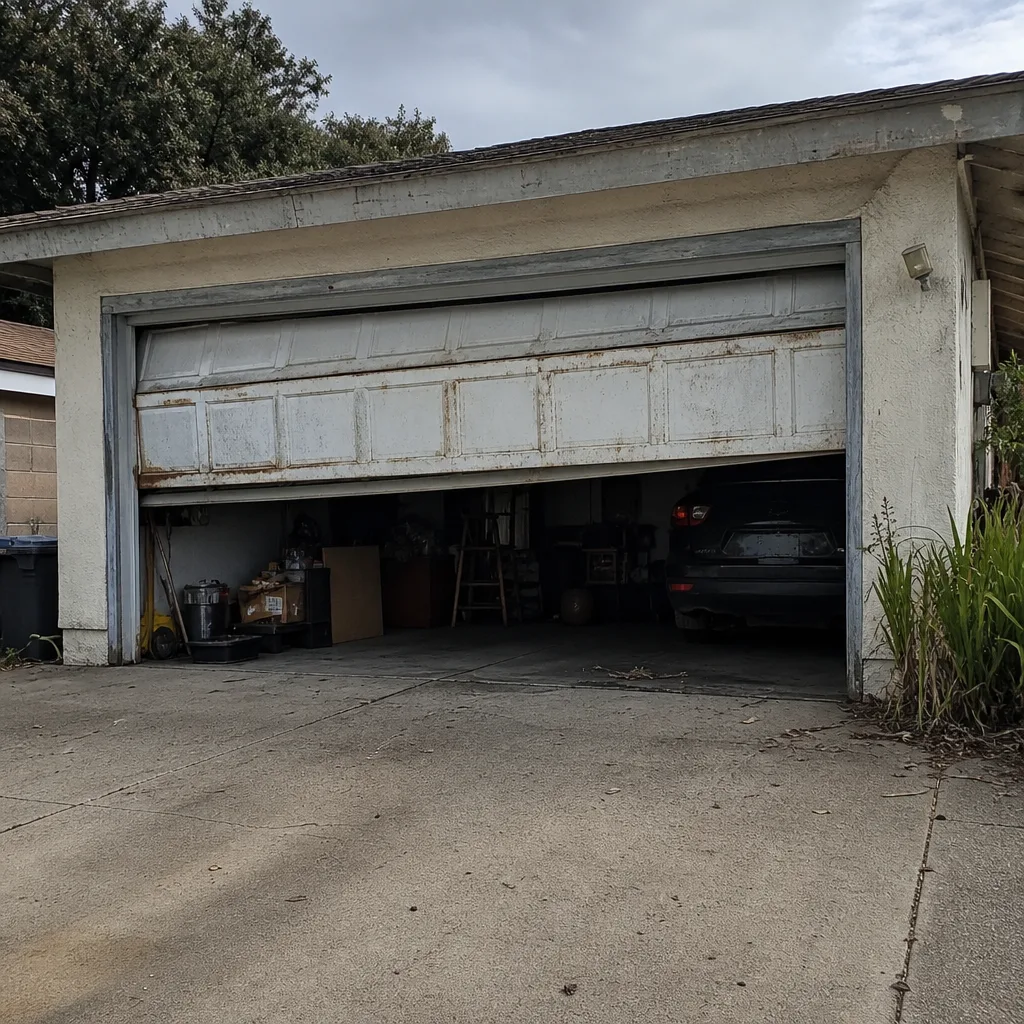 Before
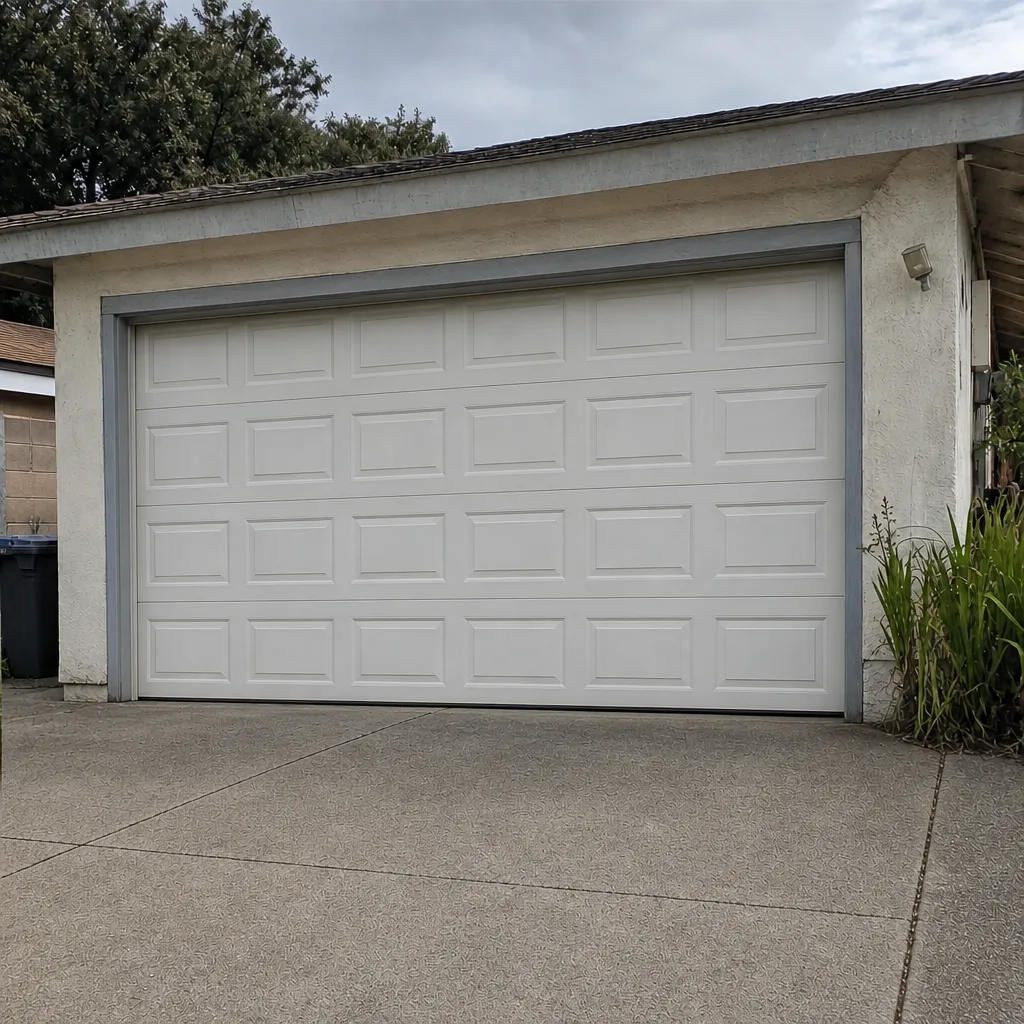 After
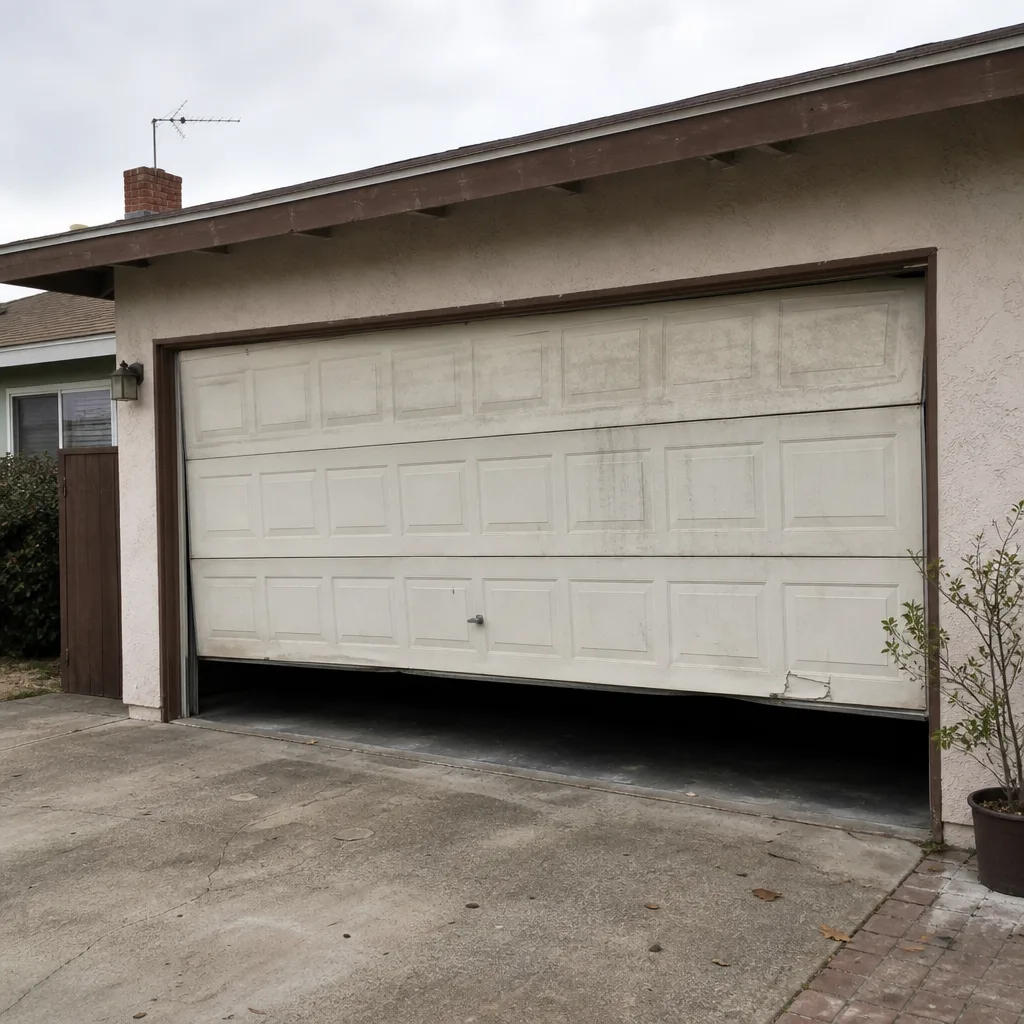 Before
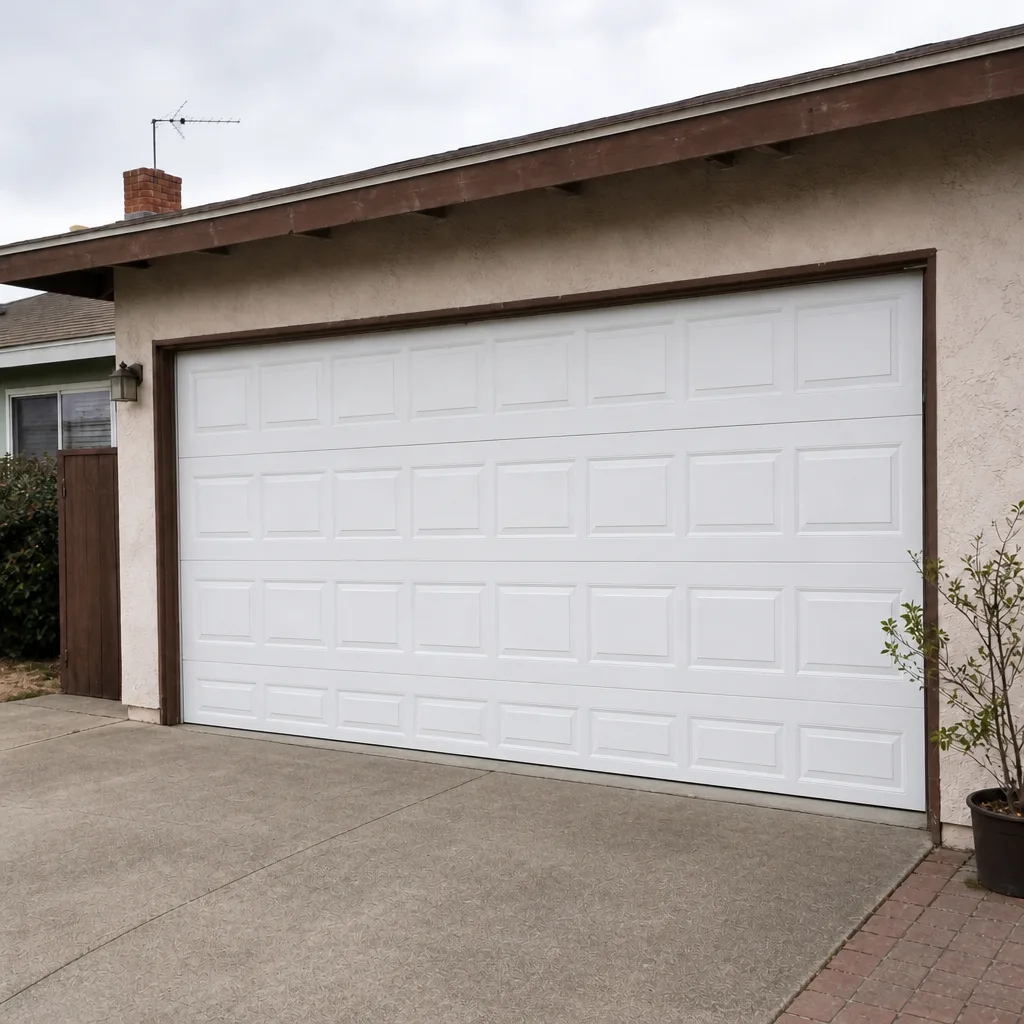 After
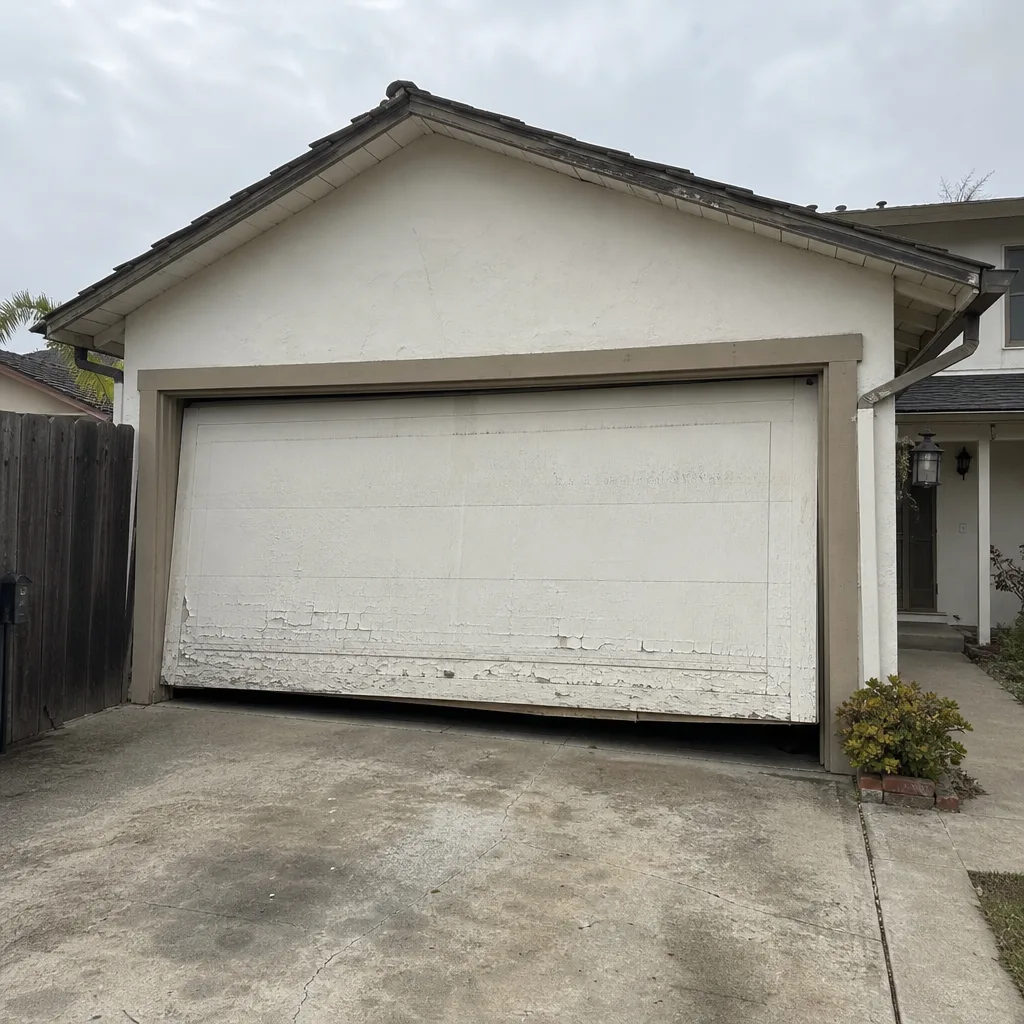 Before
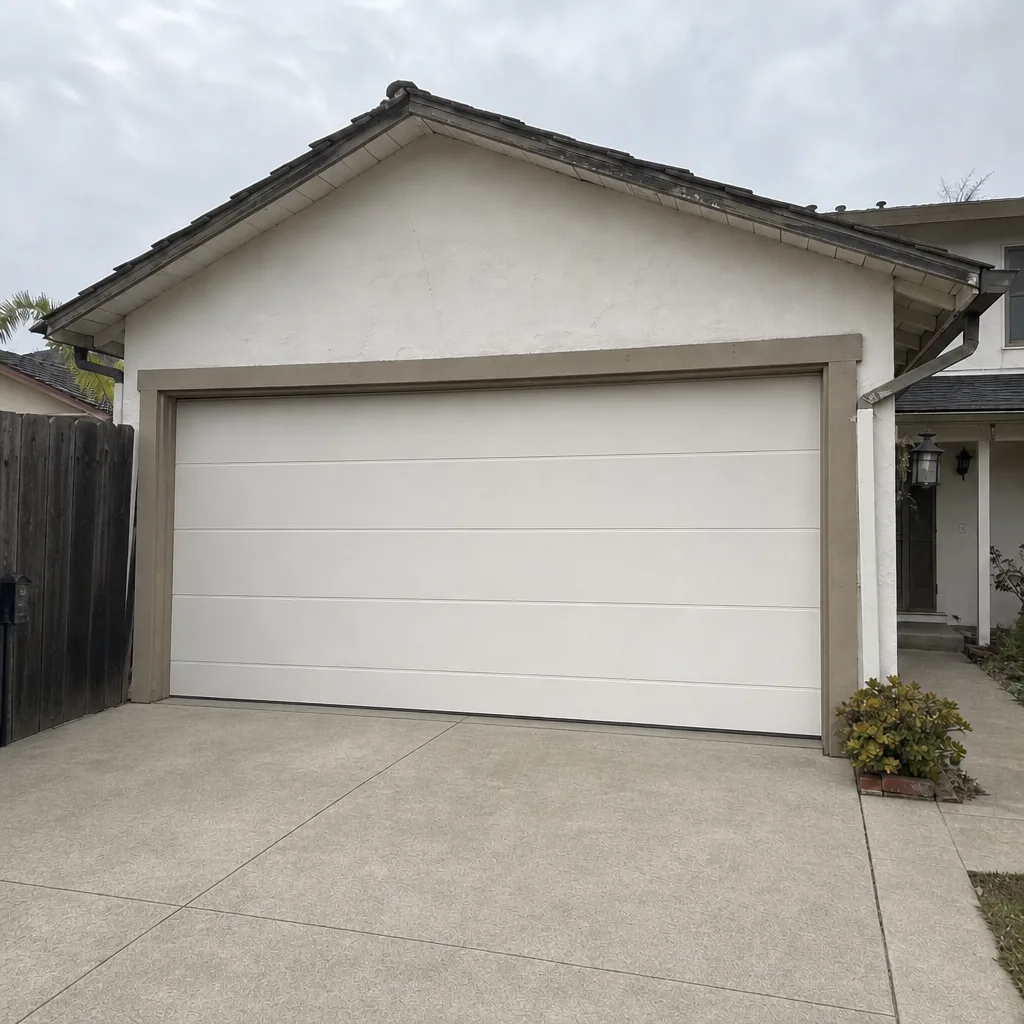 After
Frequently Asked Questions
If the door won’t lift at all and you hear a bang when it fails, it’s usually the spring. If the motor runs, the light flashes, or the door moves a few inches and reverses, the opener or sensors are usually involved. Disconnect the opener and lift the door by hand; if it feels extremely heavy, the springs are not carrying the weight and need to be checked. Call (844) 685-4199 for an exact quote on either repair.
A repeat failure within a few months usually means the paired part is equally worn, not that the repair was done wrong. A door that breaks a second spring or starts binding after a spring fix is telling you the springs were aged as a pair or the rollers are worn. Ask the technician to inspect the full system at the first repair to avoid the second call.
Spring repair for one spring typically runs $180 to $340, and a matched pair costs about twice that. Track and roller work and sensor adjustment are usually less; opener repair depends on the part involved. The written estimate sets the price before any work starts, and the estimate is free. Call (844) 685-4199 for an exact quote.
No. The range over the phone is an estimate, and the written quote is the final price. If the technician finds a different problem than expected, you get a revised quote before any work continues. Nothing is done without your approval. Call (844) 685-4199 to get the estimate started.
This is usually one of three things in a Ventura home: a dirty or misaligned safety sensor, a safety reverse force setting, or a logic board fault. Wipe the sensor lenses and check for a blinking light first. If the sensors are clean and the door still reverses, the opener is the likely cause and a technician should read the fault code for the brand. Call (844) 685-4199 to schedule a diagnostic.
A single part failing on an otherwise quiet, balanced door is a one-time fix. The same component failing twice, or several parts showing wear at once, points to cumulative wear. That’s when replacing the paired parts together saves money over two separate repairs. A technician can explain which category a repair fits into.
The Bottom Line
The fastest path to a working garage door in Ventura is matching the symptom to the right system, not guessing at the part. Springs, cables, tracks, sensors, and the opener each fail differently, and the symptoms overlap enough to fool even careful homeowners. Stop before anything on the spring or cable side, because high tension makes those parts a professional job. Check sensors first for any door that won’t close. Watch for repeat failures, which signal wear rather than bad luck. And when you call, know the brand: it changes the diagnostic path. Call (844) 685-4199. We answer 24/7. Fast dispatch from 7am to 7pm, Sunday through Friday.
Written by the team at Sunridge Garage Door Repair.