
Last updated November 15, 2026
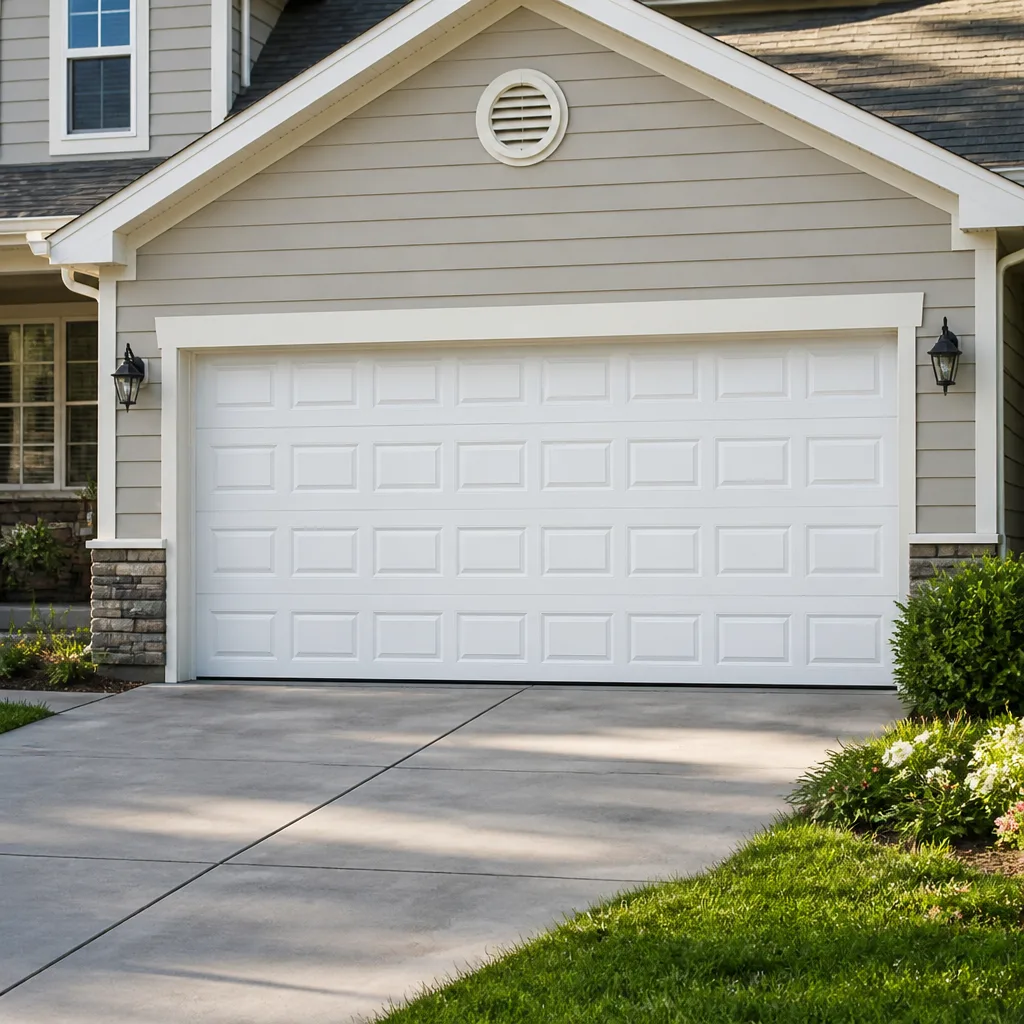 Raised-panel steel
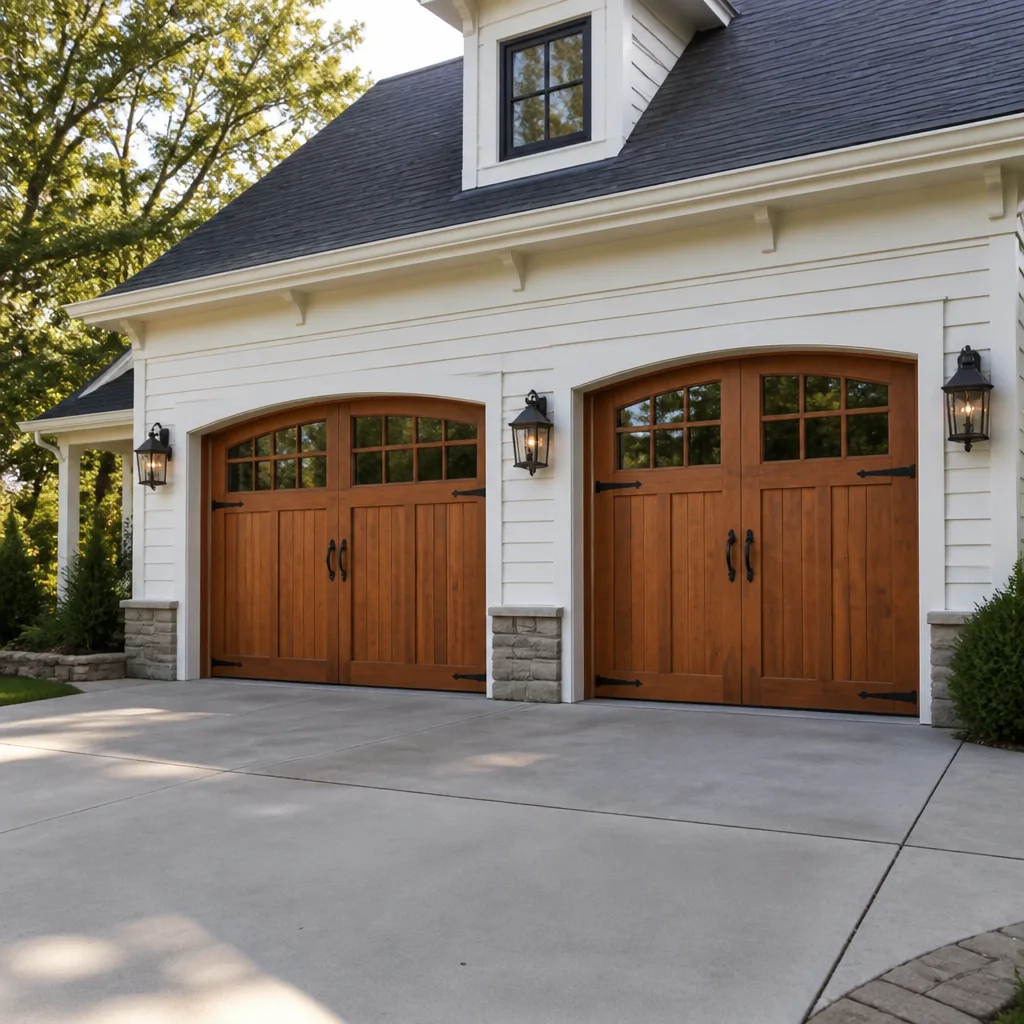 Carriage house
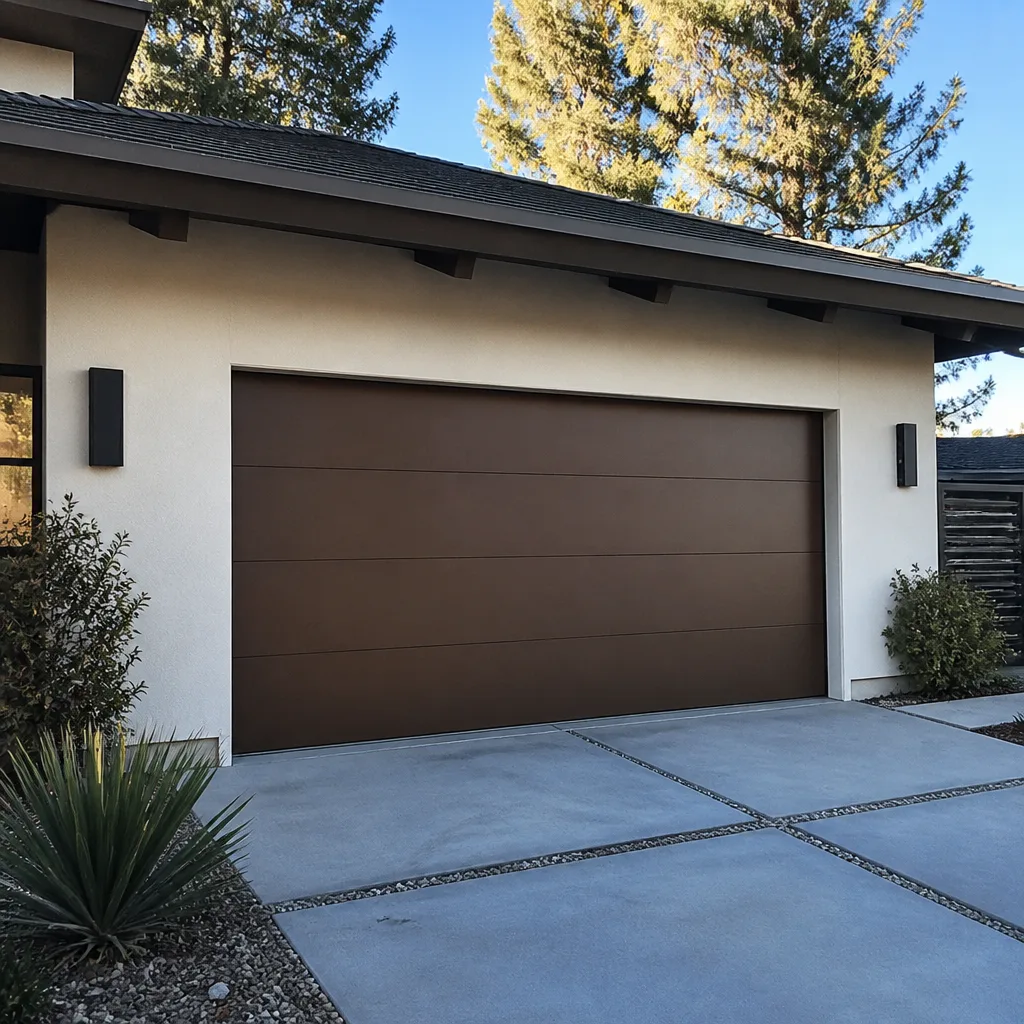 Modern flush
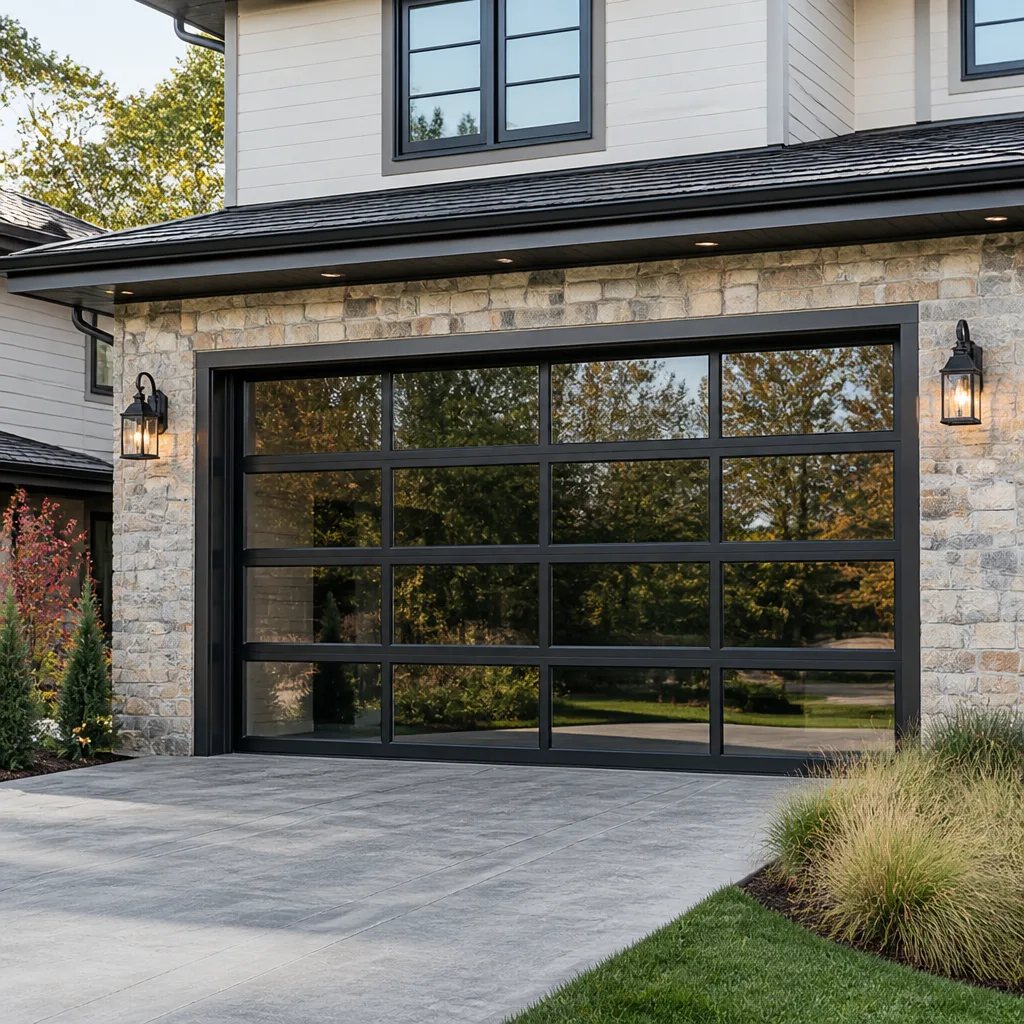 Full-view glass
 LiftMaster openers
 Chamberlain openers
Full 25-point door and opener safety check with every visit - springs, cables, rollers, tracks, and your LiftMaster or Chamberlain opener included
You get a price before we start. It does not change when the pro arrives.
Get your free estimateGarage Door Permits, Codes & Inspections in Ventura, CA: What You Need to Know
Most homeowners assume a garage door swap is like replacing a light fixture: pull the old one, bolt on the new one, done. Here’s the part that catches people off guard. A garage door is the largest moving structural element of your house, and in California it’s treated that way by the building code. Wind-load ratings, seismic bracing, and energy provisions all apply to what hangs over that opening. This guide walks through when a permit is actually required in Ventura, what Title 24 and local ordinances ask for in plain language, why wind-load ratings differ across the county, and what happens if unpermitted work surfaces when you sell. We’ll keep the code talk readable, not bureaucratic.
Quick Answer
In Ventura, a full garage door replacement or any change to the opening, springs, or mounting almost always requires a building permit, while minor repairs to existing hardware generally do not. California’s Title 24 energy rules and local wind-load and seismic bracing requirements apply to the new door and opener, so an inspector will check that the door matches the rated product specified in your permit. Repairing or replacing a worn part on a door that already meets code is usually a straight service call with no permit involved.
Styles & brands we work with
- Raised-panel steel
- Carriage house
- Modern flush
- Full-view glass
- LiftMaster openers
- Chamberlain openers
Table of Contents
- When Is a Garage Door Permit Required in Ventura?
- Title 24 and Ventura’s Local Ordinances, Explained Simply
- Wind-Load Ratings: Why Coastal Ventura Differs From Inland
- Seismic Bracing for Openers: A California-Specific Requirement
- What Happens During a Garage Door Inspection?
- Selling a Home With Unpermitted Work in Ventura
- Repair vs. Replace: Which Path Needs Paperwork?
- How to Verify a Contractor and Your Own Permits
When Is a Garage Door Permit Required in Ventura?
A permit is required when you replace an entire garage door and its track or any structural component that the code considers part of the building envelope. It also applies when you enlarge the opening, change the door type (say, from a solid door to one with windows), or install an opener that wasn’t previously permitted in your home. The reason is simple: the door’s wind rating and seismic anchoring are part of what keeps the house safe in high-wind events, and the city wants a paper trail that the installed product matches the rated design.
Here’s the “like-for-like” misunderstanding that trips people up. Some homeowners believe that putting the same size and color door back on the same opening is exempt from permits. That’s usually not the case in Ventura. A “like-for-like” door may still need a permit because the replacement door’s wind-load rating has to match the current code, which may have shifted since the original home was built. A door installed in the 1980s likely wasn’t rated to today’s standards, so putting an identical unit back is effectively installing an under-rated door.
What usually does not require a permit:
- Replacing a torsion or extension spring on a door that already meets code.
- Swapping a broken opener motor for a compatible unit on an existing rail and bracket.
- Adjusting tracks, rollers, hinges, or weather seals.
- Replacing a remote, keypad, or wall control.
- Routine maintenance and lubrication.
What almost always does:
- Full door replacement, including the tracks and mounting.
- Installing a new opener where none existed.
- Adding windows or changing the door’s wind-rated profile.
- Widening or heightening the opening.
- Converting a manual door to motorized.
If you’re unsure, ask the city of Ventura’s building department before ordering the door. That one phone call can save a lot of backtracking later. When we scope a garage door repair job, we’re upfront about whether the work crosses into permit territory, and we don’t start until the homeowner understands which side of that line they’re on. Our technicians have up to 15 years of experience reading these situations, but the final say is always the city’s.
Title 24 and Ventura’s Local Ordinances, Explained Simply
Title 24 is California’s energy code, and yes, it touches garage doors. For a conditioned garage (one that shares walls or ceiling with living space), the code can require insulation values on the door, sealing around the perimeter, and sometimes weatherstripping upgrades on the opening itself. In practice, a door going into a heated-garage-adjacent wall needs a rated product, and the permit application reflects that. An unheated, detached, or unconditioned garage typically has less strict requirements, but the door still needs to satisfy the structural and safety provisions of the code.
Local Ventura ordinances sit on top of Title 24. In residential zones, a permit for a garage door replacement is generally handled through the city’s building division, and the application asks for the door’s specifications, the installer’s information, and, in some cases, a short description of the seismic and wind provisions. Because Ventura includes both older neighborhoods near downtown and newer tracts on the east side, the requirements can vary block to block based on when your house was built. A pre-1980 home may require an engineer’s letter if the opening’s framing doesn’t match current prescriptive standards.
What the code actually asks of the door, in plain terms:
- The door must be a rated assembly. The product you install has to be labeled at the wind speed the code specifies for your address.
- The tracks and hinges must be anchored per the manufacturer’s instructions. That means the right fasteners into the right structural members, not lag bolts into drywall or siding.
- Openers must have the required reversing and entrapment protection. Photoelectric sensors and a reversing mechanism are not optional.
- Sealing and insulation follow Title 24 for conditioned garages. Weatherstripping and insulated panels matter.
- The permit inspection happens before full finish. Don’t bury hardware or panel seams before the inspector has a look.
We’ve seen doors specified with the right wind rating but installed with hardware that wasn’t rated for the same load. That’s a classic inspection fail. When we install a Clopay or LiftMaster product, we match the door system and the opening hardware to what the permit calls for, because it’s the assembly, not just the door, that has to pass.
Wind-Load Ratings: Why Coastal Ventura Differs From Inland
Wind-load ratings on garage doors exist because a garage door presents a large, flat, unbroken surface to the wind. When a Santa Ana wind event builds, that surface becomes a sail. If the door’s rated capacity is below the local demand, it can buckle inward or blow out, and either failure can take out the framing around it. California’s building code maps wind demand by geography, and Ventura County has real variety within its own boundaries.
Homes close to the coast and on exposed ridges and hilltops generally fall into a higher wind-demand category than homes tucked into inland valleys or sheltered neighborhoods. That’s not a judgment about the door brands, it’s just how the code’s wind map reads. A door that’s fully legal on a protected inland lot may not meet the demand on a coastal-facing wall. And “coastal” doesn’t just mean waterfront. The wind exposure maps to terrain and elevation, so a home on a Ventura hillside with an unobstructed run to the ocean can carry a higher wind demand than a home two streets inland.
What this means when you’re choosing a door:
- Get the demand number first, then pick the door. Your building department can tell you the wind speed the code requires at your address.
- Match the door’s rating to that number or above. Never below.
- Ask for the manufacturer’s rating documentation. It should list the rated wind speed for your specific model and size.
- Don’t assume bigger windows mean lower ratings. Glazed doors are separately rated and often require reinforced sections on the higher-demand lots.
- Reinforcement kits are rated too. A door that meets the number only with a strut or reinforcement package needs that package in the permit and on the door.
The same logic applies to your opener’s mounting. An opener rated to handle a door that’s within its lifting range still needs its rail and bracket bolted into solid framing. A heavier door on a light opener is a common mismatch we correct on garage door opener repair calls, and it’s exactly the kind of thing a Ventura inspector will ask about if the opener is part of the permitted scope.
Seismic Bracing for Openers: A California-Specific Requirement
Here’s a requirement most out-of-state installers miss. In California, garage door openers mounted overhead have to be braced against seismic movement. The opener’s rail, the motor unit, and the mounting bracket that hangs the whole assembly from the ceiling all need to resist the lateral and vertical forces an earthquake sends through the structure. That means the opener doesn’t hang from a few screws in the sheetrock. It hangs from a properly anchored bracket with struts tying the motor to the framing.
In practice, seismic bracing for an opener means:
- The motor hanger is bolted into joists or blocking. Not into drywall, not into a hollow metal panel.
- Struts run from the motor to the joists on both sides. This resists side-to-side sway.
- The rail is supported at multiple points. A long rail that’s supported only at the motor and the header is vulnerable to sag or flex.
- The door’s own track is anchored per the door manufacturer’s requirements. The two systems have to work together.
- Photoelectric sensors are positioned and aligned so movement doesn’t dislodge them. That’s both a code requirement and a safety one.
We see this come up most often when a homeowner has had a new opener installed by a general contractor or a friend-of-a-friend, and the opener is hanging from the original builder’s framing without the extra struts. It looks fine for years, then a moderate shake shifts the alignment, and the door starts binding on one side. If your opener is from a brand we work with, like Chamberlain or Genie, we can check whether the mounting meets the seismic requirement without swapping anything else. If the opener is from another brand, the same check still applies.
This matters especially in Ventura, where the housing stock includes both older construction that predates modern seismic bracing and newer homes where the structure is stiffer and the loads transfer differently. The requirement isn’t about making your install more expensive. It’s about ensuring the opener stays where it’s supposed to be when the ground moves. A trained technician can tell quickly whether the mount is compliant, and the difference between “meets code” and “needs correction” is usually a small amount of extra hardware and an hour of labor.
What Happens During a Garage Door Inspection?
An inspection is a scheduled visit by the city’s building inspector after the work is complete (or at a defined stage). For a garage door replacement, you should expect a single visit covering the door and, if applicable, the opener. The inspector is checking that what’s installed matches what was permitted and that it meets the code provisions for your address. It’s usually a professional, quick visit, but it’s also the point where a noncompliant install gets written up.
Here’s the order of operations that keeps things on track:
- Permit is issued before any work starts. The permit specifies the door model, wind rating, installation method, and opener scope.
- Door and opener go in per the approved specs. If a substitution is needed, the permit is revised before the new product goes up. Not after.
- Final inspection is scheduled. The inspector reviews the door’s anchoring, the opener’s seismic bracing, and the safety features.
- Correction items get fixed and re-inspected. Most items are minor (a fastener, a label, a sensor alignment) but they have to be corrected before the permit closes.
- Permit is signed off and closed. Keep the paperwork. You’ll want it when you sell.
What the inspector actually looks at:
- The door’s rating label or documentation, matched to the permit.
- Track and hinge anchoring into structural members.
- Opener mounting, including seismic struts and hanger attachment.
- Photoelectric sensors and the reversing test.
- The manual release and its accessibility.
- Title 24 sealing and insulation on conditioned garages.
If the inspector flags something, it’s usually a fastener or a missing label rather than a structural problem. Getting it right the first time is mostly a matter of buying the right rated product and following the manufacturer’s install instructions, which is what we do on every install we’re part of in Ventura.
Selling a Home With Unpermitted Work in Ventura
Unpermitted garage door work is one of the more common finds during a Ventura home sale, because it’s easy to do (and easy to have done) without pulling a permit. The consequence usually isn’t a surprise to us, but it does surprise sellers. When a buyer’s inspector notes a recently replaced door with no permit on record, the transaction can slow down or get renegotiated while the seller works through the correction process. That correction is not always quick, and it rarely costs the seller nothing.
What the correction process typically involves:
- A retroactive permit application to the city of Ventura’s building department.
- Documentation of the installed door’s rating and the opener’s bracing (sometimes an engineer’s letter or a manufacturer’s specification sheet).
- An inspection visit to verify the installation, with possible corrections.
- A fee for the retroactive permit, which is assessed by the city.
- Time, if the correction holds up closing or requires a re-inspection.
The seller isn’t the only one affected. Buyers often negotiate a credit or a hold-back until the permit is closed, and the credit is usually more than the permit would have cost to pull in the first place. The math is rarely in favor of skipping the permit. And in some cases, the door won’t pass retroactive inspection without replacement, because the original install used a door that never met the wind rating at that address.
There’s also a disclosure angle. Sellers in California are required to disclose known material facts, and unpermitted work counts. If you replaced a door and didn’t pull a permit, that becomes something you either disclose (and negotiate over) or risk being found out. Either way, the transparency path is faster and cheaper. If you’re buying a Ventura home and a garage door looks newer than the rest of the house, ask for the permit records. We’re happy to look at photos or specs on a Sunridge Garage Door Repair visit and tell you whether the door is likely to match what the city expects.
Repair vs. Replace: Which Path Needs Paperwork?
This is the question we get most often, so here’s the clean rule. Repairing a component of a compliant door, like a spring, cable, roller, or opener motor, is a service call. It doesn’t trigger a permit because the door system itself already exists and is unchanged. Replacing the door is a permit job because the assembly is changing, and the new product has to be verified against current code.
The gray area is when a “repair” turns into a “replacement” in scope. A common example is when a door has reached the end of its service life and the homeowner wants to replace the same door with the same brand. That’s a replacement, and it needs a permit. Another common example: replacing the opener with a newer model on the same rail. That’s usually fine as a repair, unless the new opener is a different type (for instance, a wall-mount jackshaft replacing a ceiling-mount unit) or the seismic bracing needs to be corrected at the same time.
A simple test to sort it out:
- Is the door itself coming down and a different door going up? Permit.
- Is only a part on the door being replaced? No permit.
- Is the opening’s size or structure changing? Permit and possibly additional engineering.
- Is the opener being swapped for a different type or added where none existed? Permit.
- Is the opener being replaced with a compatible unit on the same mount? Usually no permit.
When in doubt, ask the building department with the specific product and model in hand. We do this on every install we’re involved with, and it saves backtracking for everyone. Our focus is on repair first, replacement only when the existing door can’t be brought back into safe service, and we’ll tell you straight which side of the permit line a job falls on.
How to Verify a Contractor and Your Own Permits
Verifying a contractor is straightforward, and it’s worth doing before you sign anything. In California, licensed contractors carry a license number that you can look up through the state’s licensing board, and the license record shows the classification and any disciplinary history. Ask for the number, look it up, and confirm the classification matches garage door work. A contractor who installs garage doors should hold an appropriate license for the trade, and the license should be active and in good standing.
Checking your own permit status is just as easy. The city of Ventura’s building department can tell you whether a permit was ever pulled for your address, what it covered, and whether it was signed off. That’s useful whether you’re buying a home, selling one, or just trying to figure out if the door that came with the house was permitted.
A short verification checklist:
- Ask for the license number and look it up. Confirm the classification and active status.
- Ask for proof of insurance. General liability and workers’ compensation are standard for a legitimate contractor.
- Confirm who pulls the permit. It should be the licensed contractor, not the homeowner, for work that requires one.
- Ask for the door’s rating documentation before install. This is the paperwork the inspector wants to see.
- Get the written estimate before any work starts. The estimate should list the door model, opener model, and permit scope.
- Confirm the inspection is scheduled and closed. Don’t pay the final balance until the permit is signed off.
These checks take fifteen minutes and they protect you on the back end. Sunridge Garage Door Repair works on your brand (LiftMaster, Chamberlain, Genie, Clopay and others) and handles the install to the standards the city inspects, but the permit itself and the paperwork are the homeowner’s records to keep.
Common Mistakes to Avoid
- Skipping the permit on a “like-for-like” replacement. As we covered, like-for-like is usually not exempt in Ventura because the door’s rating has to match current code. Save the backtracking and pull the permit.
- Ordering the door before you know the wind rating at your address. A door that’s perfectly legal ten minutes inland can be under-rated on a hillside or coastal-facing lot. Get the demand number first.
- Assuming a universal opener bracket is code-compliant. Seismic bracing for openers is a California-specific requirement, and out-of-state install instructions often skip it. Ask how the opener is being anchored.
- Hiring a general handyman for a full replacement. The permit, the wind-load documentation, and the inspection are all part of the job. A generalist who doesn’t pull a permit leaves that correction on you.
- Burying the hardware before the inspector sees it. If your install includes insulation, trim, or finished drywall around the track, schedule the inspection before the finish work goes up.
- Forgetting the seller disclosure when you sell. Unpermitted garage door work is a disclosable material fact in California. Asking for a retroactive permit after a buyer’s inspector flags it is slower and more expensive than never being in that position.
- Ignoring the seismic mount when replacing only the opener. A compatible opener on a non-compliant mount is still non-compliant. Check the mount while the motor is off.
See the difference
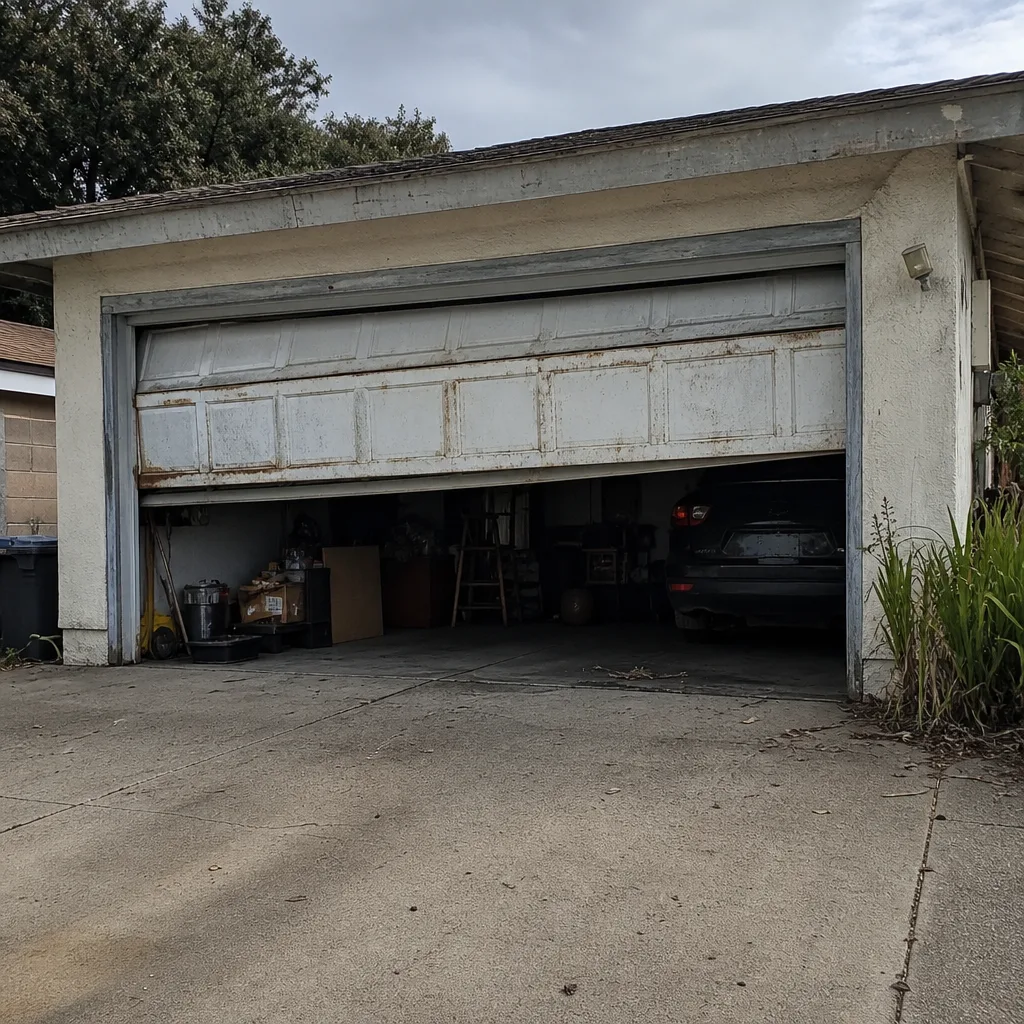 Before
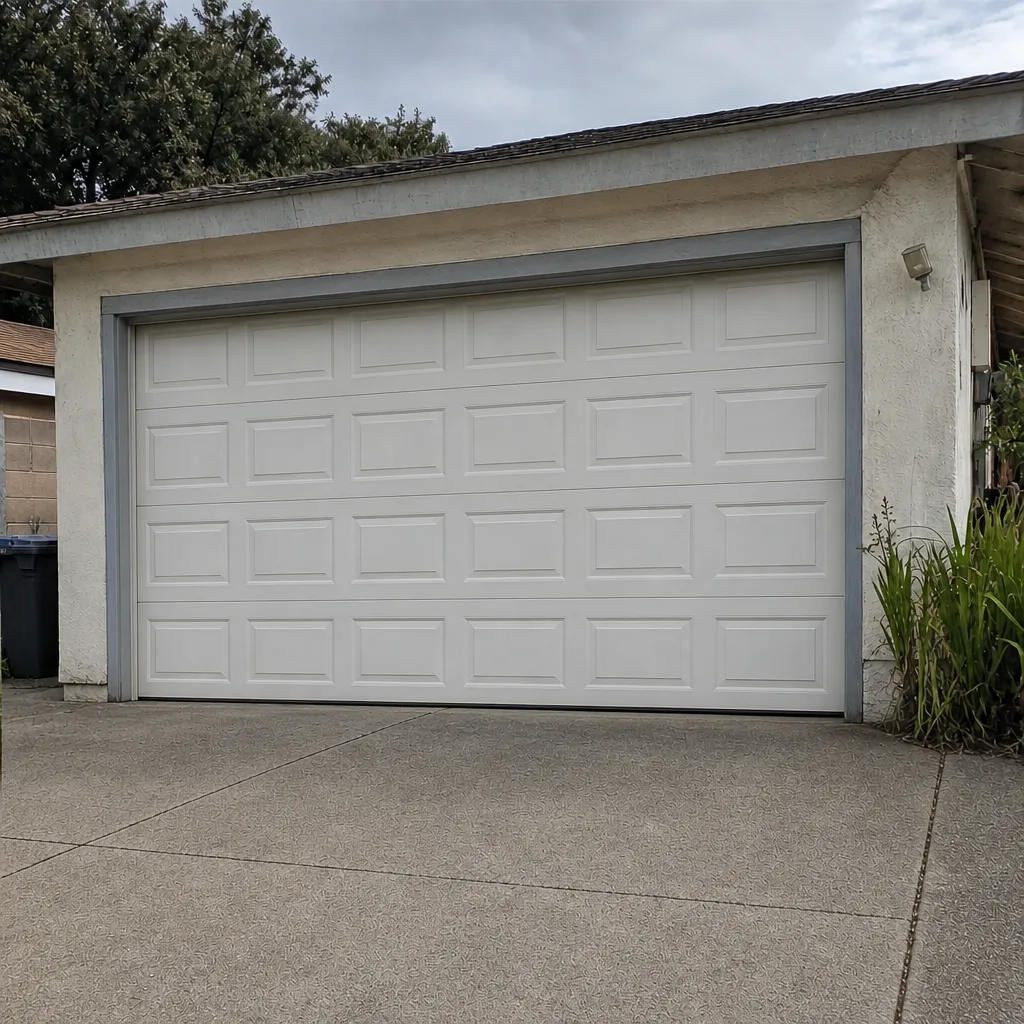 After
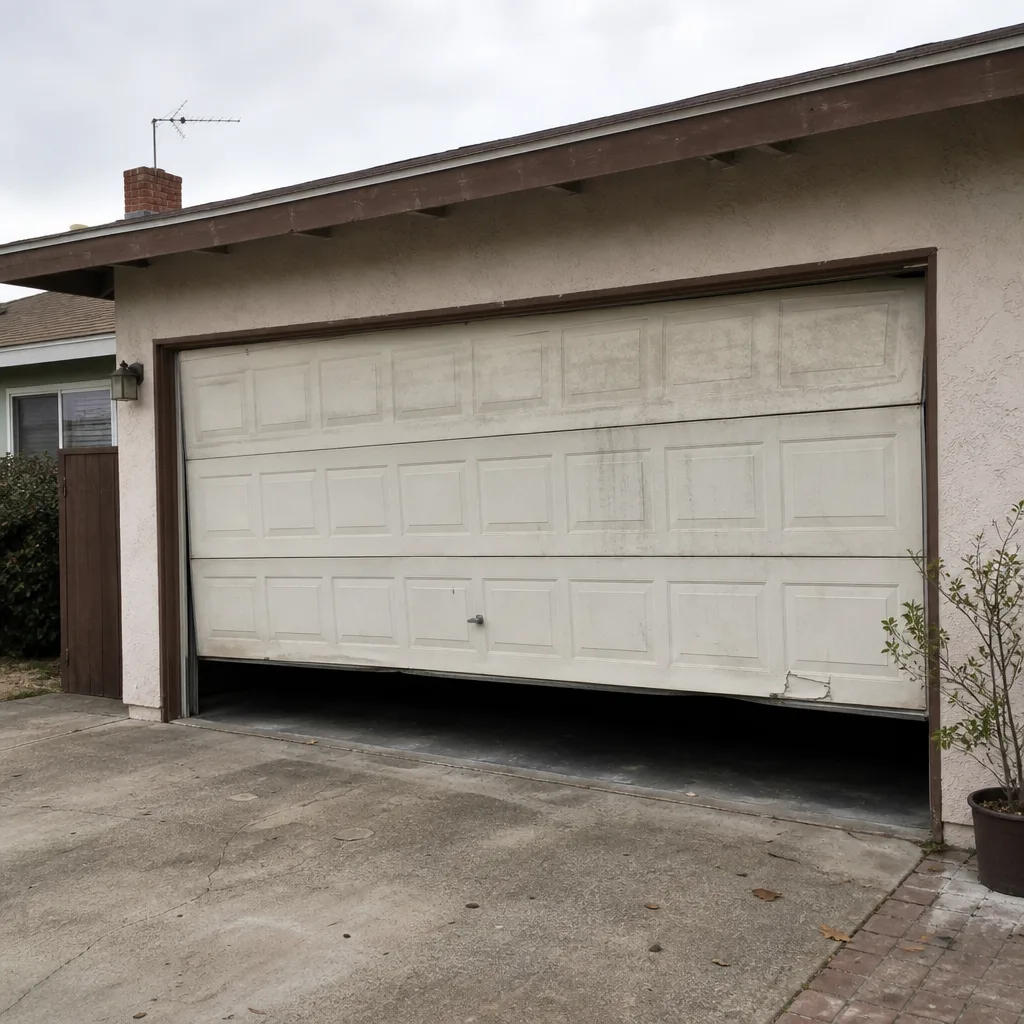 Before
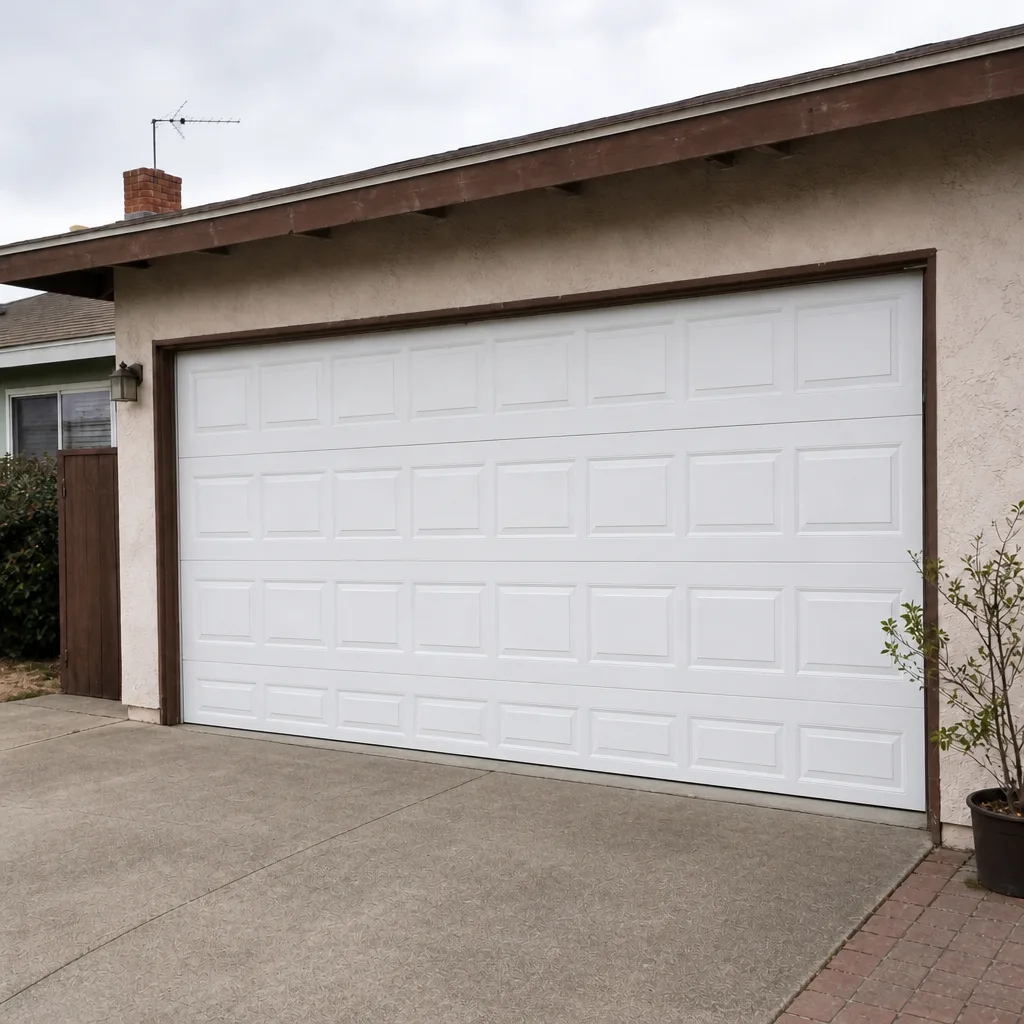 After
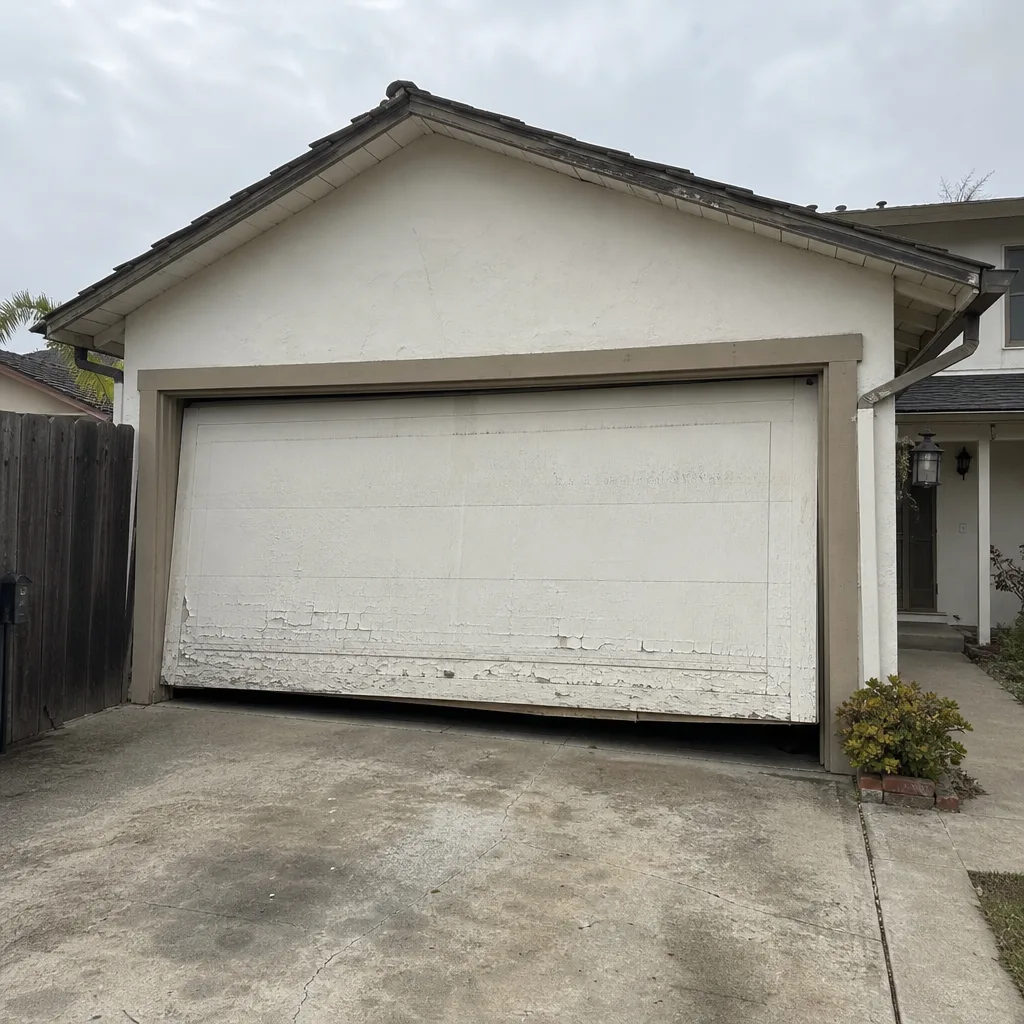 Before
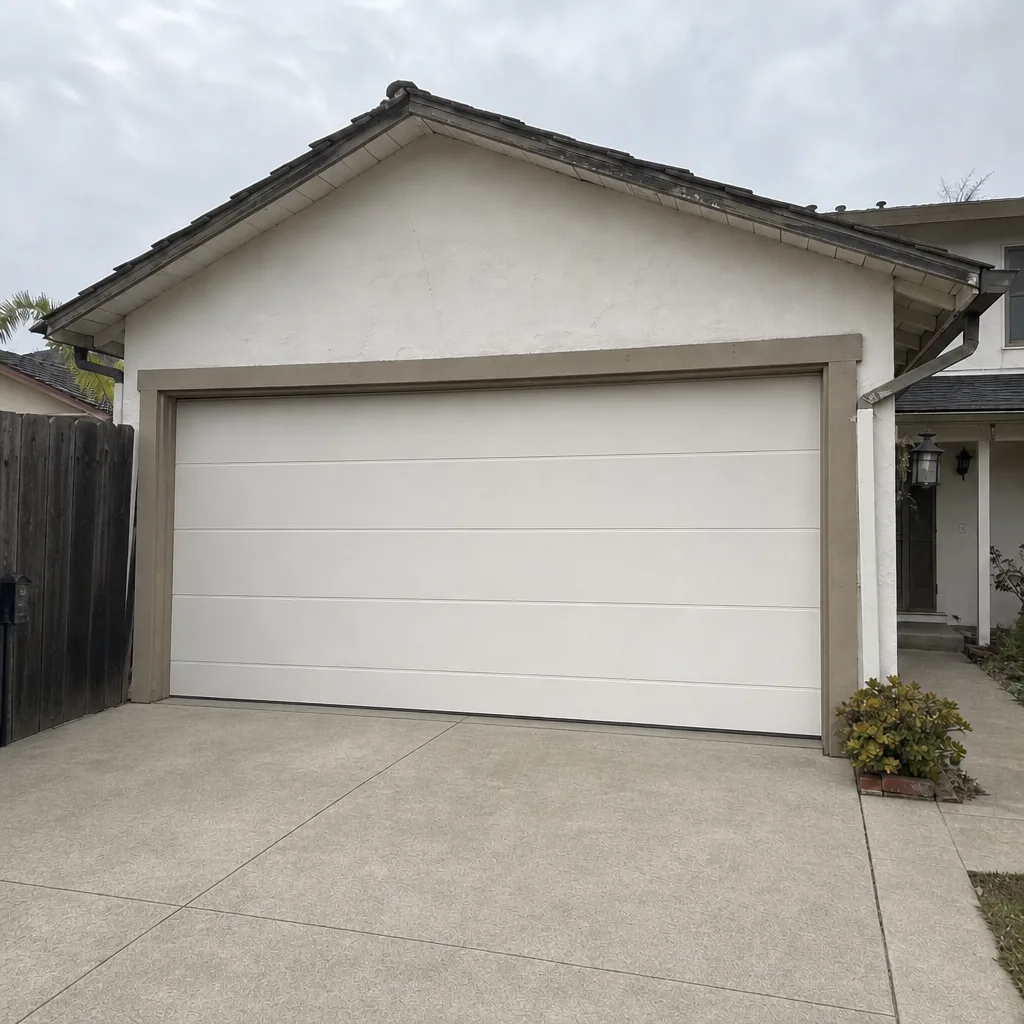 After
When to Call a Professional
Some garage door problems are simple adjustments. Others are the point where a trained technician should take over. Call a professional when your door has come off its track, when a torsion spring has snapped (these are high-tension parts and should never be handled by a homeowner), when the opener won’t reverse on contact with an obstruction, when the door panels show buckling or bowing from wind load, or when you’re planning any change to the door, opener, or opening that falls on the permit side of the line. We also handle the assessment part: if you’re buying a home in Ventura and want an honest read on whether the garage door is permitted and code-compliant, that’s a call worth making before close. Sunridge Garage Door Repair offers free estimates in Ventura, and our technicians have up to 15 years of experience diagnosing both repair and installation scope. Call (844) 685-4199. We answer 24/7. Fast dispatch from 7am to 7pm, Sunday through Friday.
Frequently Asked Questions
Yes, in most cases. A full garage door replacement in Ventura requires a building permit because the door is a rated assembly and the code has to verify the wind-load rating, anchoring, and Title 24 provisions at your address. Minor repairs to existing hardware generally don’t require one. Call (844) 685-4199 for a free estimate and we’ll help you determine which side of the line your job is on.
Usually yes. Even a like-for-like replacement in Ventura typically needs a permit, because the new door’s wind rating has to match current code, which may differ from when your home was built. The size and color match doesn’t change the evaluation. Call (844) 685-4199 and we’ll walk through what your specific address requires before you order a door.
A wind-load rating is the wind speed a door assembly is engineered to withstand without failing, and it matters in Ventura because the code’s requirement varies by address within the county. Doors on exposed foothill and coastal-facing lots often need a higher rating than doors on sheltered inland lots. The permit application reflects the rating your address requires. Call (844) 685-4199 if you want help reading the door’s rating documentation before you buy.
If you’re buying a Ventura home with an unpermitted garage door, the seller is required to disclose it, and the correction process involves a retroactive permit, documentation, and an inspection. The cost and timeline of that correction typically get negotiated between buyer and seller. If you’re already the owner, we can assess whether the door is likely to pass a retroactive inspection. Call (844) 685-4199 for a free estimate on the door itself.
It depends on the scope. Replacing a compatible opener motor on the same rail and mount generally doesn’t require a permit in Ventura. Installing an opener where none existed, changing the opener type, or correcting seismic bracing as part of the install usually does. Call (844) 685-4199 and describe your scope; we’ll tell you what to expect.
Start with the city of Ventura’s building department, which can tell you whether a permit was pulled for your address and what it covered. Then get a technician’s read on the door’s rating label, anchoring, and the opener’s seismic mount. Between the two, you’ll have a clear picture. Call (844) 685-4199 to schedule a free estimate on any corrective work.
The Bottom Line
Garage door permits in Ventura aren’t red tape; they’re the mechanism that keeps the largest moving part of your house rated for the wind and the seismic forces it will actually see. A full door replacement almost always needs a permit, a like-for-like swap usually does too, and repairs to existing compliant hardware generally don’t. California’s Title 24 provisions and the state’s seismic bracing requirement for openers are part of the inspection, not optional extras. If you keep the paperwork, buy the rated product, and install to the manufacturer’s instructions, the inspection is a quick visit and a signed-off permit. If you skip it, the correction tends to surface during a home sale, when it’s slower and more expensive. When you’re ready to scope a repair or a permitted install, call (844) 685-4199 for a free estimate in Ventura.
Written by the team at Sunridge Garage Door Repair.