
Last updated November 15, 2026
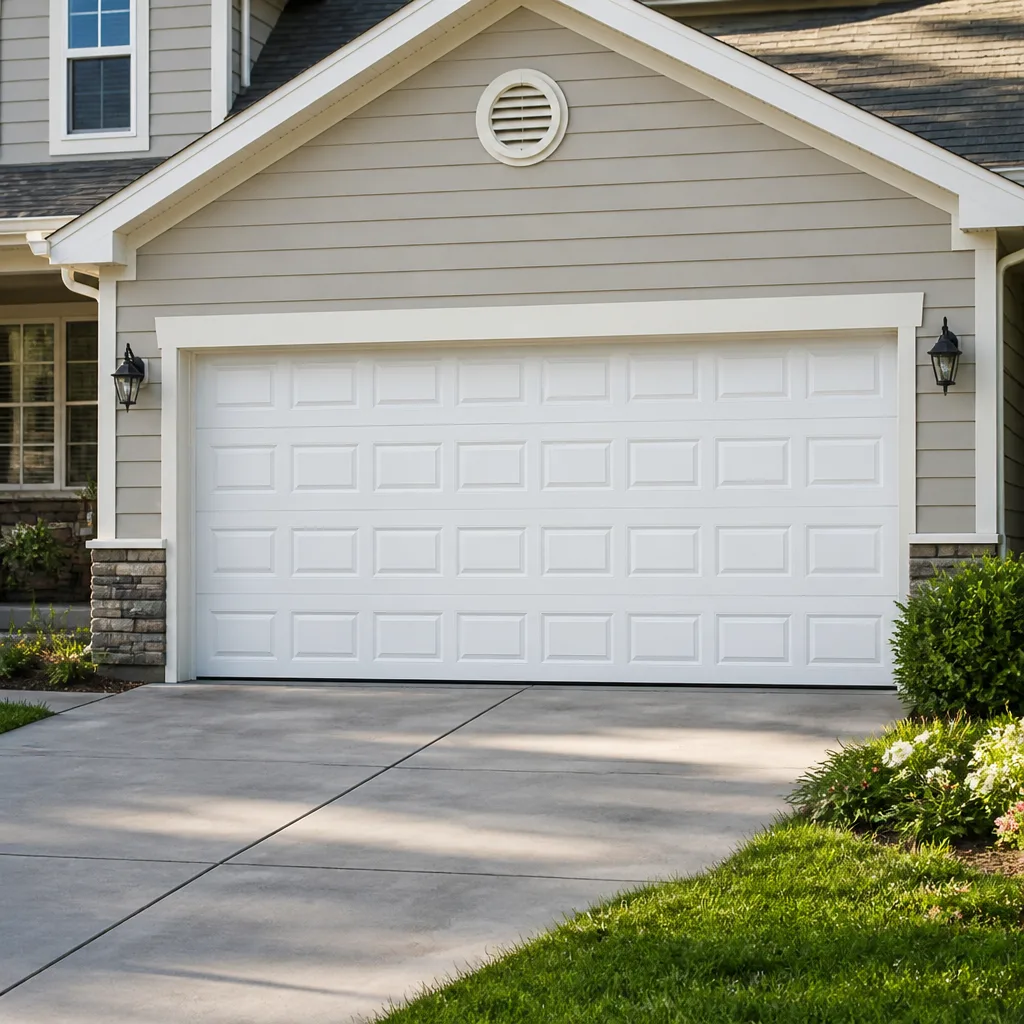 Raised-panel steel
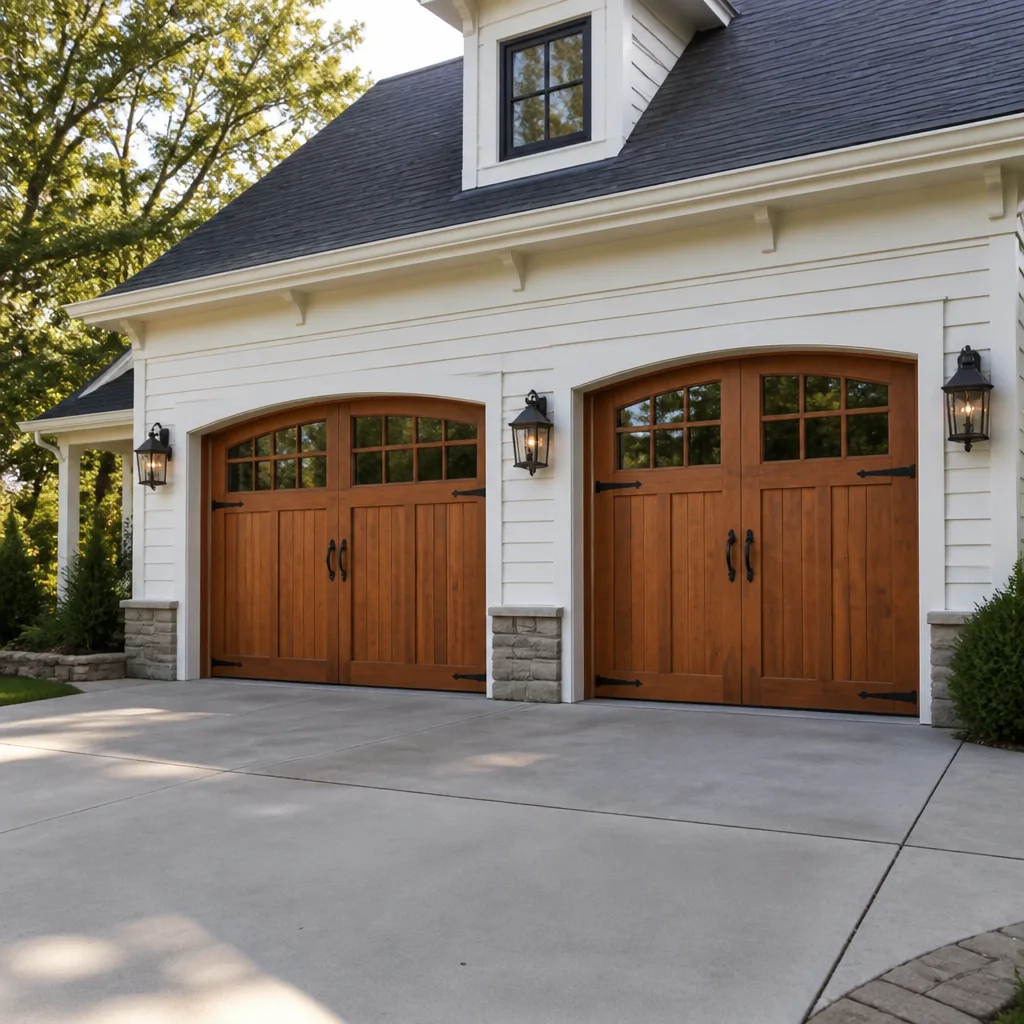 Carriage house
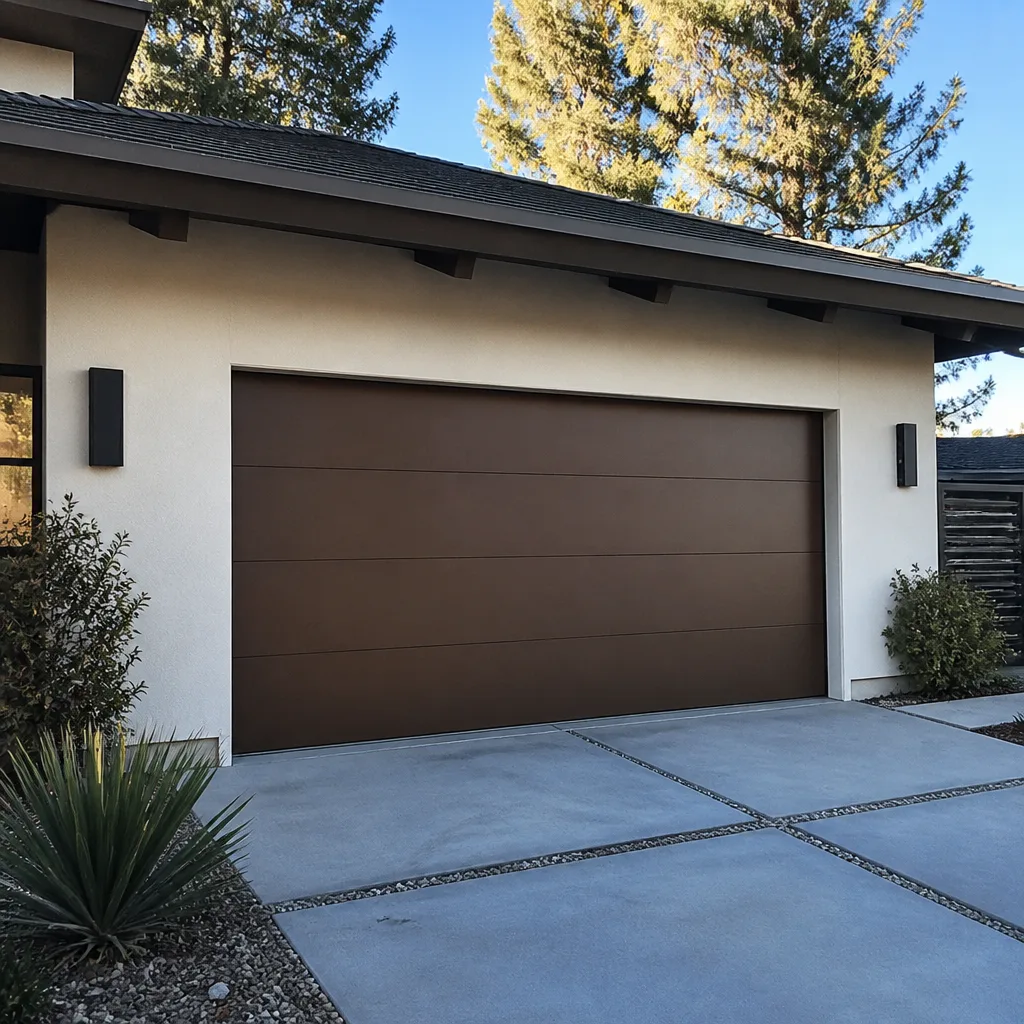 Modern flush
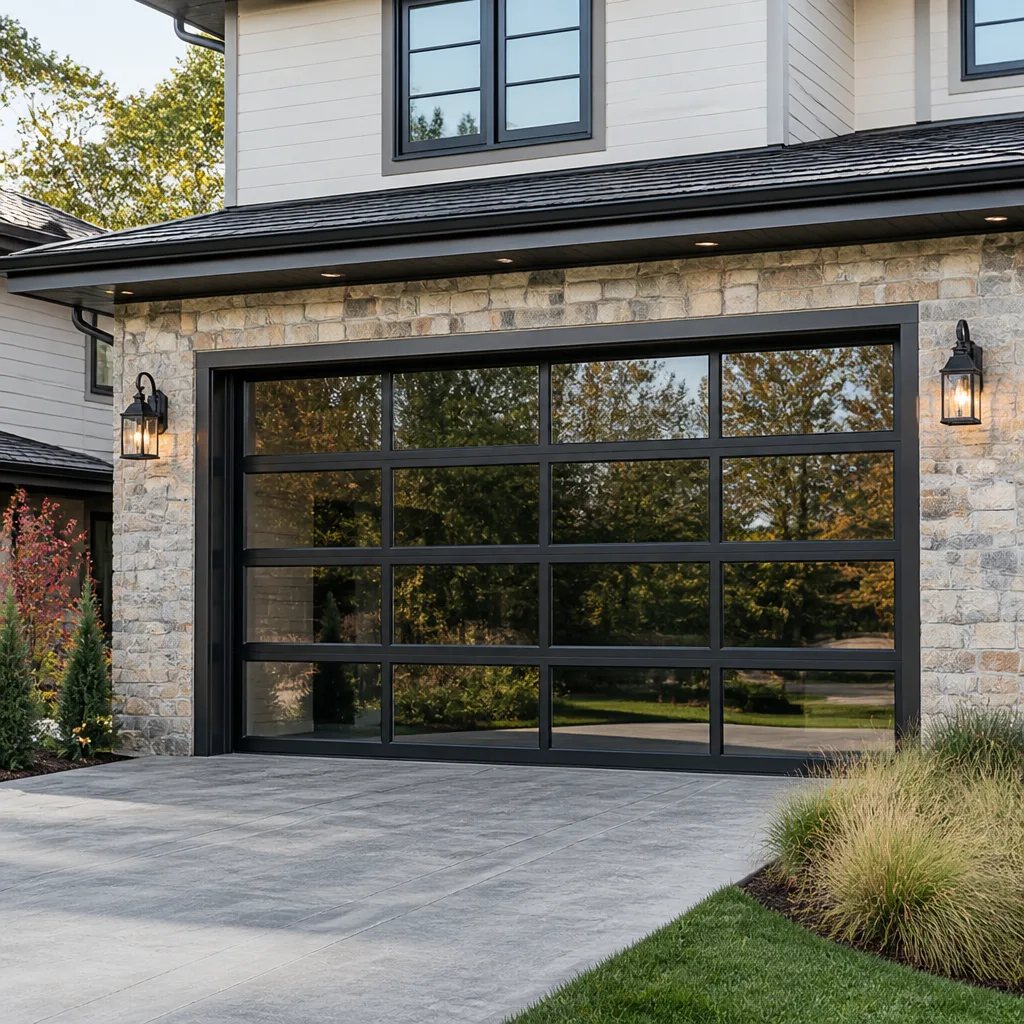 Full-view glass
 LiftMaster openers
 Chamberlain openers
Full 25-point door and opener safety check with every visit - springs, cables, rollers, tracks, and your LiftMaster or Chamberlain opener included
You get a price before we start. It does not change when the pro arrives.
Get your free estimateGarage Door Emergency Preparedness Guide for Ventura Homes
Most homeowners treat the garage door opener like an appliance, something that works until it doesn’t. That assumption holds fine on an ordinary day. It fails the moment the power goes out or a wildfire evacuation order arrives and you walk into the garage to find your car locked behind a door that won’t budge. Garages have a manual release for exactly this reason, but it only helps if you understand how your particular unit works before you need it. This guide walks through the manual release, battery backup systems, post-earthquake inspection, wildfire ember intrusion, and how to build a household plan for garage access. Every section is written for how Ventura homes actually get built and used.
Quick Answer
A garage door emergency plan for a Ventura home comes down to three things: knowing how to operate the manual release on your specific opener, having battery backup on any door you’d need to open without utility power, and inspecting the door and opener before you run them after an earthquake. Test each of those before an emergency, not during one. That is the whole discipline, and it takes about an afternoon to get right.
Styles & brands we work with
- Raised-panel steel
- Carriage house
- Modern flush
- Full-view glass
- LiftMaster openers
- Chamberlain openers
Table of Contents
- How the Manual Release Actually Works on Different Openers
- Battery Backup Systems: What They Cover and Where They Stop
- Post-Earthquake Inspection Before You Run the Door
- Wildfire Ember Intrusion: Reading Your Door’s Gaps and Ratings
- Building a Household Plan for Garage Access
- Running a Full Sequence Test Without Breaking Anything
- Brand Notes: Craftsman, Linear, Chamberlain, and Others
- When You Need a Professional
How the Manual Release Actually Works on Different Openers
Every residential overhead door opener sold in the last several decades has a manual release, usually a red pull cord with a handle hanging from the trolley that runs along the center rail. The release disconnects the door from the opener’s drive so the door moves by hand. The idea is simple. The execution varies just enough between brands that it matters.
On a LiftMaster or Chamberlain opener, which are built by the same manufacturer and use nearly identical mechanisms, the release cord hangs off the trolley carriage and the trolley rides on the rail. Pull the handle straight down and you disengage the carriage from the belt or chain drive. That works when the door is down and the springs are holding their tension. It does not work cleanly when the door is already open, because the weight of the door is hung on the opener instead of the springs. If you pull the release with the door up, the door can drop hard.
The safe step-by-step sequence looks like this:
- Lower the door fully so it rests on the floor and the springs carry the load.
- Pull the release handle straight down with a firm, steady pull.
- Lift the door by hand to confirm it disconnects from the drive.
- Walk the door up and back down slowly, feeling for any binding.
- To re-engage, bring the door to the closed position, then run the opener in the down direction until the carriage catches the trolley.
That last step is where homeowners get stuck. Re-engaging on a Craftsman or Raynor unit is the same in principle, but the carriage can sit out of alignment after a manual cycle. If the opener runs and the door doesn’t move, the carriage hasn’t caught. Cycle the opener once more. Laminate or gear-driven openers mostly follow the same pattern, though the release handle may ride on a different part of the carriage.
A common misstep is leaving the manual release pulled after the power comes back. The opener still runs and sounds normal, but the door doesn’t move because it was never re-engaged. Living in Ventura, where winter storms occasionally knock out power on the hillside streets above downtown, that leftover release is easy to forget. For a hard re-engagement problem, garage door opener repair can resolve it without a service call learning curve.
Battery Backup Systems: What They Cover and Where They Stop
A battery backup keeps the opener running for a limited number of cycles during a power outage. It does not run the door indefinitely, and it will not help if the door’s springs are failing. What it does is get you in and out of the garage when the grid goes down, which matters more here than in most places. Public Safety Power Shutoffs have become routine in parts of Ventura County, and a winter storm can drop an outage on a neighborhood for a day or more.
Not every opener has battery backup. The feature is common in higher-end LiftMaster and Chamberlain units sold in the last several years, and some models accept a battery add-on kit rather than shipping with one built in. Older openers and many builder-grade units have no battery provision at all. If you don’t know which category yours is in, the model label on the back panel or the inside of the motor housing will tell you, and a quick lookup answers the question.
What the backup actually covers depends on the unit. A typical garage door opener battery backup is designed for a limited number of open-close cycles, often stated in the owner’s manual as a cycle count rather than a duration. It’s a way to escape the garage, not a way to run errands. The battery also ages. A backup unit sitting in a cold garage for a few years may not hold enough charge to cycle the door when you need it.
What to check:
- Whether your opener has a battery compartment or an add-on kit availability in the manual.
- The battery health indicator LED if your unit has one.
- Whether the door cycles normally with the breaker switched off.
- The age of the battery pack, since backup batteries are consumable.
That breaker test is the only honest way to know whether the backup works. Unplug the opener or switch its breaker off, press the wall button, and watch the door move. If it runs, you have working backup. If it doesn’t, you have a battery to replace. Do this test twice a year, and before any weather pattern that has historically caused outages in your part of Ventura.
Post-Earthquake Inspection Before You Run the Door
After any noticeable shaking, the instinct is to open the garage and check on the rest of the house. Don’t hit the button yet. A garage door that shifted during seismic movement can bind, drop, or rip free of its tracks when the opener tries to run it. The inspection takes two minutes and prevents the more expensive repair.
Walk the door inspection in this order:
- Look at the tracks on both sides. Any bend, kink or out-of-parallel section means the door should not run.
- Check the rollers. A roller popped out of its track is visible at the hinge points on the door panel.
- Look at the spring above the door. If a spring is broken, the door loses its counterbalance and cannot be operated safely.
- Check the cables on both sides. A slack cable means the tension has been lost, and slack cables are dangerous.
- Confirm the door is sitting square in the opening. Look at the gap along the top and both sides.
- Only if all of the above look normal, run the door by hand a few inches first, then use the opener.
A broken spring, a slack or detached cable, and a door out of its tracks are the three conditions where you stop and call. We’ve seen what happens when a homeowner forces a door with a broken spring, and it is the specific scenario where the door comes down hard. The garage door repair professionals we connect homeowners with treat spring and cable work as inherently dangerous, and we’d rather you call before you touch either.
Ventura’s own seismic history is part of why this section exists. Homes built in older neighborhoods like the ones near downtown and along the midtown grid have garage doors and openers installed decades ago, and an older opener is more likely to have tired springs or fatigued tracks after any shaking. The inspection order above works whether your door is a few years old or a few decades.
Wildfire Ember Intrusion: Reading Your Door’s Gaps and Ratings
Ventura’s wildfire risk comes primarily from ember transport, not just flame fronts. Wind carries burning material well ahead of the fire line, and any gap where embers can enter is a pathway into the structure. The garage is often the largest opening on the home, and the gaps around a typical sectional door are wider than most homeowners expect.
When we assess a garage door for ember intrusion, the check looks at four things:
- Perimeter weatherstripping. The rubber or vinyl seal around the door should meet the frame with no visible light or daylight gaps.
- Bottom seal condition. The threshold seal is the most-used and most-worn part and the easiest ember entry point.
- Panel joints. Embers can lodge in the seams between door panels, especially on older wood or steel doors with deteriorated weatherstripping.
- Opener head penetration. Where the opener rail meets the header above the door, a small gap sometimes opens and should be sealed.
“Fire-rated” is a term used loosely in marketing. A fire-rated garage door has been tested and labeled to a specific rating, usually a time rating like 20, 45, 60 or 90 minutes, and a label on the door or its documentation states what that rating is. A standard residential sectional door is not fire-rated, and adding weatherstripping doesn’t make it so. What weatherstripping does is close the ember pathway, which is a separate and often more practical goal than replacing an entire door for a rating most residential garages don’t require.
For Ventura homes in the hillside neighborhoods above the city and along the eastern edges where the wildland interface runs close, sealing the perimeter gaps and keeping the area around the door clear of stored combustibles is the highest-value step. A Ventura homeowner who calls for a pre-fire-season check is asking the right question a season early, not late.
Building a Household Plan for Garage Access
The manual release is useless if the person who needs it doesn’t know where it is. In a real evacuation, everyone in the house needs to know how to get the car out without the opener, and that knowledge has to be shared before the fire starts. The plan takes one conversation and one practice session.
What every household member should know:
- Where the manual release cord hangs on your specific opener.
- That the door must be down and at rest before the release is pulled.
- How to re-engage after using it.
- Whether the opener has battery backup and how many cycles it covers.
- The location of the emergency release lock mechanism if your door has one.
Include the person who isn’t the primary driver. Include any household help. Include the person who works from home and is alone during the day. And include anyone who’d need help getting a car out, because a plan that requires a physically strong adult to lift the door isn’t a plan for everyone in the house.
If the garage has a side entry door, that door needs its own access tested, especially if it uses an electronic lock. If your car is parked facing in and there’s a second vehicle behind it, decide in advance which car leaves first. The worst time to solve that is in the dark with smoke on the air and the grid down.
We recommend one upgrade to any household plan that assumes use of the garage during an outage: verify that at least one opener on the property has battery backup, and that the battery is healthy. That gives you a working option that doesn’t depend on anyone remembering the release sequence under stress. For anything the plan surfaces as broken, we can connect you with a professional who knows the equipment. Our technicians have up to 15 years of experience with door and opener systems, which is the practical value of a Sunridge Garage Door Repair connection when the plan reveals a problem.
Running a Full Sequence Test Without Breaking Anything
Testing the emergency plan is the step most households skip. It’s also the step that turns a plan on paper into something that actually works. The test has two parts: a manual release drill and a power-off drill, and both should happen with the car out of the garage.
Manual release drill:
- Pull the car out of the garage and park it in the driveway.
- Close the door and let it come to rest on the floor.
- Have each household member pull the release handle in turn.
- Lift the door by hand and confirm it moves freely.
- Walk it back down, re-engage the carriage, and run the opener to confirm normal operation.
Power-off drill:
- Unplug the opener or switch its breaker off.
- Press the wall button. If the door cycles, battery backup is working.
- Cycle the door two or three times to test backup capacity without draining it.
- Restore power and confirm the wall controls still respond.
Don’t drill on the same door that requires physical effort to lift. If the door needs more than a normal two-handed push to raise by hand, the door’s mechanical balance is off and it should be serviced before anyone tests the release sequence again. A door that’s heavy by hand is a door whose springs have lost tension. That is exactly what garage door opener repair helps with in our experience, along with the springs themselves and the mechanical alignment that any emergency plan depends on.
Run the full drill twice a year. Put it on the calendar next to any other home maintenance reminders. The best garage door emergency plan is a practiced one, and it stays fresh if nobody has to remember a sequence they’ve seen once.
Brand Notes: Craftsman, Linear, Chamberlain, and Others
Homeowners often introduce their garage door problem by naming the opener. That is a better starting point than most people realize, because the equipment specifics matter. We service the eight most widely installed residential brands and adjust the diagnostic approach to each one: LiftMaster, Chamberlain, Genie, Clopay, Amarr, Wayne Dalton, Craftsman, and Raynor. If you know yours, the conversation starts faster and the fix is more accurate.
Where the brand affects emergency prep specifically:
- Chamberlain and LiftMaster. Same manufacturer, nearly identical release and re-engagement mechanisms. Battery backup tends to be available on higher-tier models and some aftermarket add-on kits.
- Craftsman. A very common opener in older Ventura homes, and many units are well past the era when battery backup was standard. Manual release familiarity matters more here than on a new unit.
- Raynor. Known for both openers and doors; the door and opener combination should be inspected together after any seismic movement.
- Linear and genie units. Common on builder-grade homes; manual release location and carriage engagement are similar to the standard mechanism.
We aren’t the installer pushing a single brand. The point of brand fluency is that we read the door’s existing equipment and work with it. If yours is a Clopay door with a Genie opener, or an Amarr door with a Wayne Dalton unit, the plan you build for that combination is different from the plan for a matched set. This is one reason we stay focused on garage doors alone. Every hour of training goes into one trade, and the diagnostic process for the eight brands above reflects that.
Do not assume that any of this lets you diagnose what you’re looking at after a real failure. A door with a broken spring or slack cable is a dangerous system, and the danger is not visible from the outside of the box. For those, call us at (844) 685-4199 and we’ll connect the right professional to the right fix.
See the difference
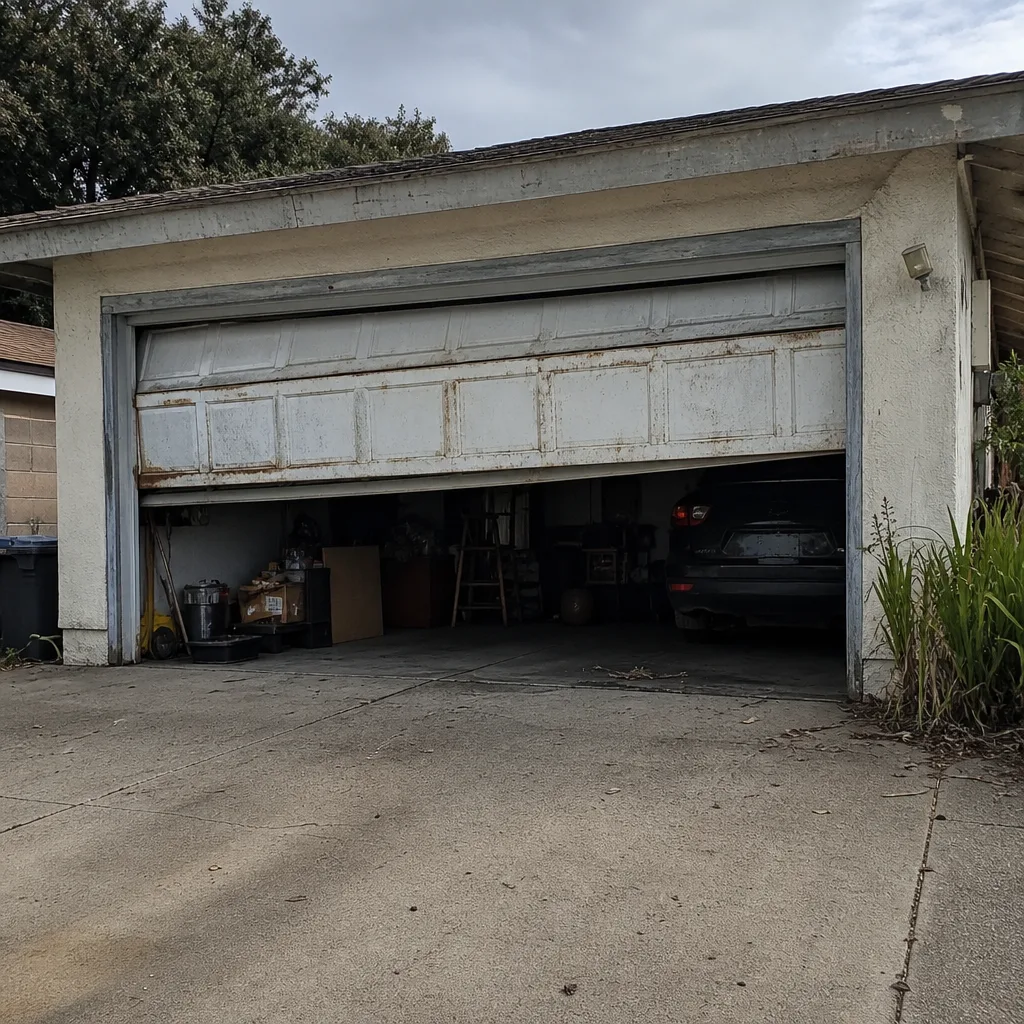 Before
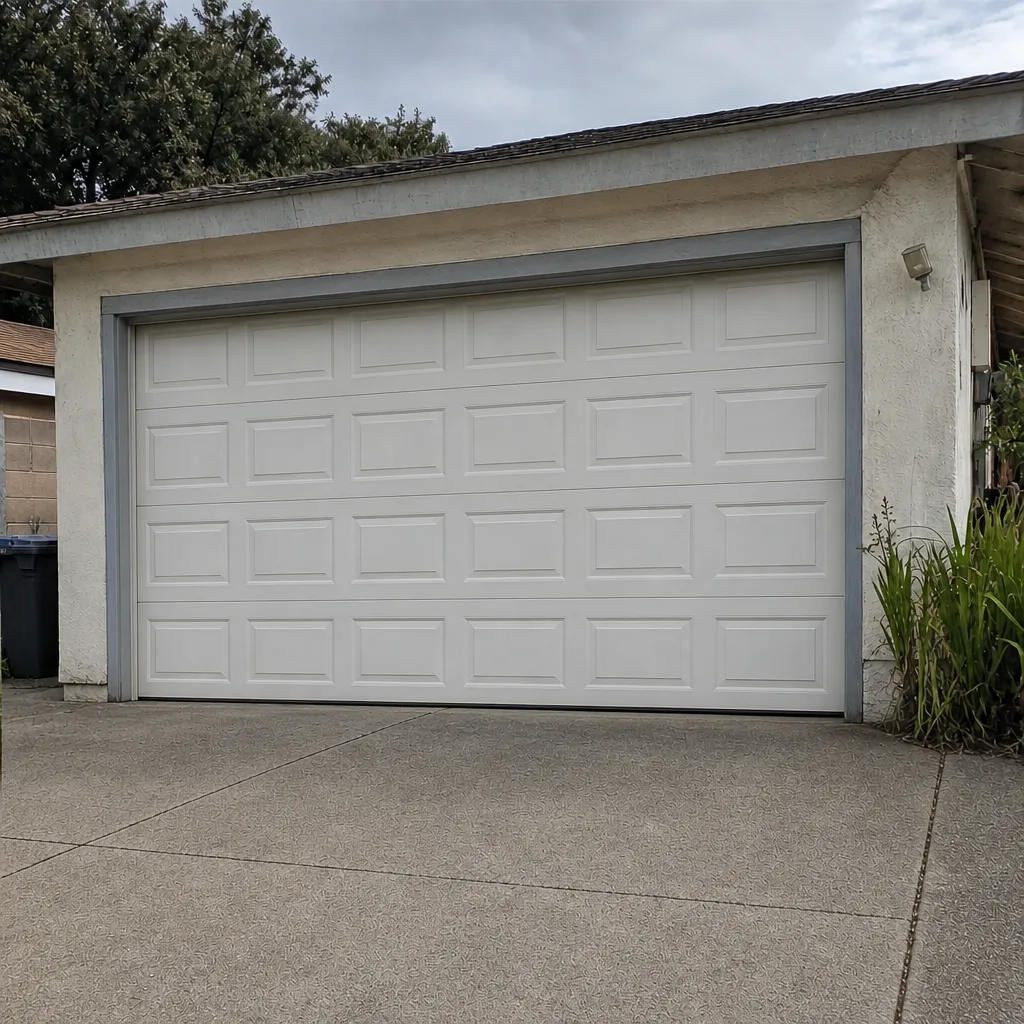 After
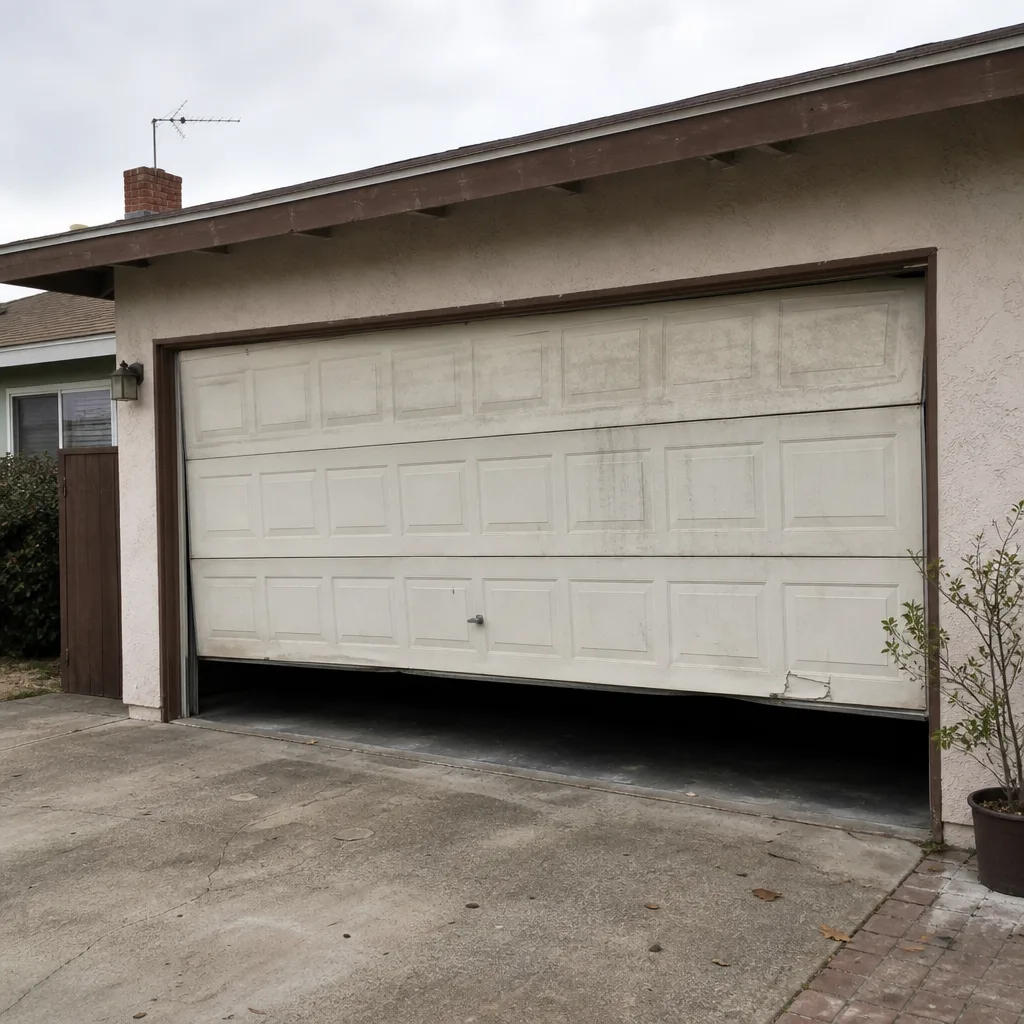 Before
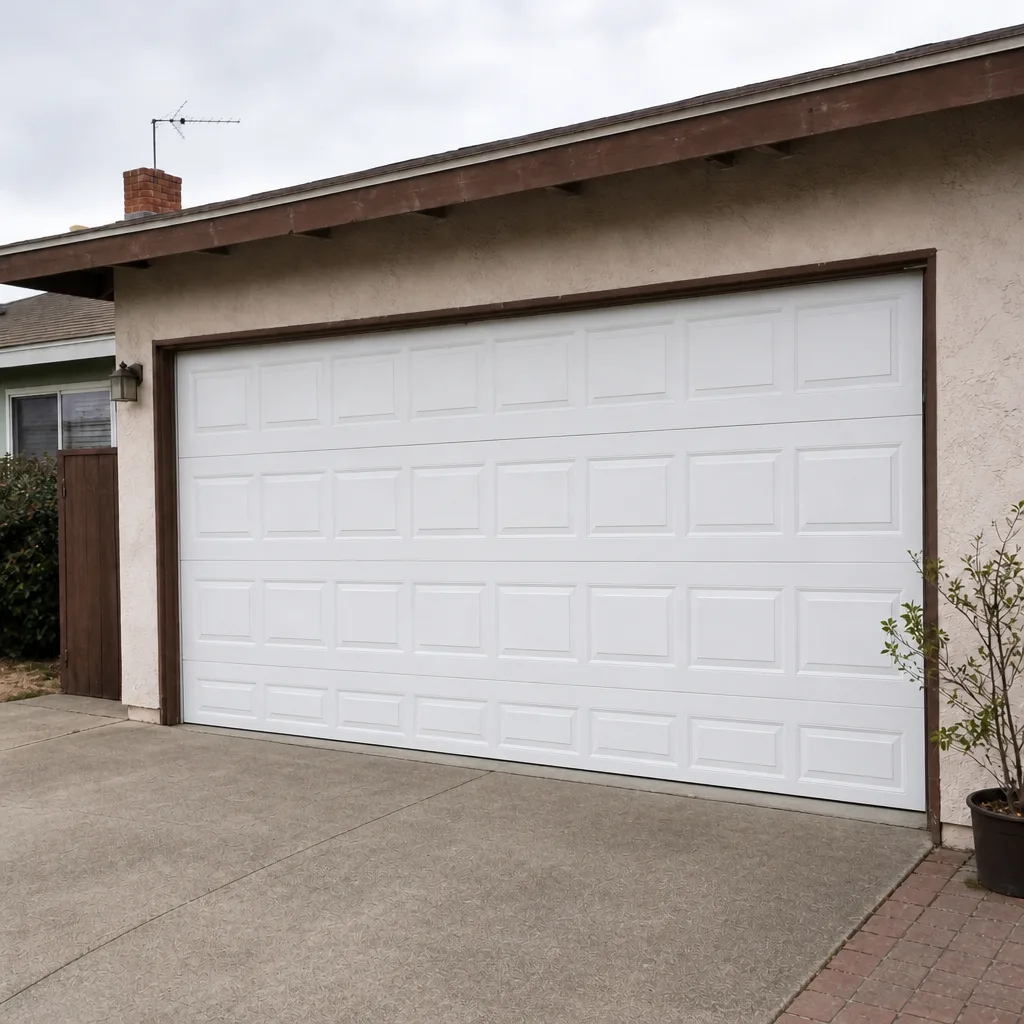 After
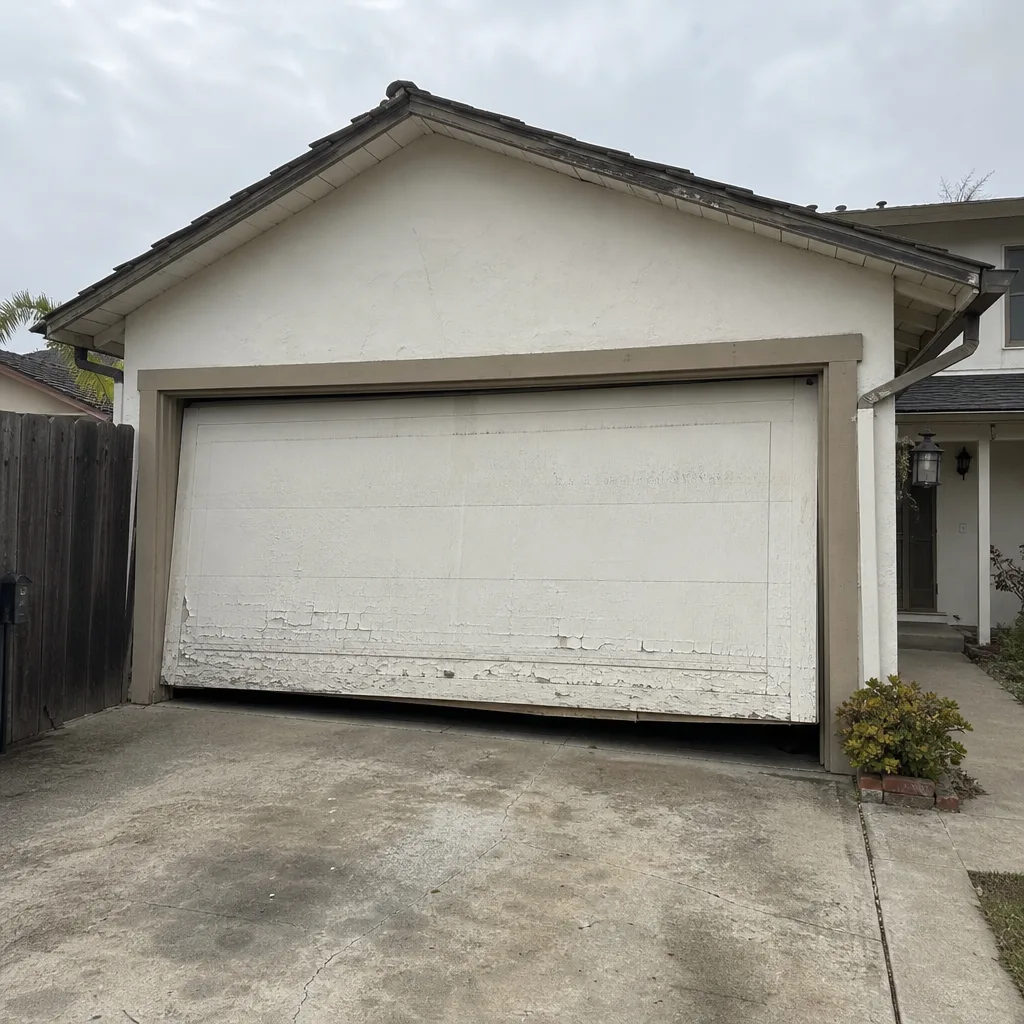 Before
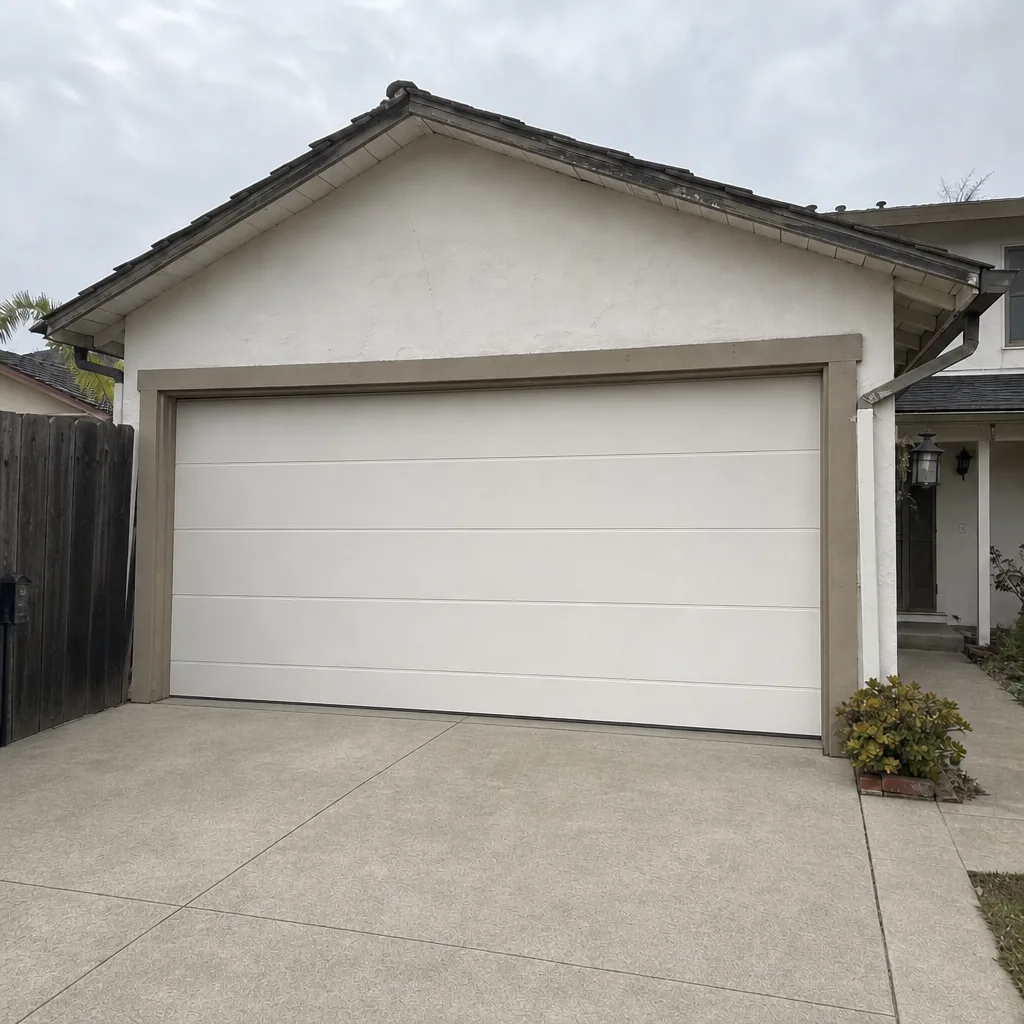 After
Common Mistakes to Avoid
- Pulling the manual release with the door up. The load shifts onto the opener and the door can drop hard. Always get the door fully down before releasing the trolley.
- Never re-engaging the trolley. The opener runs and sounds normal, but the door doesn’t move. Cycle the opener in the down direction until the carriage catches, and test it before the next emergency.
- Assuming battery backup is present. Many older openers and builder-grade models have no battery provision at all. The label and manual are the only reliable way to know.
- Skipping the breaker-off test. If you’ve never run the opener with the power off, you have no idea whether the backup actually holds a charge. Battery health indicators lie; the door moving or not is the real answer.
- Running the door right after an earthquake. A shifted track, a displaced roller, or a fatigue-failed spring will damage the door when the opener forces it. Inspect first, then run.
- Ignoring perimeter gap sealing before fire season. In the hillside neighborhoods of Ventura, ember intrusion through the weatherstripping and vertical gaps is the exposure that’s fixable in an afternoon.
- Assuming “fire-rated” means anything on a standard residential door. Rating labels state specific time ratings, and a standard sectional door doesn’t have one. Sealing the gaps is the practical alternative most homes need.
When to Call a Professional
Call when a broken spring, a slack cable, or a door out of its tracks happens after a seismic event or at any other time. These are not homeowner repairs. Call when the manual release won’t re-engage and cycling the opener doesn’t solve it. Call when the door needs real effort to lift by hand, because that signals the door’s balance has failed. Call when an opener shows no battery backup and you want to know whether a compatible add-on exists. And call when a fire-season check reveals gaps that weatherstripping hasn’t kept up with. Sunridge Garage Door Repair offers free estimates in Ventura. Call (844) 685-4199. We answer 24/7. Fast dispatch from 7am to 7pm, Sunday through Friday. Estimates are free, and the price is quoted and agreed before any work starts.
Frequently Asked Questions
Check the model label on the back panel or inside the motor housing. If the owner’s manual lists a battery compartment or an add-on battery kit for that model, it either has backup or can accept it. The definitive test is to switch the breaker off and press the wall button. If the door cycles, backup is working.
Inspect the tracks, rollers, cables, springs and door alignment before running the opener. If any are bent, slack, or visibly displaced, don’t run the door; call for a professional inspection. A door with a broken spring or slack cable is dangerous, and running the opener on it can drop the door hard.
Yes, using the manual release. Get the door fully down first so the springs are holding the load, then pull the release handle straight down. Lift the door by hand and walk it back down slowly. Re-engage by bringing the door to the closed position and cycling the opener in the down direction until the carriage catches.
For most residential garages in Ventura, a standard sectional door is what’s installed, and a fire rating is not a typical residential requirement. What matters more for wildfire ember exposure is closing the gaps: perimeter weatherstripping, bottom seal condition, and panel joints. For a specific rating requirement, ask your city’s building department.
Twice a year, plus before any weather pattern that has caused outages in your area. Run the full sequence: release, lift by hand, re-engage, and confirm normal operation. Test each household member’s ability to operate it, not just your own.
The weight of the open door transfers to the opener, and the door can drop. Always bring the door fully down before pulling the release cord. If the release was pulled by accident, lower the door fully and re-engage the carriage before using the opener again.
The Bottom Line
Emergency preparedness for a garage door is mostly a matter of knowing what you already own. Find the manual release and learn the re-engagement sequence for your opener. Test the battery backup by cutting power. Learn the earthquake inspection order and don’t run the door until the tracks, rollers, cables and springs check out. Seal the perimeter gaps before wildfire season. And make sure everyone in the house can operate the release, not just the person who installed the opener. None of that takes long, and all of it works better tested than recalled. Our technicians have up to 15 years of experience with the eight leading brands, and we’re happy to assess what you have. Call (844) 685-4199. We answer 24/7. Fast dispatch from 7am to 7pm, Sunday through Friday. Estimates are free.
Written by the team at Sunridge Garage Door Repair.