
Last updated November 15, 2026
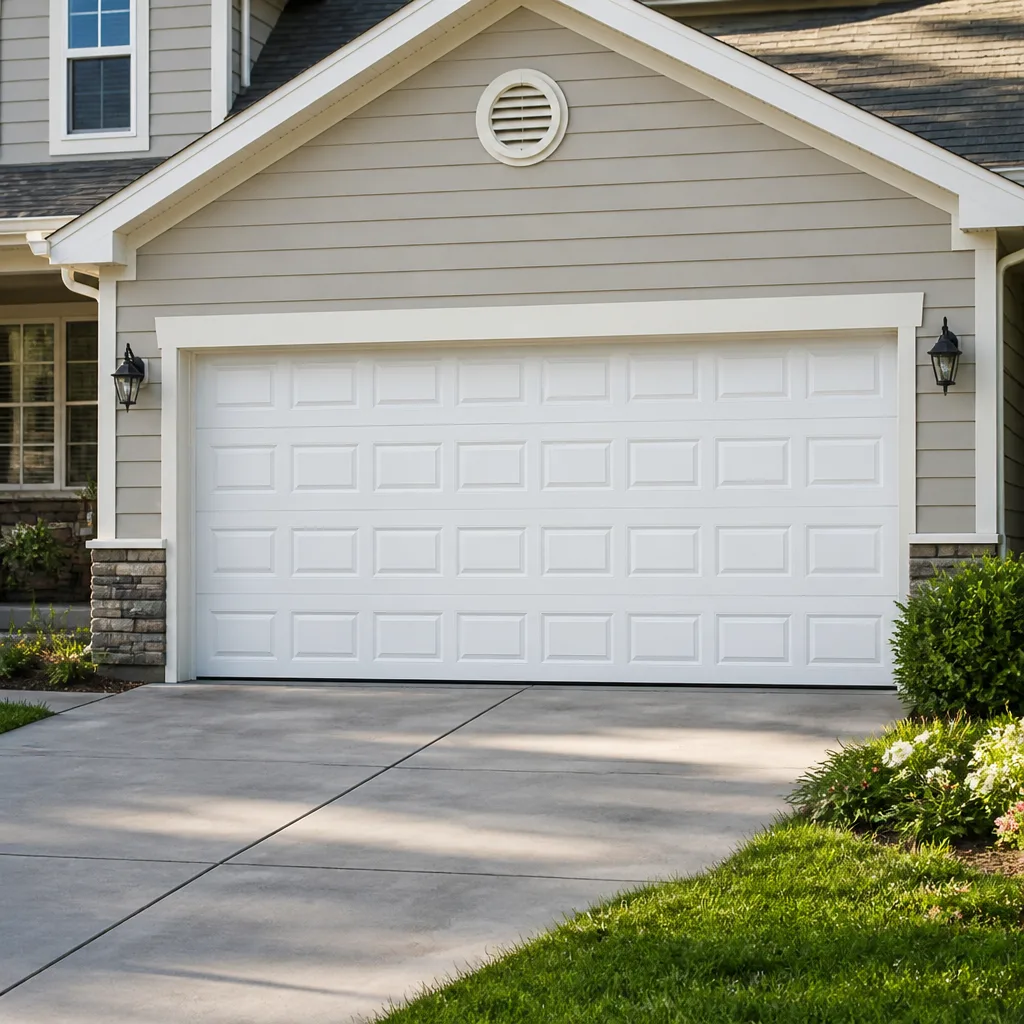 Raised-panel steel
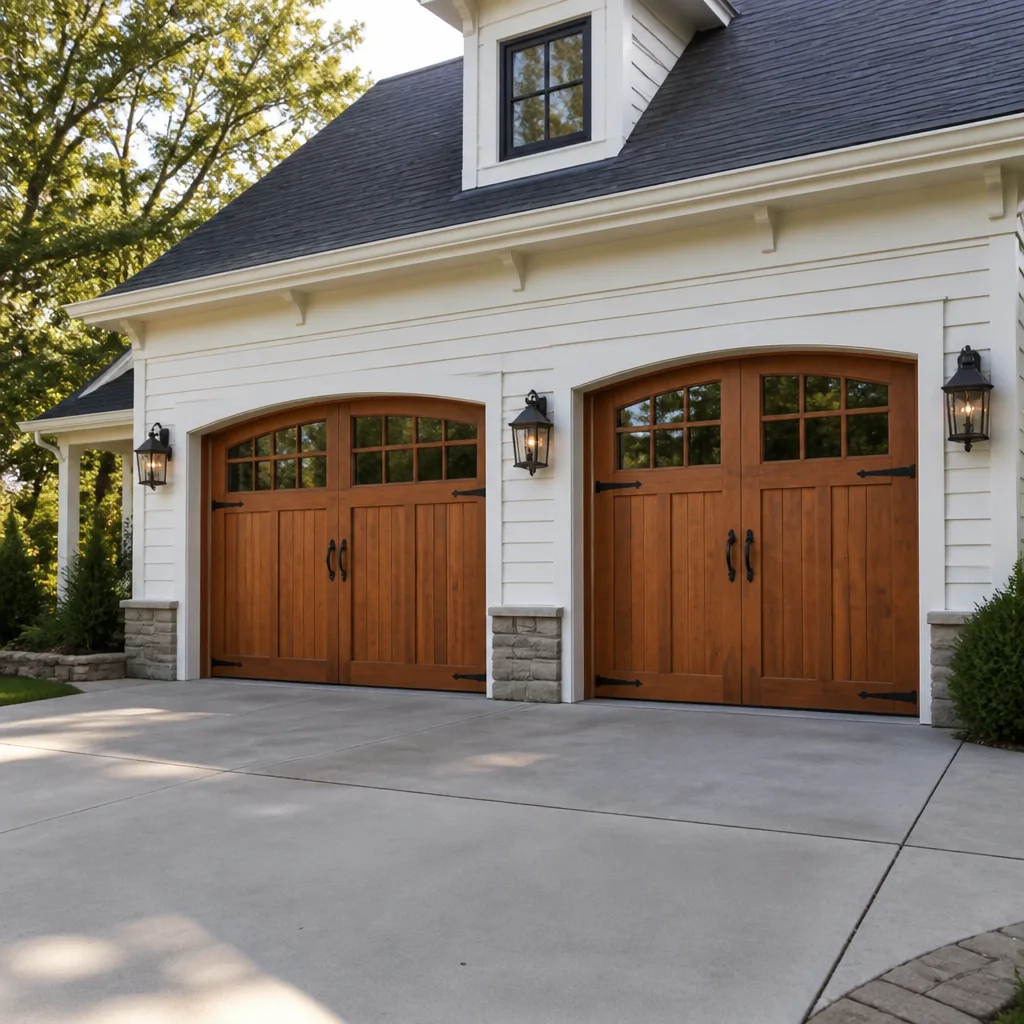 Carriage house
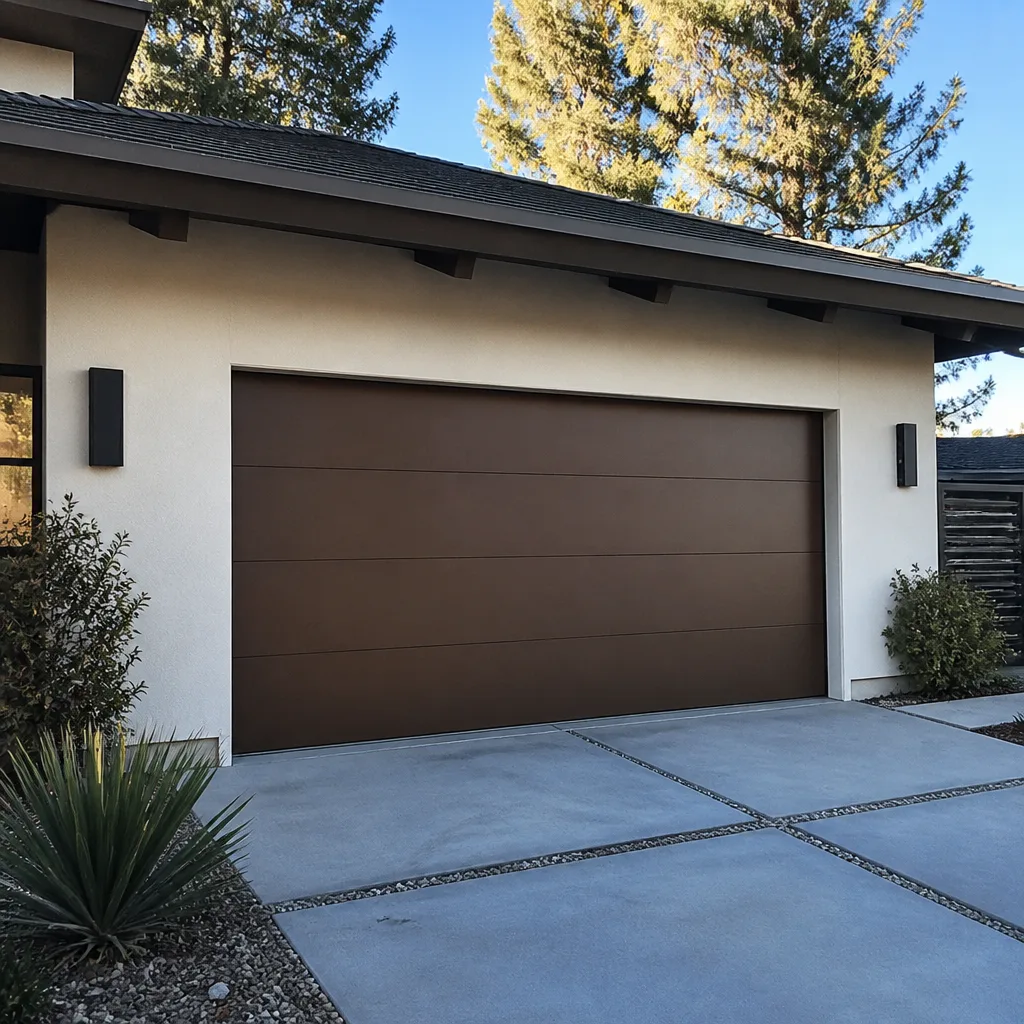 Modern flush
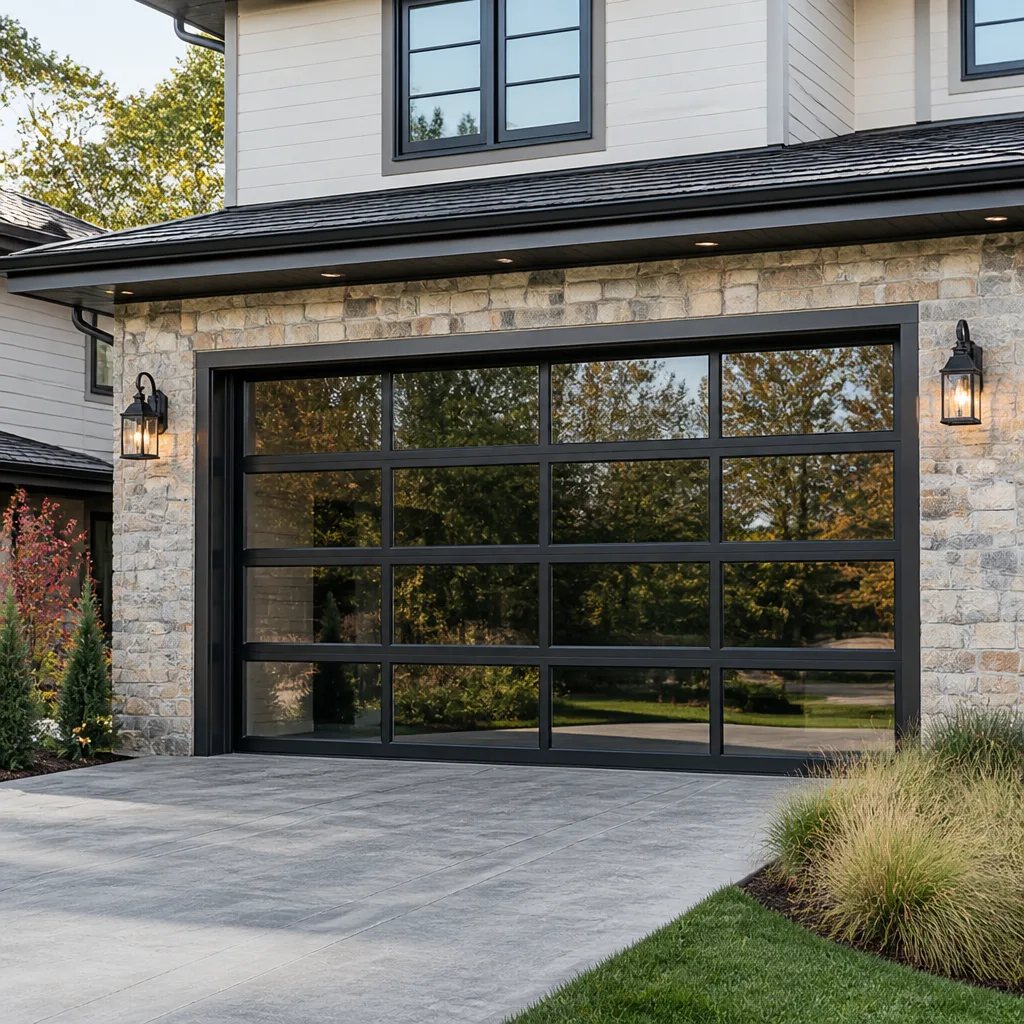 Full-view glass
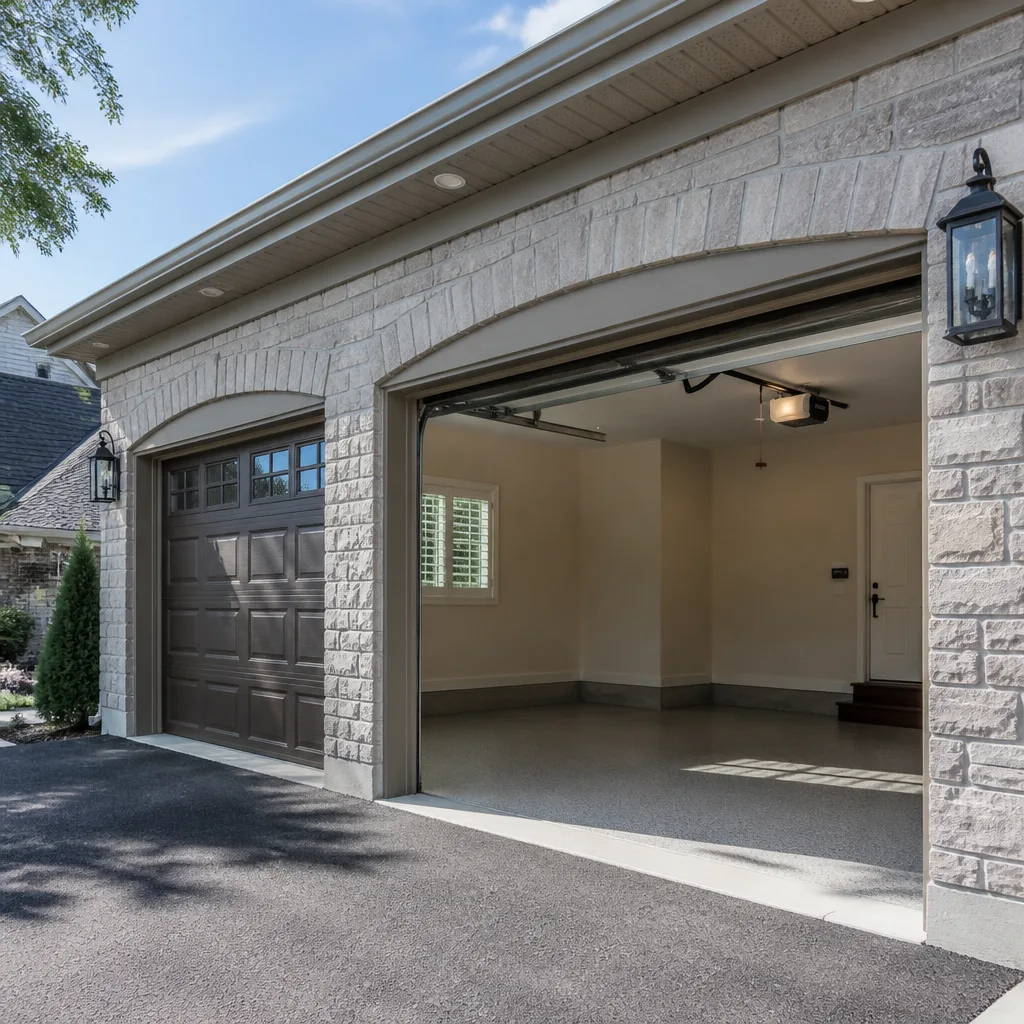 LiftMaster openers
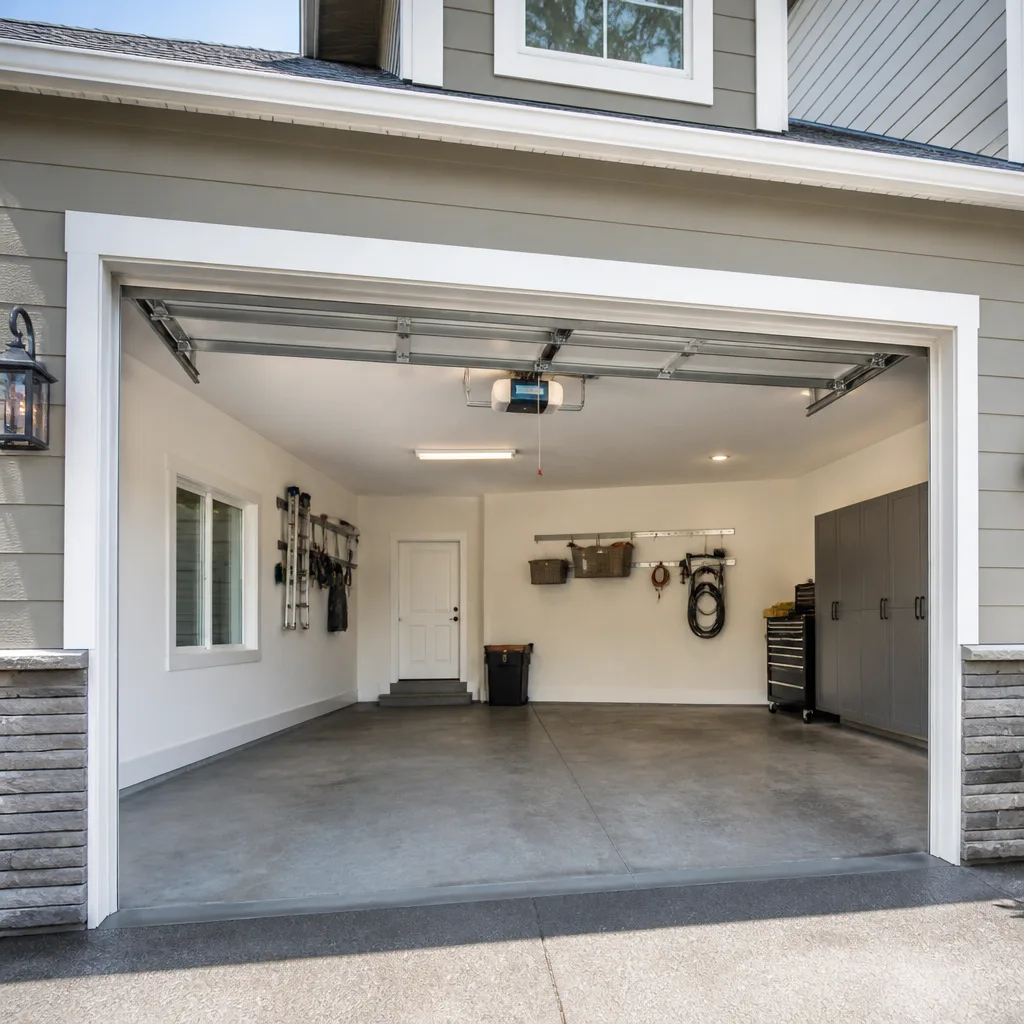 Chamberlain openers
Full 25-point door and opener safety check with every visit - springs, cables, rollers, tracks, and your LiftMaster or Chamberlain opener included
You get a price before we start. It does not change when the pro arrives.
Get your free estimateSeasonal Garage Door Care for Ventura: Year-Round Homeowner’s Guide
Telling a Ventura homeowner to “winterize” their garage door is advice copy-pasted from a Minneapolis guide. It doesn’t fit here. Ventura doesn’t run on four neat seasons. It runs on stress cycles: the dry heat and Santa Ana winds of fall, the marine layer saturation of late spring, and the occasional hard rain events of winter. Each one puts different parts of your door and opener at risk, and each asks something different of you. This guide walks the Ventura calendar month by month, points out what actually breaks and when, and covers the one task that ignores the calendar entirely. By the end you’ll know what to check, what to leave alone, and what to hand to a technician.
Quick Answer
In Ventura, garage door care follows the local climate rather than the traditional four seasons. The highest-risk window is fall, when dry heat and Santa Ana winds work hardware loose and dry out seals, followed by winter rain that finds every gap in weatherstripping and the threshold. Spring brings marine layer moisture that fogs sensors and tracks, and summer temperature swings stress balance and tension on steel doors. Lubrication, seal inspection, and a balance check belong on a schedule that matches this rhythm, and anything involving springs, cables, or the opener’s electrical side belongs with a trained technician.
Styles & brands we work with
- Raised-panel steel
- Carriage house
- Modern flush
- Full-view glass
- LiftMaster openers
- Chamberlain openers
Table of Contents
- Why Ventura’s “Seasons” Don’t Look Like Anyone Else’s
- Fall: Santa Ana Wind Prep and Ventura’s Highest-Risk Season
- Winter: Hard Rain, Drainage, and the Threshold Seal
- Spring: Marine Layer Moisture in Sensors, Tracks, and Logic Boards
- Summer: Thermal Expansion and Temperature Swing
- The Year-Round Task: Corrosion Monitoring
- A Month-by-Month Ventura Maintenance Calendar
- Common Mistakes to Avoid
- When to Call a Professional
Why Ventura’s “Seasons” Don’t Look Like Anyone Else’s
Most garage door maintenance advice is written for places with a hard freeze and a long snow season. That advice centers on things like frozen hinges, ice buildup in tracks, and the damage a deep winter does to seals. None of it applies here. Ventura’s winters are mild. What we get instead is a climate of small, repeated stresses, and those stresses hit the door in a different order than the rest of the country expects.
Think about what a Ventura door actually lives through in a year. It sits in dry heat for long stretches. It gets pushed by Santa Ana winds that carry grit and dust. It gets soaked during hard rain events, then sits in damp marine layer air for weeks in late spring. And through all of it, the temperature swings between cool mornings and warm afternoons. Each of those conditions attacks a different component.
That’s why a single “annual service” checklist borrowed from a cold-climate guide misses the point. The right question isn’t “is it spring yet?” It’s “what is this month doing to my door?” Once you think in cycles instead of seasons, the maintenance makes sense. Our technicians have up to 15 years of experience working on doors in this kind of climate, and the pattern is consistent: the failures we see trace back to whichever cycle just ended.
Here’s the short version of the Ventura rhythm:
- Fall – dry heat and Santa Ana winds. Hardware loosens, seals dry and crack, dust invades tracks and rollers.
- Winter – hard rain events. Water finds gaps in weatherstripping, pools at the threshold, and stresses drainage.
- Spring – marine layer moisture. Damp air fogs sensors, rusts bare metal, and can reach opener electronics.
- Summer – temperature swing. Steel panels expand and contract; balance and spring tension feel the difference.
- All year – corrosion. It never takes a season off, and it needs consistent attention.
If you take nothing else from this guide, take that structure. It’s the spine of everything below.
Fall: Santa Ana Wind Prep and Ventura’s Highest-Risk Season
Fall is the riskiest season for a garage door in Ventura, and almost nobody plans for it. The reason is the Santa Ana winds. These are dry, gusty offshore winds that arrive in fall and push hard against anything with surface area. A garage door is a large, flat panel with a lot of surface area, and it takes the full force of those gusts. Combined with the dry heat that precedes and accompanies them, fall is when a door that’s been quietly loosening all summer finally shows it.
What the wind and dry air actually do:
- Work hardware loose. Repeated gusting vibrates hinges, brackets, and track fasteners. Bolts that were snug in July can be noticeably loose by October.
- Dry out seals and weatherstripping. The rubber and vinyl around the door perimeter lose flexibility in sustained dry heat. Cracked seals let in wind, dust, and later, rain.
- Drive grit into moving parts. Wind carries dust and fine debris. It settles in tracks and roller bearings, turning smooth travel into grinding travel.
- Stress the opener’s limits. A door that’s fighting wind pressure and grit needs more force to move. That extra load lands on the opener.
Before October, walk your door and check the following. This is inspection only. Leave the springs and cables to a technician.
- Look at the perimeter seal. Run your hand along the weatherstripping. It should feel flexible, not brittle. Cracks or gaps mean it won’t hold against wind.
- Check the track fasteners by eye. Look for brackets that have pulled away from the wall or bolts sitting proud. Don’t overtighten anything; just note what looks loose.
- Watch the door travel. Open and close it once, slowly, and listen. Grinding, squealing, or a door that shudders means grit or worn rollers.
- Clear the tracks. Wipe debris from the track channels with a dry cloth. Don’t lubricate the tracks themselves; that attracts more grit.
- Look at the panels from outside. A door that’s been stressed by wind can develop dents or a panel that’s slightly out of line. Note anything that looks bent.
- Test the balance by hand. With the door closed and the opener disengaged, lift it about halfway and let go. It should hold roughly where you left it. If it slams down or drifts, the springs need a technician.
If your door is an Amarr or Wayne Dalton model with a lighter-gauge steel panel, wind stress shows up as panel dents and track misalignment faster than on heavier doors. A brand-fluent technician knows which panels flex and which hold. If anything in that checklist looks off, a professional garage door repair visit before the winds arrive is far cheaper than addressing a bent track afterward.
Winter: Hard Rain, Drainage, and the Threshold Seal
Ventura winters are mild, but they include occasional hard rain events, and those events are where garages get wet. A garage door is a big opening in a wall, and the weatherstripping around it is the only thing between the rain and everything you store inside. When the seal is sound, hard rain is a non-event. When it’s compromised, water finds the gap fast.
The components that matter most in winter:
- The bottom threshold seal. This is the strip at the base of the door that meets the floor. It takes the most abuse of any seal because it contacts the ground every time the door closes. A worn threshold is the single most common entry point for water.
- The perimeter weatherstripping. The strips down the sides and across the top. Any crack or gap lets driven rain in sideways.
- Drainage around the garage. Look at where water flows during a storm. If the grade slopes toward the garage, or if gutters and downspouts dump near the door, you’ll get pooling at the threshold no matter how good the seal is.
- The floor at the threshold. Small cracks or settling at the base can let water wick under the door.
A practical winter routine looks like this:
- Inspect the threshold seal. Get down at floor level and look for tears, flattening, or separation from the door. A seal that’s flattened won’t spring back and won’t keep water out.
- Check the side and top seals. Run a hand along each and look for cracks or sections that have pulled away from the frame.
- Watch the water during the first hard rain. Note where it pools. This tells you more than any checklist.
- Clear debris from the base of the door. Leaves and dirt pile up at the threshold and hold moisture against the seal.
- Test the opener after rain. If the door runs sluggishly or the opener strains, moisture may have reached the tracks or the opener’s moving parts.
Marine layer aside, the rain itself is short-lived. The problem is what it leaves behind in the seal and track. If your weatherstripping is original to the door and showing its age, replacing it before the rains is a low-cost way to keep the garage dry. If water is coming in around a door that won’t close flush, the door may be out of alignment, and that’s worth a professional look.
Spring: Marine Layer Moisture in Sensors, Tracks, and Logic Boards
Late spring is when the marine layer settles in, and that damp air does quiet, gradual damage. It doesn’t announce itself like wind or rain. It just sits there, coating every bare metal surface in a thin film of moisture, day after day. Three areas need attention as the wet season turns into the damp season.
Safety sensors. The photo-eye sensors near the floor on each side of the door are the opener’s safety system. Moisture fogs the lenses and can cause the door to refuse to close, or to reverse for no apparent reason. A dirty or fogged lens is the most common cause of “my door won’t close” calls we get in spring. Wiping the lenses clean with a dry cloth is a safe, homeowner-level fix. If the door still won’t close after cleaning, the sensor alignment or wiring needs a technician.
Tracks and rollers. Bare steel tracks and the metal of roller stems rust in sustained damp air. Rust roughens the rolling surface, and the door starts to grind or drag. A light application of a garage-door-appropriate lubricant on the rollers (not the tracks) helps, but if rust has already pitted the track, the door needs service. This is also where a Craftsman or Raynor system with older steel tracks shows its age fastest.
Opener logic boards. The control board inside the opener housing is electronics, and electronics and sustained moisture don’t mix. If your opener starts behaving erratically in spring, refusing to respond to the remote, losing its travel limits, or running the door partway and stopping, moisture in the housing is one suspect. This isn’t a homeowner repair. An opener that’s acting strange after the wet season is a job for garage door opener repair.
A spring routine is mostly about cleaning and watching:
- Wipe the safety sensor lenses clean and confirm the indicator lights are steady.
- Inspect tracks for rust spots and rollers for rough travel.
- Listen to the opener during a full cycle. Any change in sound or speed is worth noting.
- Test the safety reverse. Put a small object in the door’s path and confirm it reverses. If it doesn’t, call a technician.
Diagnosing the actual system matters here. A technician who knows the brand can tell whether a Genie or LiftMaster opener is behaving oddly because of moisture, a failing logic board, or a misaligned sensor, without guessing. That’s the difference between a right fix and a parts-swap that doesn’t solve anything.
Summer: Thermal Expansion and Temperature Swing
Ventura summers aren’t scorching, but the daily swing between cool mornings and warm afternoons does something specific to a steel garage door: it makes it move. Steel expands as it warms and contracts as it cools. Over a summer, that repeated expansion and contraction works on every fastener, joint, and panel seam.
What that looks like in practice:
- Balance drifts. A door that sat balanced in spring can feel heavier or lighter in summer as the panels expand and the springs respond to the load. Test the balance as you did in fall. If the door doesn’t hold roughly where you leave it, the springs need a technician.
- Tension changes. The springs that counterbalance the door are tuned to a specific weight. Panel expansion changes that weight slightly. Most doors tolerate this fine, but a door that was already close to the edge of its adjustment will show symptoms: sluggish opening, a door that slams down, or an opener that struggles.
- Panel seams. Repeated expansion can open small gaps at panel joints, especially on doors with lighter-gauge steel. Check seams from outside during a hot afternoon.
- Hardware loosens. The same expansion that works panel seams also vibrates bolts and brackets. A summer hardware check is worth doing.
Summer checks are visual and gentle:
- Test balance by hand. Door closed, opener disengaged, lift halfway, let go. It should hold.
- Look at panel seams during a warm afternoon. Gaps that close up in the cool morning are normal expansion. Gaps that stay open are worth a look.
- Check hinge and bracket bolts by eye. Don’t overtighten; just note anything that’s obviously loose.
- Listen to the opener. A door that’s harder to move in summer puts more strain on the opener motor and rail.
If the balance test fails in summer, don’t run the opener until a technician looks at it. An opener forced to lift a door the springs can no longer counterbalance is an opener on its way to failure, and the springs themselves are a genuine safety hazard.
A note on the springs: torsion and extension springs are under very high tension, and a spring that lets go can cause serious injury. They’re the most dangerous component on the door. Never attempt to adjust, remove, or replace a spring or its cables yourself. That’s a job for a trained technician with the right tools, every time.
The Year-Round Task: Corrosion Monitoring
This is the one Ventura-specific task that doesn’t fit a single season. Corrosion doesn’t wait for fall or spring. It runs continuously, and it needs consistent attention rather than a once-a-year pass.
The mechanism is simple. Damp air and airborne particles settle on bare metal surfaces and start the slow process of oxidation. On a garage door, the exposed metal includes the tracks, the rollers and their stems, the hinge plates, the bolts and brackets, and any unpainted steel at panel edges. The closer a component sits to the floor and the more it’s exposed to outside air, the faster it goes.
What to watch for:
- Powdery orange or white deposits on tracks, hinges, or roller stems. That’s the start of corrosion.
- Rough spots in track channels that catch a cloth as you wipe. Feels like fine sandpaper. That’s pitting.
- Discoloration at panel edges where paint has worn away and bare steel is exposed.
- Stiff hinges that no longer swing freely. Corrosion in the hinge pin is usually the cause.
A monthly walk-around is the right cadence: wipe the tracks with a dry cloth, look at the hinges and hardware, and check the floor-level components that take the most exposure. When you spot early corrosion, address it before it pits the metal. Light surface oxidation on a hinge plate is a cleaning and lubrication job. Pitting in a track is a replacement job.
Corrosion also explains why door material matters here. A steel door needs its paint intact to resist corrosion, so touching up worn edges is worth doing. An aluminum or composite panel handles moisture differently. A technician who works with Clopay and other major door lines can tell you what your specific door needs based on its material, not a generic checklist.
If corrosion has already reached the point where tracks are pitted or hinges are seizing, a professional assessment is the honest move. Repairing or replacing the affected parts is often straightforward. Letting it run means the whole door assembly starts to suffer.
A Month-by-Month Ventura Maintenance Calendar
If you’d rather follow a schedule than a season, here’s how the cycles line up across the calendar. This is the routine a Ventura homeowner can actually keep.
- Early fall (before October): Santa Ana wind prep. Inspect perimeter seals, clear tracks, check hardware by eye, test balance. This is the most important pass of the year.
- Mid-fall: Watch the door during the first windy stretch. Note any new noise, shudder, or panel flex.
- Early winter: Rain prep. Inspect threshold seal and perimeter weatherstripping, clear debris from the base, check drainage around the door.
- Mid-winter: Watch the first hard rain for water at the threshold. Test the opener after wet weather.
- Early spring: Marine layer clean-up. Wipe sensor lenses, inspect tracks for rust, test safety reverse, listen to the opener.
- Late spring: Watch for erratic opener behavior as damp air lingers. Address any sensor or logic board symptoms.
- Early summer: Thermal check. Test balance, inspect panel seams on a warm afternoon, check hardware.
- Late summer: Re-test balance before the fall wind season. If it’s drifted, get it looked at before October.
On top of that schedule, run the corrosion walk-around monthly, year-round. It takes a few minutes and catches the slow problems before they become expensive ones. If you’d rather have a professional handle the seasonal inspections, that’s what we do. Our technicians work across the full range of major door and opener brands, so the inspection fits your actual system.
If you’re ever unsure what you’re looking at, you can always reach us through Sunridge Garage Door Repair and describe what you’re seeing. A description of the symptom and the brand is often enough to point to the right next step.
Common Mistakes to Avoid
- Following a cold-climate maintenance guide. Advice about freeze damage and snow load doesn’t apply to Ventura, and following it wastes effort while missing the real local risks: wind, rain, marine layer moisture, and corrosion. Use the cycle-based schedule above instead.
- Lubricating the tracks. Track channels are meant to stay clean and dry. Lubricant in the tracks attracts grit, and grit grinds the rollers. Lubricate the rollers and hinges, wipe the tracks.
- Ignoring the threshold seal. The bottom seal takes more contact abuse than any other part of the door and is the first thing to fail in Ventura’s rain events. A worn threshold is the most common reason garages get wet.
- Skipping the fall wind prep. The Santa Ana winds are the biggest seasonal stress on a Ventura door, and most homeowners don’t check hardware or seals until something breaks. A pre-October inspection prevents the expensive version of the problem.
- Forcing a door the springs can’t balance. When the balance test fails, the door needs spring service, not more force from the opener. Running the opener on an unbalanced door shortens its life and hides a real safety problem.
- DIY on springs and cables. These components are under high tension and can injure you badly if they slip or snap. There’s no safe homeowner version of spring adjustment. Leave it to a trained technician.
- Treating corrosion as a one-time cleanup. In Ventura’s damp air, corrosion returns. It needs a monthly look, not an annual one. Catching it early keeps it a cleaning job instead of a parts-replacement job.
When to Call a Professional
Some tasks belong on your calendar. Others belong with a technician. Call a professional when the balance test fails, when a spring looks stretched or the door slams down, when cables are frayed, or when the door comes off its track. Call when the opener behaves erratically after the wet season, when the safety reverse doesn’t work, or when the door won’t close and cleaning the sensors doesn’t fix it. Call if corroded tracks are pitting or hinges have seized. And call if you simply aren’t sure: a symptom described over the phone often points to the right next step.
Sunridge Garage Door Repair offers free estimates in Ventura. We work on your brand, whether that’s Amarr, Wayne Dalton, Craftsman, Raynor, or any of the other major lines, and we repair first before recommending replacement. Call (844) 685-4199 for a free estimate. We answer 24/7. Fast dispatch from 7am to 7pm, Sunday through Friday.
See the difference
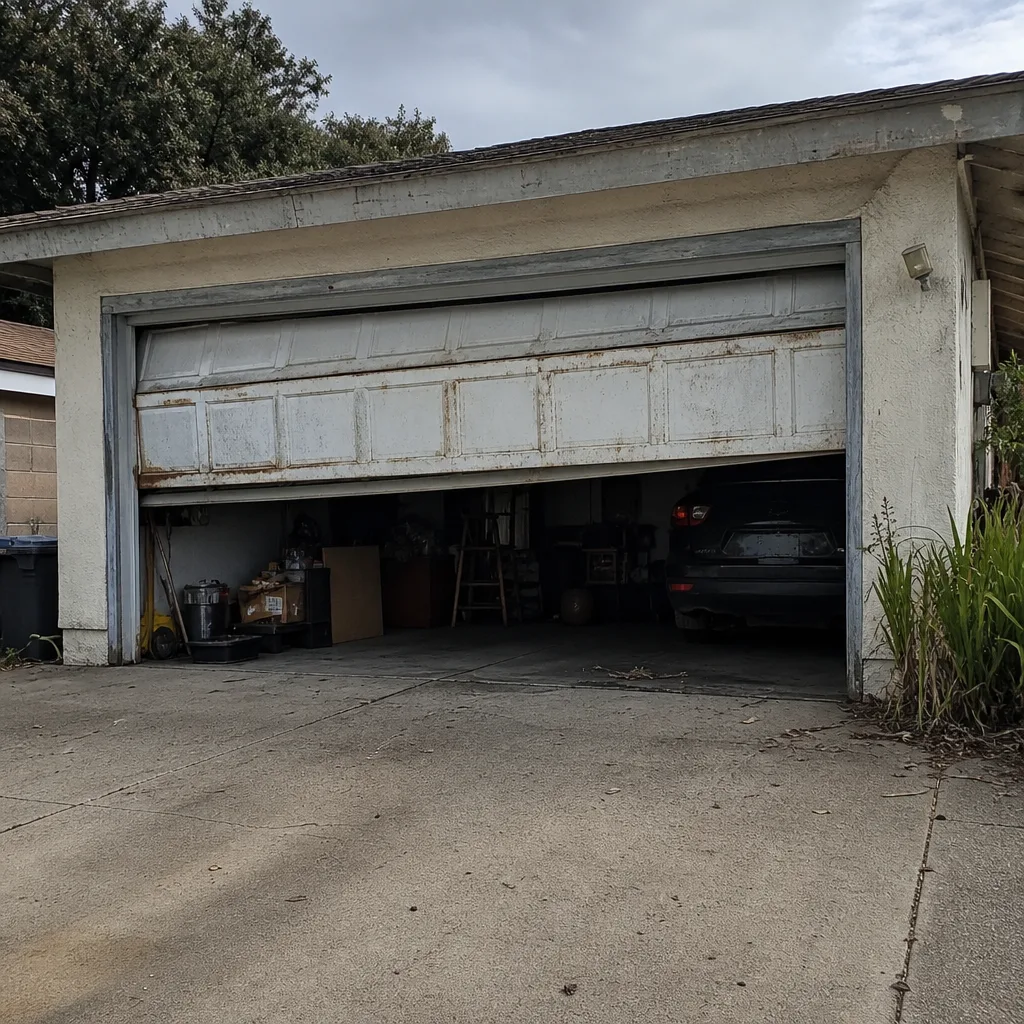 Before
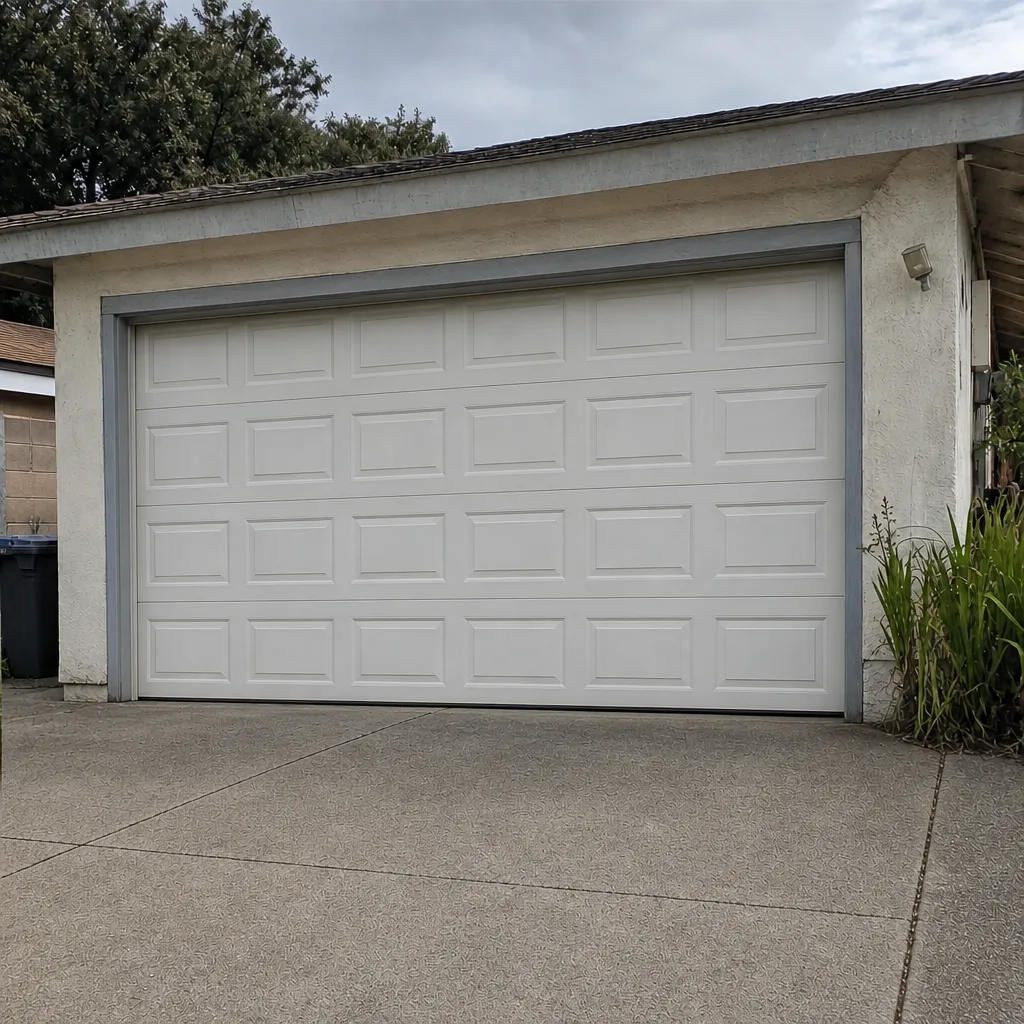 After
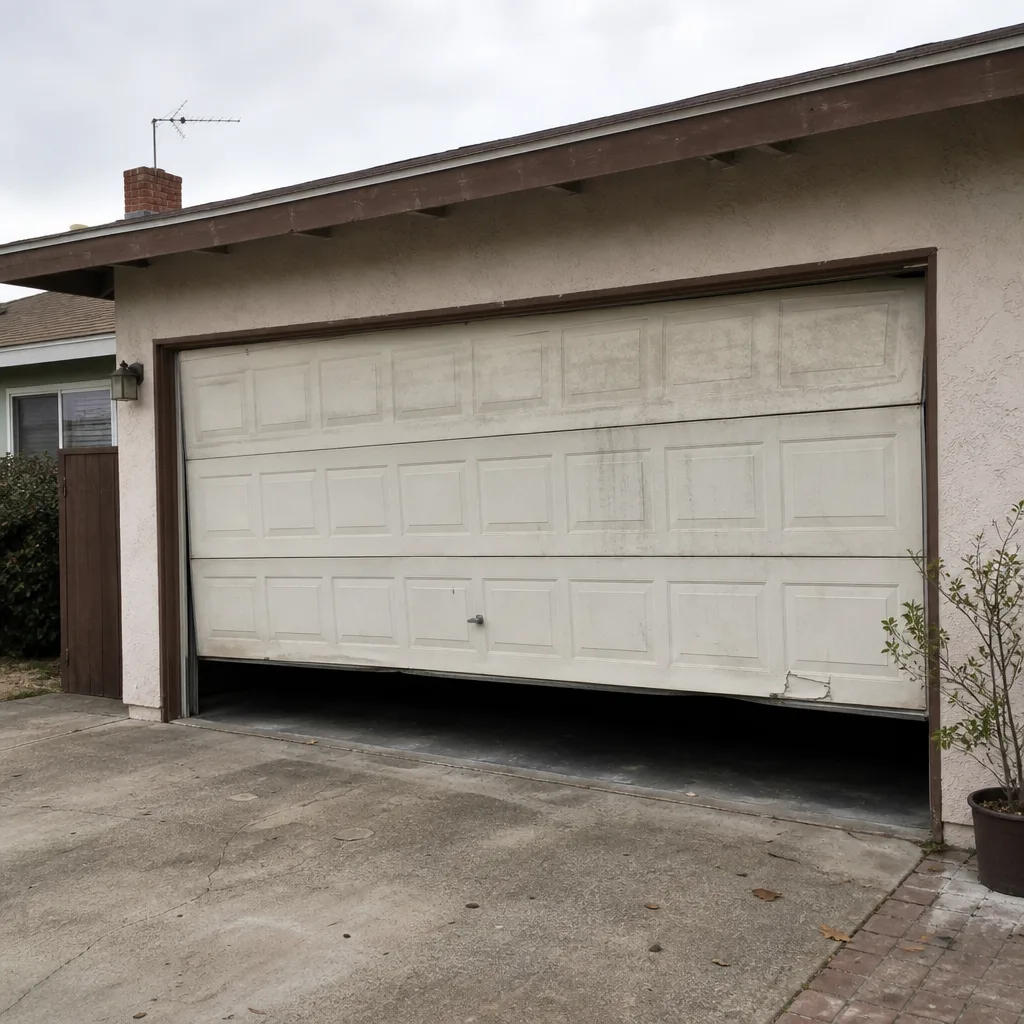 Before
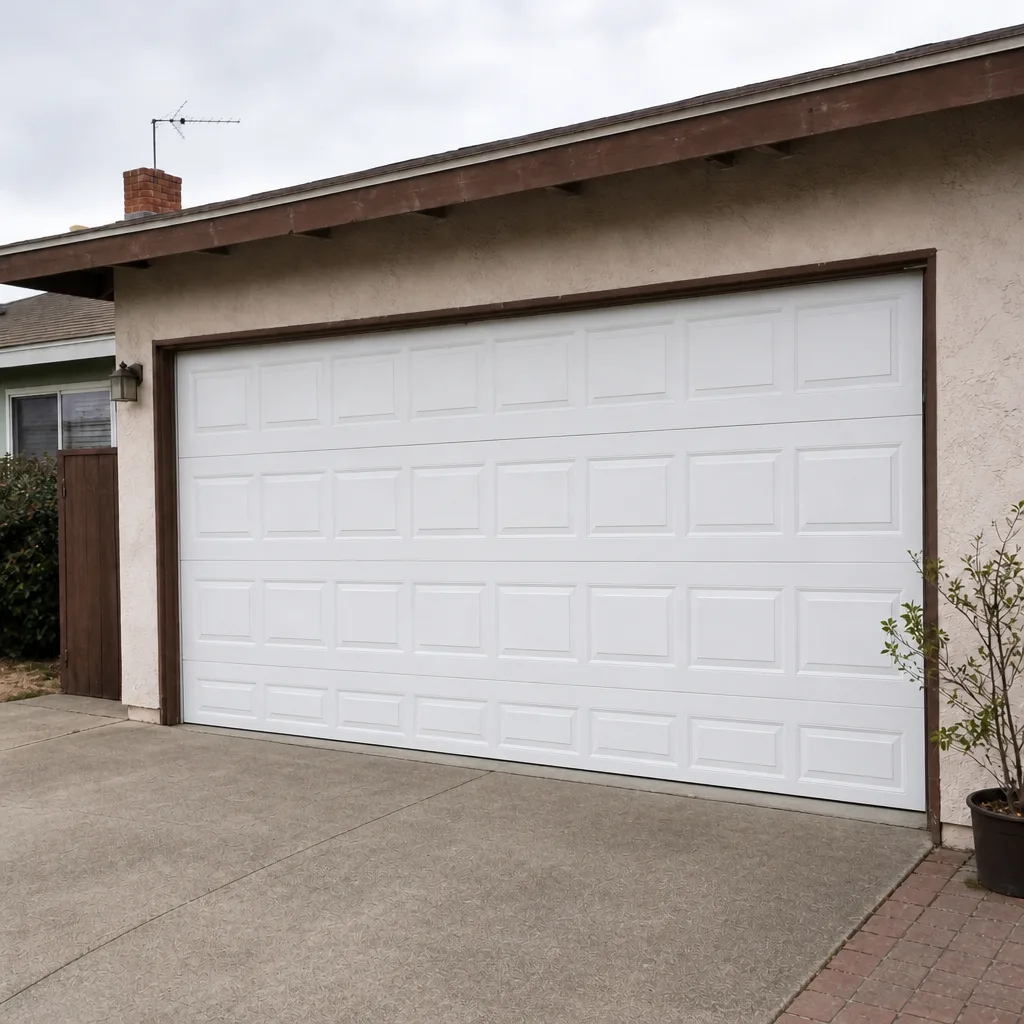 After
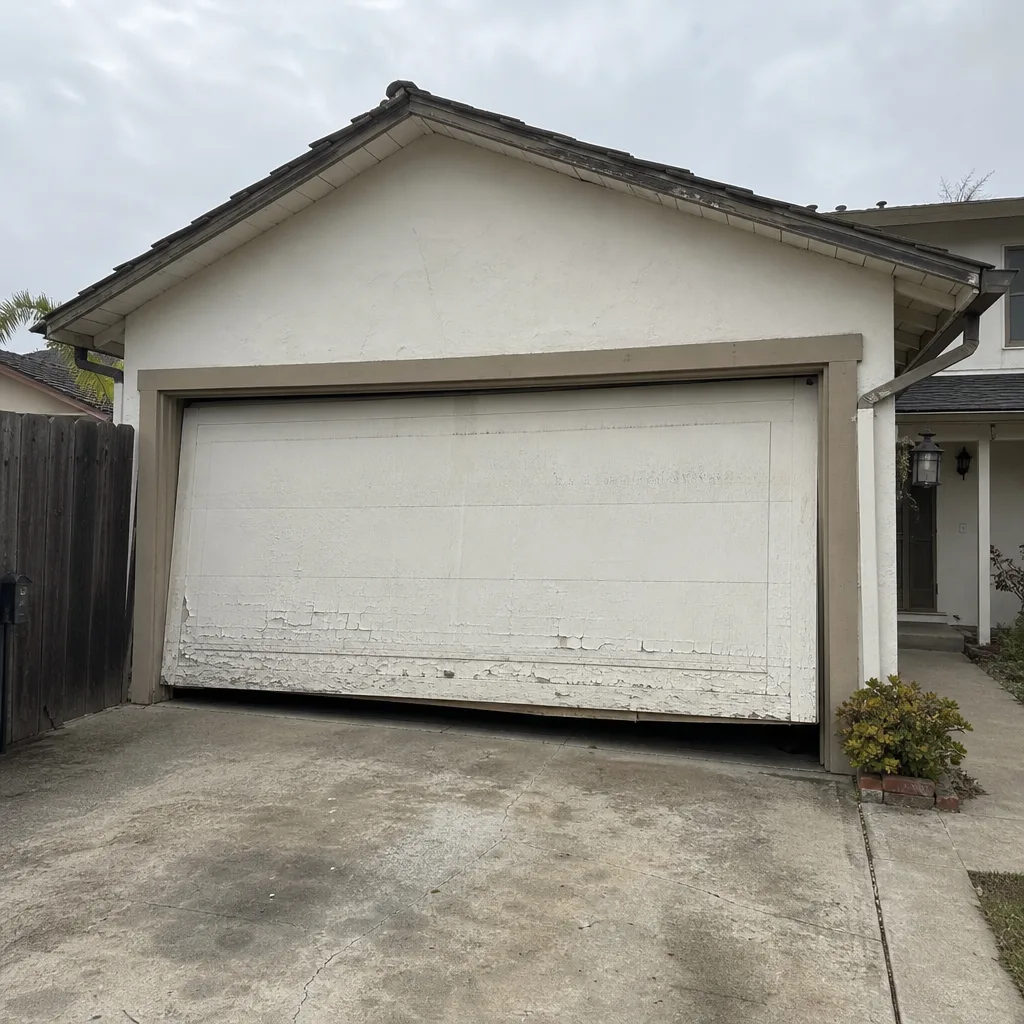 Before
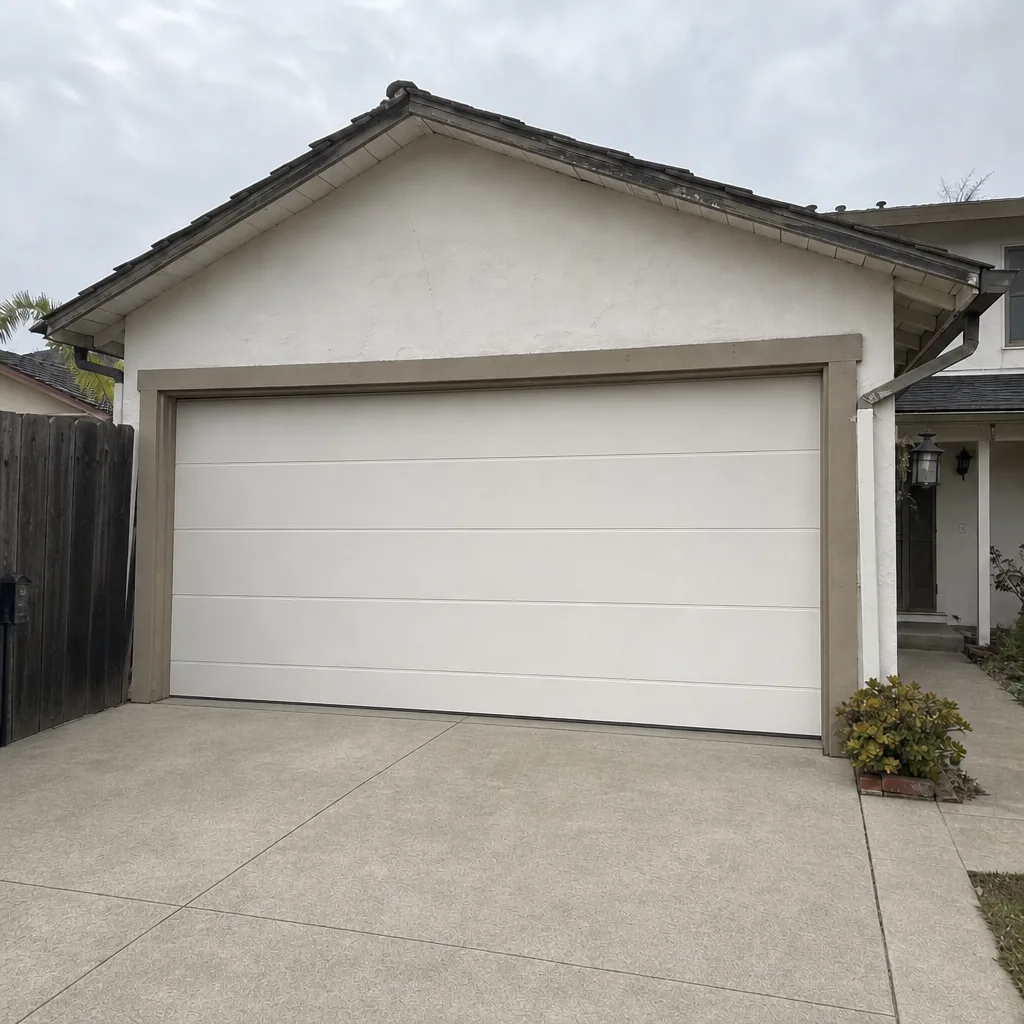 After
Frequently Asked Questions
Once a year is a reasonable baseline, but Ventura’s climate rewards a cycle-based approach. A pre-October wind inspection, a pre-rain seal check, a spring moisture cleanup, and a summer balance test together cover the year better than a single annual visit. Add a monthly corrosion walk-around for the year-round task. If the door is older or has been through a hard wind or rain season, get it looked at sooner.
Fall is the highest-risk season, because of the Santa Ana winds. Dry heat followed by sustained gusting works hardware loose, dries out seals, and drives grit into moving parts. A door that’s been fine all summer can show track misalignment, bent panels, or a struggling opener by the time the winds pass. Inspect before October, every year.
Marine layer moisture is usually the reason. Damp air fogs the safety sensor lenses, rusts tracks and rollers, and can reach opener electronics. A door that won’t close in spring is often just a dirty sensor lens, which you can wipe clean with a dry cloth. If erratic behavior continues after cleaning, or the opener loses its travel limits, that’s a technician job.
No. Track channels should stay clean and dry. Lubricant in the tracks attracts grit, and grit grinds the rollers and roughens the rolling surface. Lubricate the rollers and hinges with a garage-door-appropriate product, and wipe the tracks with a dry cloth. If noise continues after that, worn rollers or a balance problem is the likely cause, and it’s worth a professional look.
Some difference is normal. Steel expands in warm afternoons and contracts in cool mornings, so panel seams and door weight shift slightly through the day. What’s not normal is a door that fails the balance test, slams down, or struggles to open. That points to springs that need adjustment, and it should be handled by a technician before the opener takes the strain.
Check monthly and address it early. Wipe the tracks, inspect hinges and hardware, and look at the floor-level components that get the most exposure. Light surface deposits on a hinge plate are a cleaning and lubrication job. Pitting in the track or a seizing hinge means the part needs replacement. If you’re not sure which it is, a professional inspection tells you without guesswork. Call (844) 685-4199 for a free estimate.
The Bottom Line
Ventura doesn’t have traditional seasons, and trying to follow a cold-climate maintenance guide wastes your time while missing the real risks. The fall Santa Ana winds are the highest-risk window and deserve a careful pre-October inspection. Winter hard rain events test the threshold and perimeter seals. Spring marine layer moisture goes after sensors, tracks, and opener electronics. Summer temperature swing stresses balance and tension. And corrosion runs all year, which is why it needs a monthly look rather than an annual one. Follow the cycle-based calendar, leave springs and cables to a trained technician, and repair first before replacing. That’s garage door care that actually fits Ventura.
If you need a hand with any part of the routine, whether that’s a seasonal inspection, an opener behaving strangely, or a door that’s ready for replacement, we’re here for it. We work on your brand, garage doors only, and we’re glad to give you a straight answer on repair versus replacement. See what we cover in Ventura and reach out when you’re ready. Call (844) 685-4199 for a free estimate. We answer 24/7. Fast dispatch from 7am to 7pm, Sunday through Friday. Closed Saturday.
Written by the team at Sunridge Garage Door Repair.