
Last updated November 15, 2026
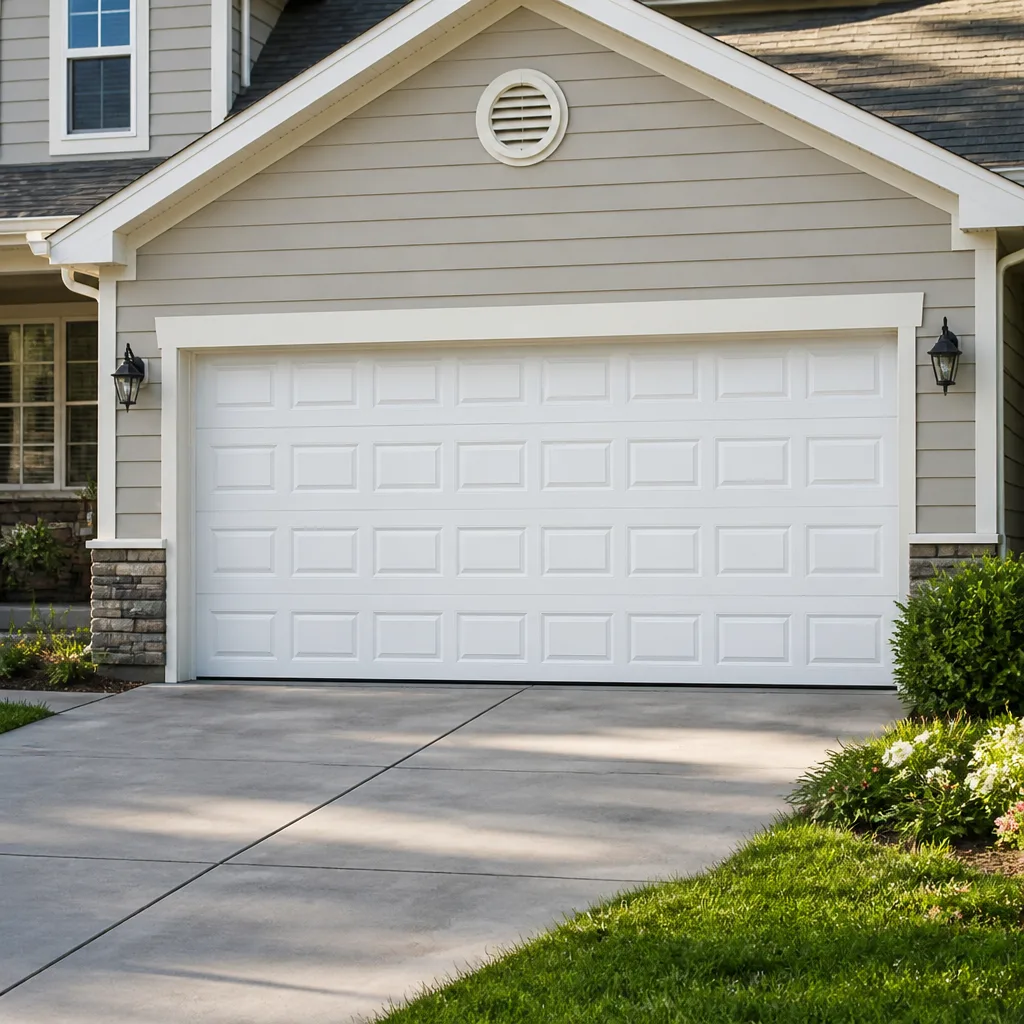 Raised-panel steel
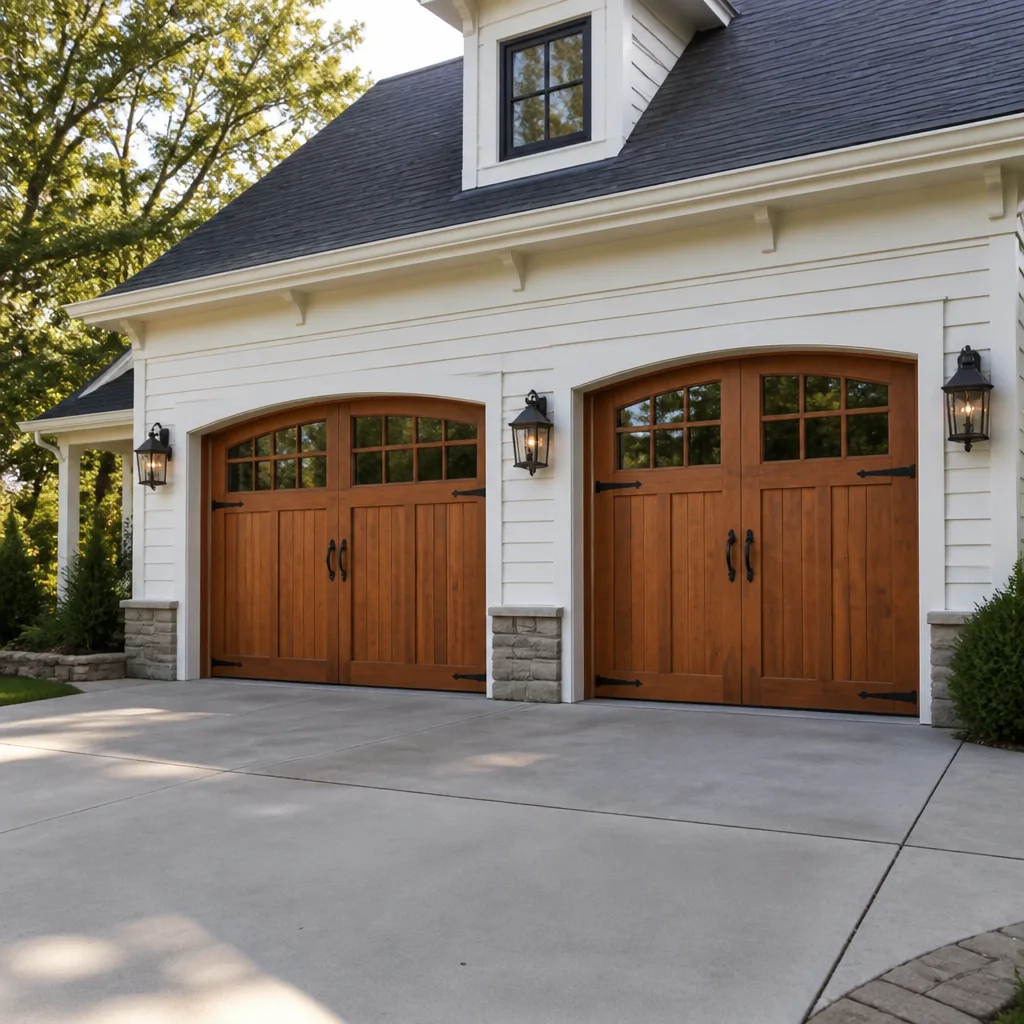 Carriage house
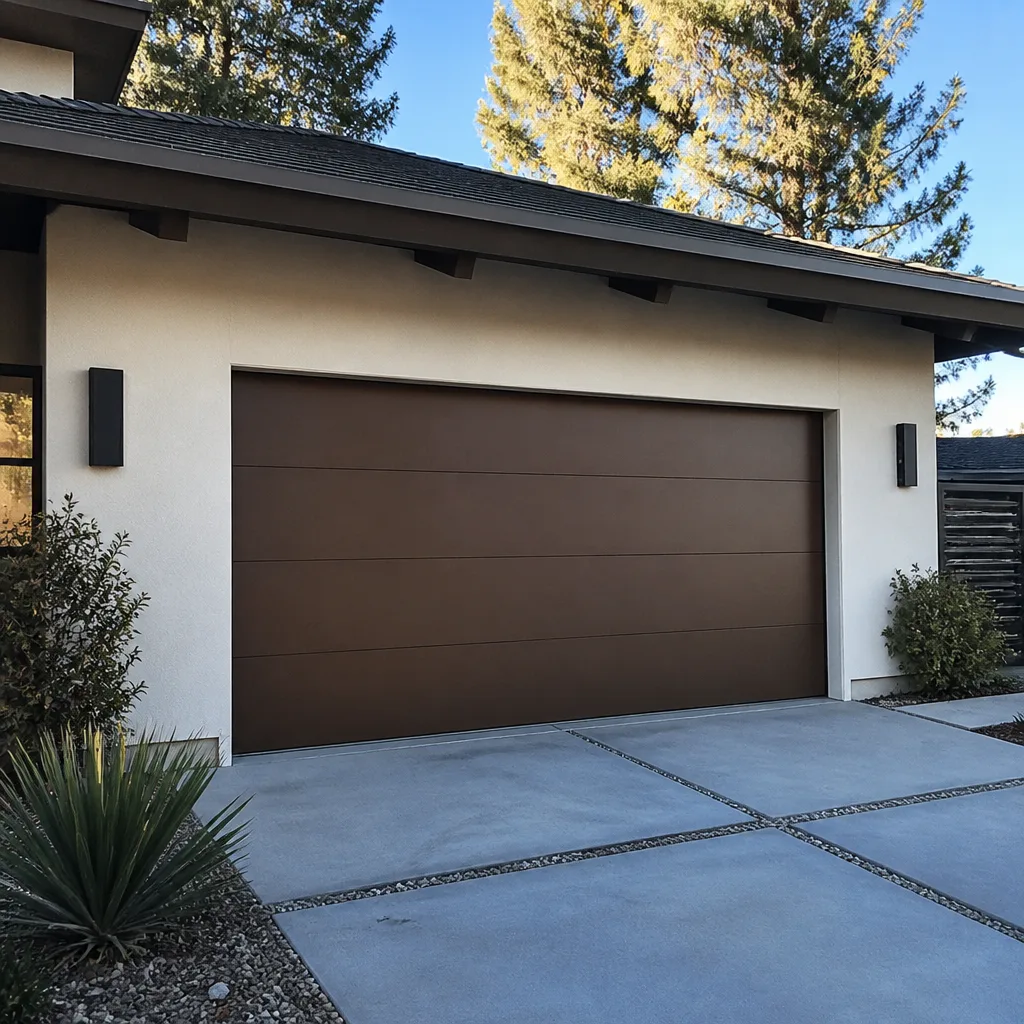 Modern flush
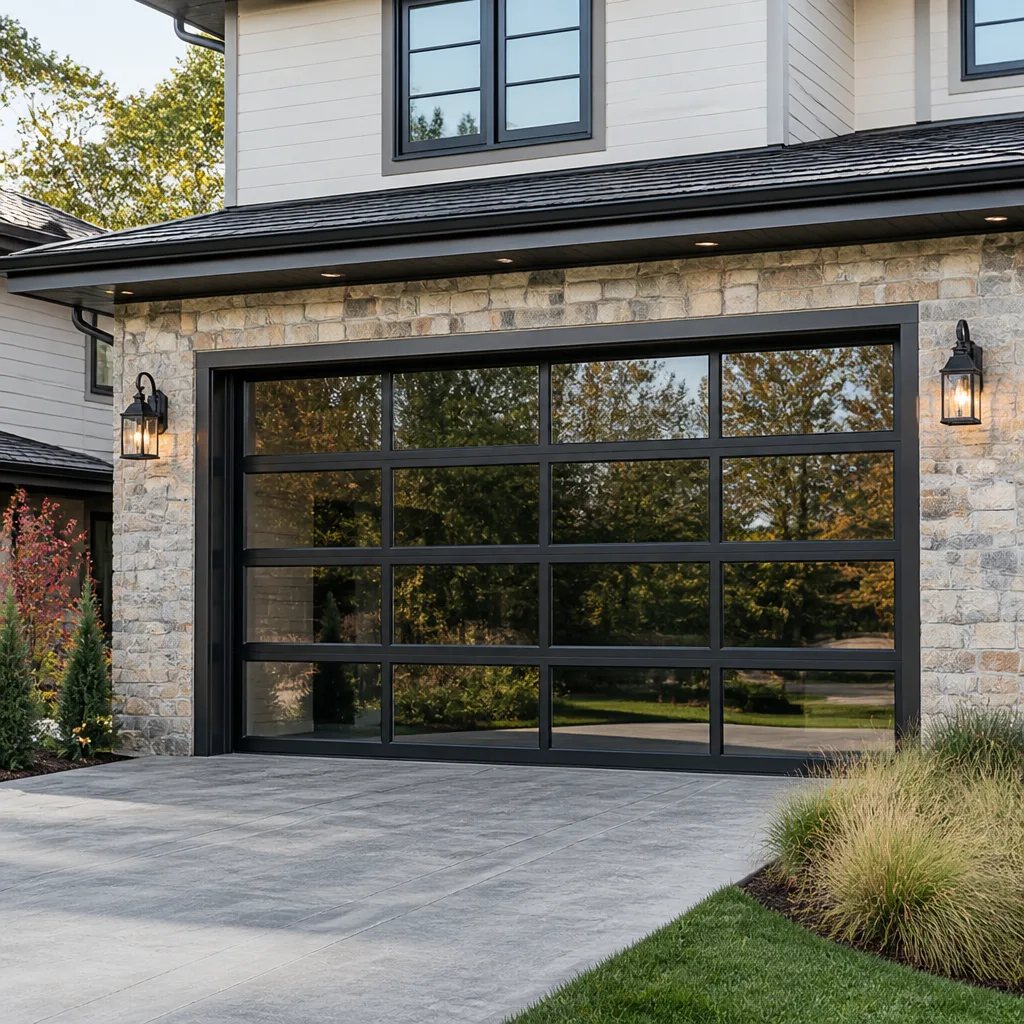 Full-view glass
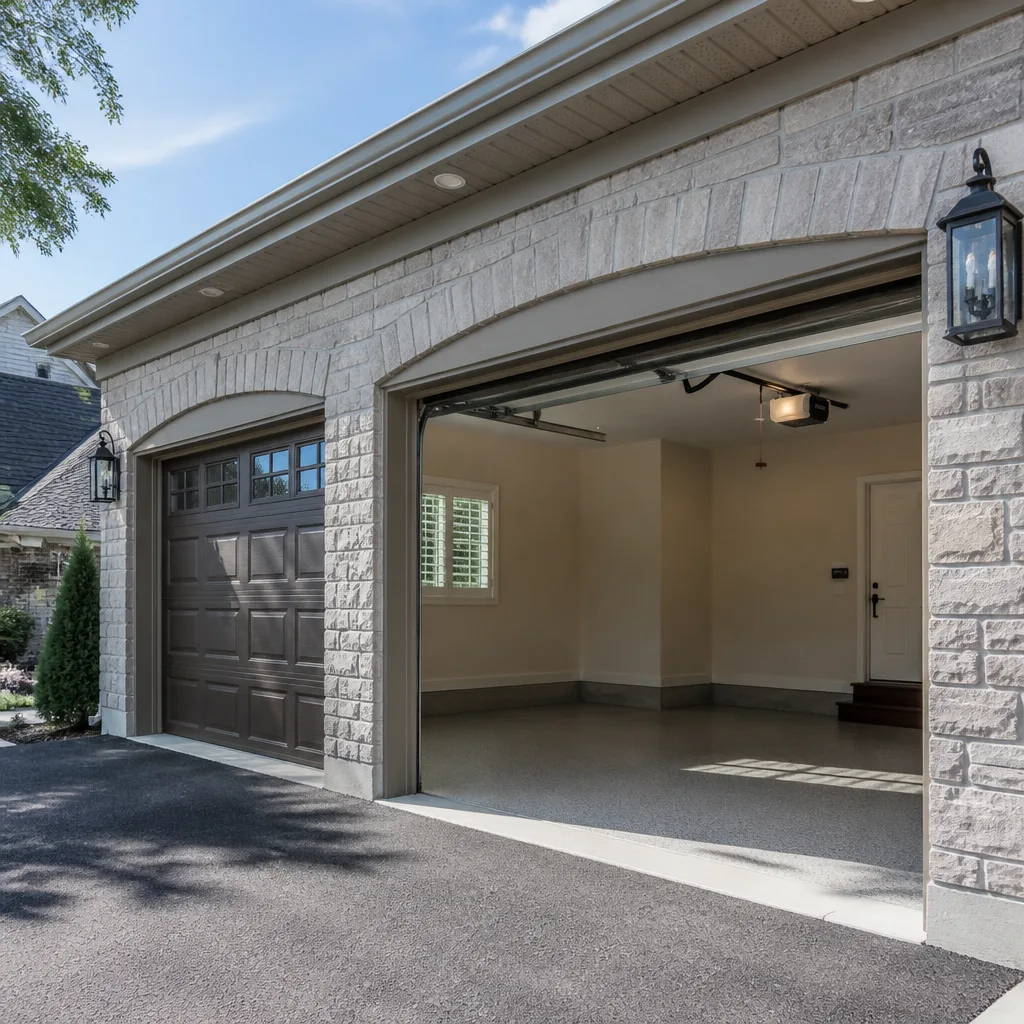 LiftMaster openers
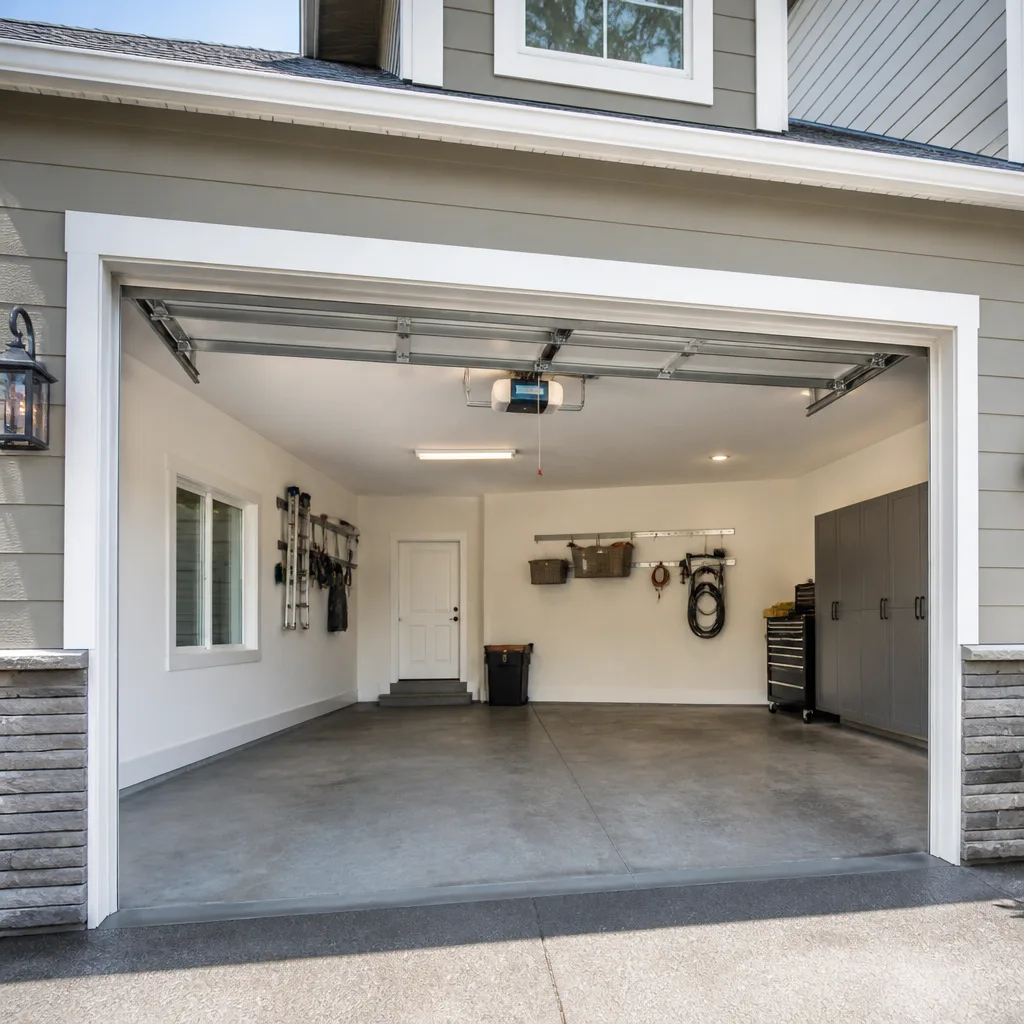 Chamberlain openers
Full 25-point door and opener safety check with every visit - springs, cables, rollers, tracks, and your LiftMaster or Chamberlain opener included
You get a price before we start. It does not change when the pro arrives.
Get your free estimateThe Complete Guide to Garage Doors in Ventura
Most garage door guides are written for climates with four seasons. Ventura has one and a half, and that changes almost every material and hardware recommendation on the list. We’re not being cute about weather. The combination of mild winters, a persistent marine layer, and dry Santa Ana wind events puts stresses on springs, tracks, and openers that a guide written in Ohio will never mention. And Ventura’s housing stock complicates the picture further: a lot of the city’s ranch homes were built between the 1950s and 1980s, and their openings don’t always match the standard measurements a modern installer expects. This guide covers door types, opener brands, the realistic lifespan of the hardware, and when repair stops making sense, all from the perspective of a shop that works on garage doors in Ventura every week.
Quick Answer
The right garage door for a Ventura home depends on three things: your opening dimensions (especially in older ranch homes where the standard headroom or widths don’t apply), the amount of wind and humidity exposure your door faces, and whether you’re repairing an existing system or replacing it. Corrosion control matters more here than snow or heat damage, and most doors fail on the motor or spring before the panels wear out. If your door is more than fifteen years old and the opener is struggling, a replacement is often the cheaper path; if the panels are sound, garage door repair can usually get you back in service.
Styles & brands we work with
- Raised-panel steel
- Carriage house
- Modern flush
- Full-view glass
- LiftMaster openers
- Chamberlain openers
Table of Contents
- Why Ventura’s Climate Is Hard on Garage Door Hardware
- Which Garage Door Types Suit Ventura Homes
- The Older-Home Problem: Non-Standard Openings in Ventura
- Brand-by-Brand Breakdown for Ventura Conditions
- The Full Lifecycle of a Garage Door in Ventura
- Repair or Replace? A Practical Decision Guide
- Safety Principles Every Ventura Homeowner Should Know
- What Maintenance Actually Matters Here
Why Ventura’s Climate Is Hard on Garage Door Hardware
Start with the obvious: Ventura is a coastal city, and that means the air carries a real amount of moisture and suspended salt most of the year. Not the dramatic corrosion of a beachfront deck, but a slow one. Metal hardware that would last twenty years inland will often show surface rust inside five to eight on a door facing the onshore flow. Springs, track fasteners, hinge plates, and the roller bearings are all susceptible, and the pattern is worst on doors that face west or southwest.
The second issue is the marine layer. That low cloud cover keeps surfaces damp for hours each morning, especially in spring and early summer. Hardware that stays wet or never fully dries between morning fog and afternoon sun moves through a wet-dry cycle every single day. That cycle is what actually breaks things, more than the moisture itself. Springs fatigue faster, and galvanized coatings on cheap track sections break down sooner than you’d expect.
Then there’s the wind. Santa Ana events aren’t just a wildfire season concern; they’re a mechanical stress on your door. A single-wall or uninsulated panel that’s fine on a calm day can flex and rattle in a sustained gust, and that flexing works the roller and hinge assemblies loose over time. If your door pops and bangs during a wind event, that’s not normal, and it’s worth checking.
Here’s what that means in practice for a Ventura door:
- Parts that rust slowly inland rust faster here, so hardware grade matters more than in a mild dry climate.
- Springs and rollers wear in a pattern driven by daily humidity cycling, not by temperature extremes.
- Wind loading on lightweight doors is a real issue in exposed parts of the city.
- Doors on the windward side of the house will need more frequent inspection.
Which Garage Door Types Suit Ventura Homes
You’ll hear three main door constructions in the field: single-wall steel, double-wall (sandwich) steel, and wood or wood-composite. The trade-off is always cost, weight, insulation, and how the material handles moisture. In a four-season climate the calculation is mostly about insulation. In Ventura, it’s mostly about corrosion resistance and wind stability.
Single-wall steel is the cheapest option and common in older homes. It’s fine for interior access but it flexes in wind and rust penetrates directly through any coating scratch. Expect ten to fifteen years of service if it’s maintained, often less on the salt-exposed side.
Double-wall steel with a polyurethane or polystyrene core is where most Ventura homeowners end up on a replacement. The double skin protects against rust better, the door is stiffer in wind, and it insulates against heat gain on the west-facing side. This is also the category where Clopay and Amarr do their best work, particularly the models with baked-on finishes and improved corrosion coatings.
Wood and composite are popular in Ventura’s older neighborhoods for appearance, and they can be lovely, but they require real maintenance. Wood swells and checks in this climate, and without a repaint every few years the panels will fail before the hardware does.
Aluminum and glass modern doors look great on contemporary homes but are usually the wrong choice here unless they’re heavily reinforced. They flex, they’re expensive to repair, and the aluminum frames pit quickly near the coast.
Sectional is the default. Roll-up doors are rare on residential Ventura homes and typically don’t fit the low-headroom conversions in older houses. If you’re replacing, the right choice usually comes down to matching your existing opening and choosing the heaviest door your opener can reliably lift.
The Older-Home Problem: Non-Standard Openings in Ventura
This is where Ventura trips up installers from outside the area. A large percentage of the city’s housing was built between about 1950 and 1985, and the way garage openings were framed then doesn’t always match what a modern manufacturer considers standard. We’ve seen this over and over working on garage doors in Ventura.
The most common surprises:
- Low headroom. Older garages often have too little clearance above the door for a standard torsion spring and track setup. The fix is a low-headroom track and spring configuration, which not every installer quotes correctly.
- Odd widths. A nominal “16-foot” opening might actually measure 15 feet 8 inches or 16 feet 2 inches, and door manufacturers build to spec. If you don’t measure first, the door doesn’t fit.
- Out-of-square framing. Fifty years of settling and seismic movement means jamb openings are rarely perfectly square. A door that’s installed without accounting for that will bind on one side within months.
- Obsolete openers. Some of the original openers on these homes used hardware and safety systems that aren’t supported anymore, and parts simply don’t exist. That’s a garage door opener repair issue in name, but the real answer is usually a new unit.
If your home was built in this era and you’re getting quotes, insist that the installer measures headroom, width, and jamb squareness before ordering. It’s a five-minute check that prevents a very expensive return.
Brand-by-Brand Breakdown for Ventura Conditions
We work across eight brands, and they’re not interchangeable. Each one has strengths and weaknesses that show up specifically in this climate. Here’s what we’ve learned.
Clopay makes some of the most corrosion-resistant steel doors in the residential market. Their baked-on finishes and heavier gauge panels hold up well against the humidity cycling you get near the coast. If you’re replacing an older single-wall door and want something that will still look decent in fifteen years, Clopay is often the answer. Their higher-insulated lines are also a good fit for south- and west-facing garages that bake in the afternoon.
Amarr is a strong second for coastal use, with solid panel stiffness and good hardware out of the box. We see fewer issues with Amarr panels flexing in wind than with lighter economy doors. They’re a good match for ranch homes where the door reads as part of the original look.
Chamberlain openers (closely related to LiftMaster) are the most common opener we see installed, and for good reason. The safety reversing system is reliable, the motors handle heavier double-wall doors, and the belt and chain drive options accommodate most Ventura configurations. If you’re adding a smart opener, Chamberlain’s line is usually the easiest integration.
Genie is the other major opener brand on most homes. They tend to be quieter in belt-drive form and easy to service, but the older models are notoriously difficult to source parts for. If you’ve got an aging Genie, understand that any significant failure is likely a replacement conversation.
On the door side, Wayne Dalton and Raynor are both common in older Ventura homes and both are worth repairing when the panels are intact. Craftsman and LiftMaster openers complete the picture.
The Full Lifecycle of a Garage Door in Ventura
Every door has a predictable arc. Knowing where you are on it tells you whether to fix or replace.
- Years 1 – 5: The door works smoothly. The main risk is poor installation (out-of-square track or wrong spring tension). This is when you want to check the balance and lubrication.
- Years 5 – 10: First spring replacement, usually. This is also when surface rust starts on hardware in coastal air. Rollers may need replacement. Regular lubrication extends everything else.
- Years 10 – 15: The opener starts showing its age. Panels may have cosmetic checking or fading. Track hardware is getting loose. This is the period when routine repairs are cheap and effective.
- Years 15 – 20: Second spring replacement, likely opener replacement, and the start of panel corrosion if the finish has failed. Repair is still a reasonable option if the door is structurally sound.
- Years 20+: Panels show real rust-through or delamination. The opener is probably on its second or third unit. At this point, cost-per-year of repair starts exceeding cost-per-year of replacement, and that’s the honest cutover.
Keep in mind this timeline assumes regular lubrication and inspection. A neglected door on the wind and salt side of the house can hit “years 20+” conditions in year twelve. If your door hasn’t been looked at in several years, book a tune-up or a professional inspection before the spring breaks in March, when the fog sits lowest.
Repair or Replace? A Practical Decision Guide
Most homeowners wait too long to replace and replace too soon when the actual fix is a repair. Here’s how we talk through it:
- Repair if the panels and frame are sound, the problem is a spring, roller, hinge, opener, or sensor, and the door is under about twelve years old.
- Repair if a single section took damage and the model is still available (many Wayne Dalton and Raynor models are still stocked).
- Replace if the panels are rusted through, the door is out of balance and can’t be aligned, or the repair cost would exceed about half the replacement cost.
- Replace if the opener is obsolete and the door needs a heavier unit anyway. Bundling the two is almost always cheaper than doing them separately.
Price matters. Typical garage door repair in Ventura runs in a wide range depending on the part. A single torsion spring, for example, is meaningfully cheaper than a matched pair, and most doors get both springs replaced together because a failed spring almost always signals the other is near the end. A full replacement, by contrast, varies with panel size, insulation, and opener choice. The best way to know is to ask for a written estimate that names the parts, the door model, and the labor, and compare across two or three bids. That’s how we price every job, and it’s how any honest specialist should.
The question to ask yourself: does the door still make sense for the house, and does the house still make sense with this door? In Ventura, where many homes are passing between owners, that question gets asked often.
Safety Principles Every Ventura Homeowner Should Know
We want to be direct about this. A garage door spring under tension can cause serious injury, and the torsion spring, in particular, stores enough energy to be genuinely dangerous. We do not recommend any do-it-yourself work on springs or cables. Ever. A trained technician has the tools and the sequence, and even they treat it carefully. If a spring breaks, call a professional.
The same goes for opener wiring, especially on units that connect directly to household power. Any interior electrical work should be done by a licensed electrician; the low-voltage safety sensor side is a different matter, but even that benefits from a careful eye.
What you should check yourself, safely:
- The safety reversing sensors at the bottom of the door: if you can’t get the beam to break cleanly, they need adjusting.
- The auto-reverse function: put a small object in the door path and confirm it reverses. If it doesn’t, stop using the door and call.
- The balance test: raise the door by hand to halfway and let go. A balanced door holds; an unbalanced one falls.
- Loose hinges, damaged rollers, or a track that’s visibly misaligned.
Anything more than that is a technician’s job.
What Maintenance Actually Matters Here
The single best thing you can do for a Ventura door is to lubricate the moving parts. Not the track; the rollers, hinges, and spring coils. A silicone or lithium-based lubricant used once or twice a year does more for lifespan than anything else. Avoid heavy grease, which attracts dirt and grit.
The second thing: wash the door panels every few months, and touch up any paint chips before rust takes hold. In a coastal climate, that little scratch on a steel panel is the start of a much bigger problem.
The third: have the door professionally inspected about once a year, ideally before the Santa Ana season begins. A tech can catch a weakening spring, a loosening hinge, or an aging opener before any of them fail on a Sunday when you need the car.
Beyond that, replace the opener battery backup (if equipped) when it starts chirping, and consider a surge protector for the opener in homes with older electrical systems.
Common Mistakes to Avoid
- Ordering a replacement door without measuring. Ventura’s older ranch homes have nominal sizes that don’t match reality. Always measure headroom, width, and jamb square before ordering.
- Replacing one spring when the other is the same age. Matched pairs are almost always the right call. Replacing just one leaves the other near failure.
- Greasing the tracks. Tracks should be clean and dry. Lubricant on the track attracts grit and creates binding.
- Ignoring minor rust in coastal air. A rusted hinge becomes a broken hinge becomes a binding door. Deal with it early.
- Assuming “loud” is normal. A door that rattles and bangs has a mechanical issue: worn rollers, loose hinges, or poorly tensioned springs. It shouldn’t sound like that.
- Pushing a failing opener through another summer. Openers that strain, hesitate, or reverse unpredictably are a safety issue, not a convenience one.
- Calling a general handyman for spring work. Garage doors are their own discipline. Get a specialist.
See the difference
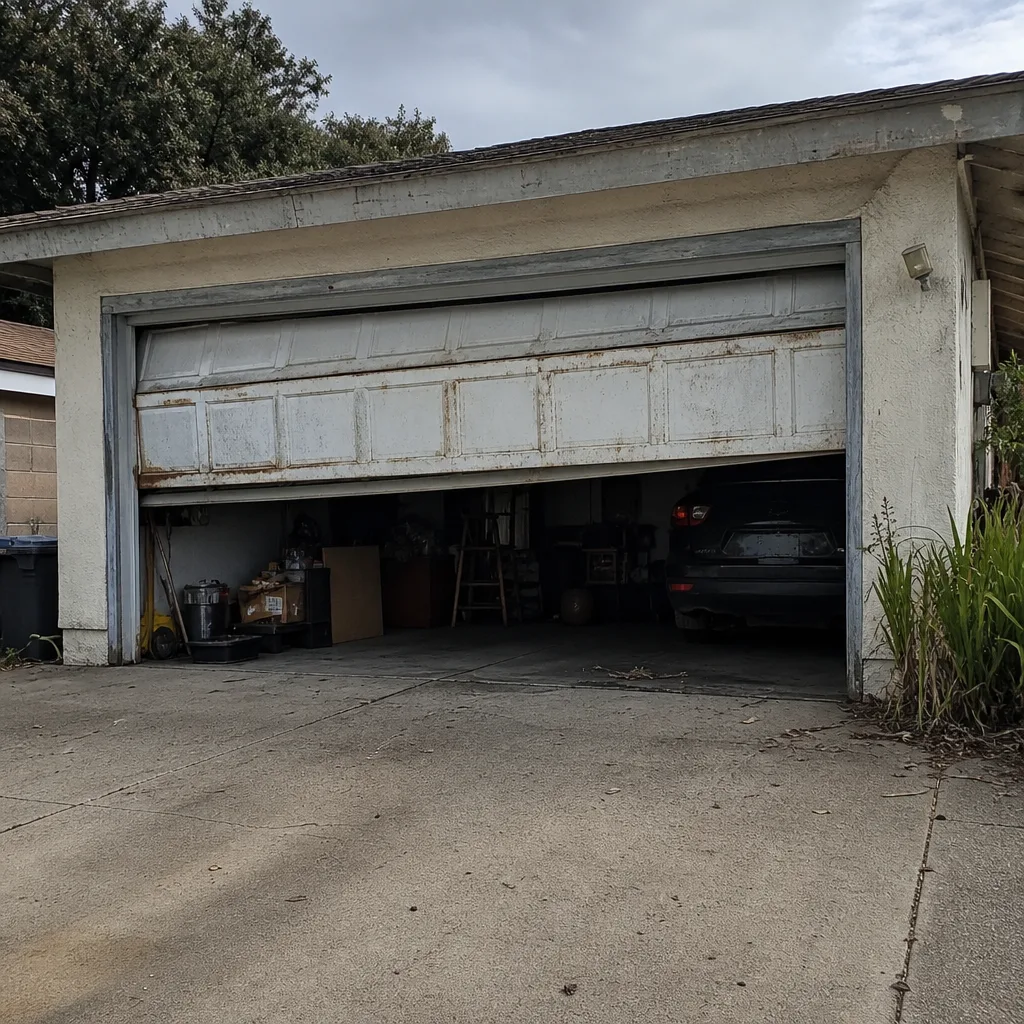 Before
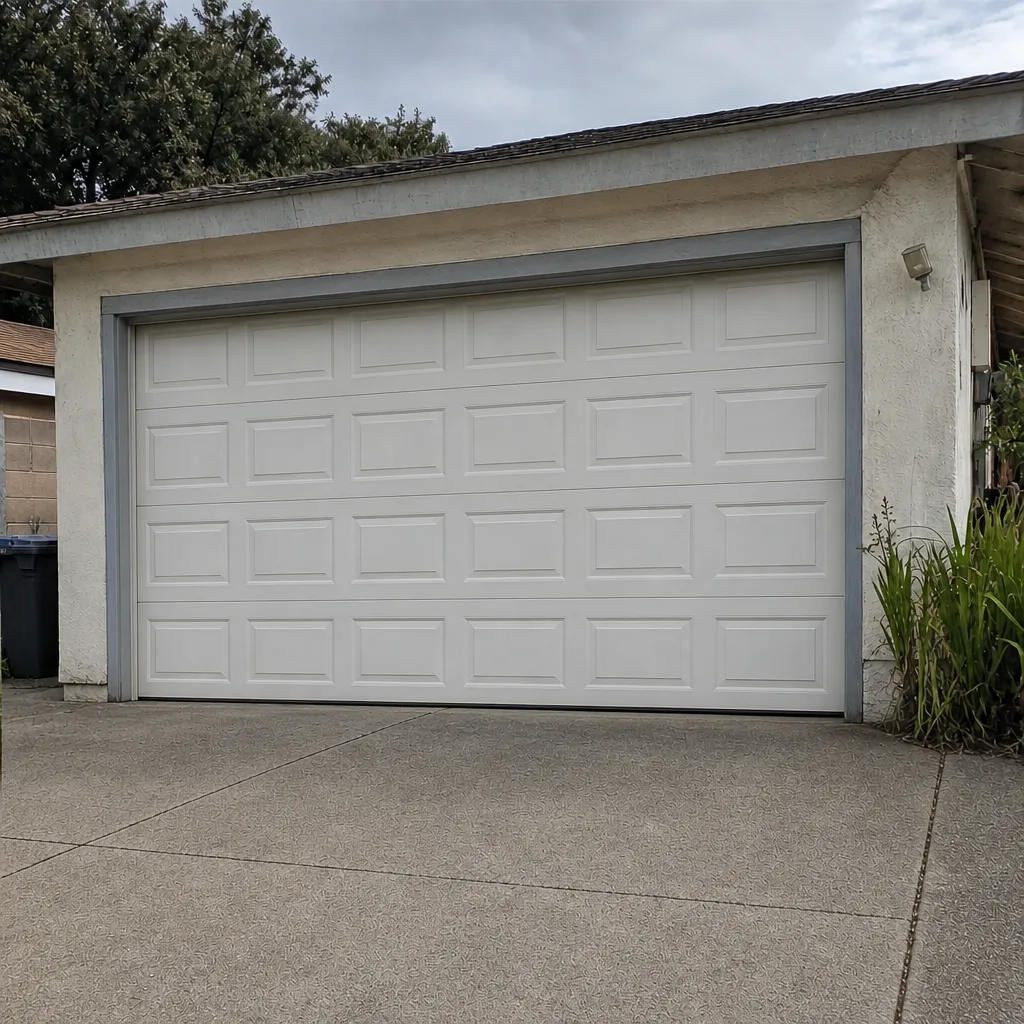 After
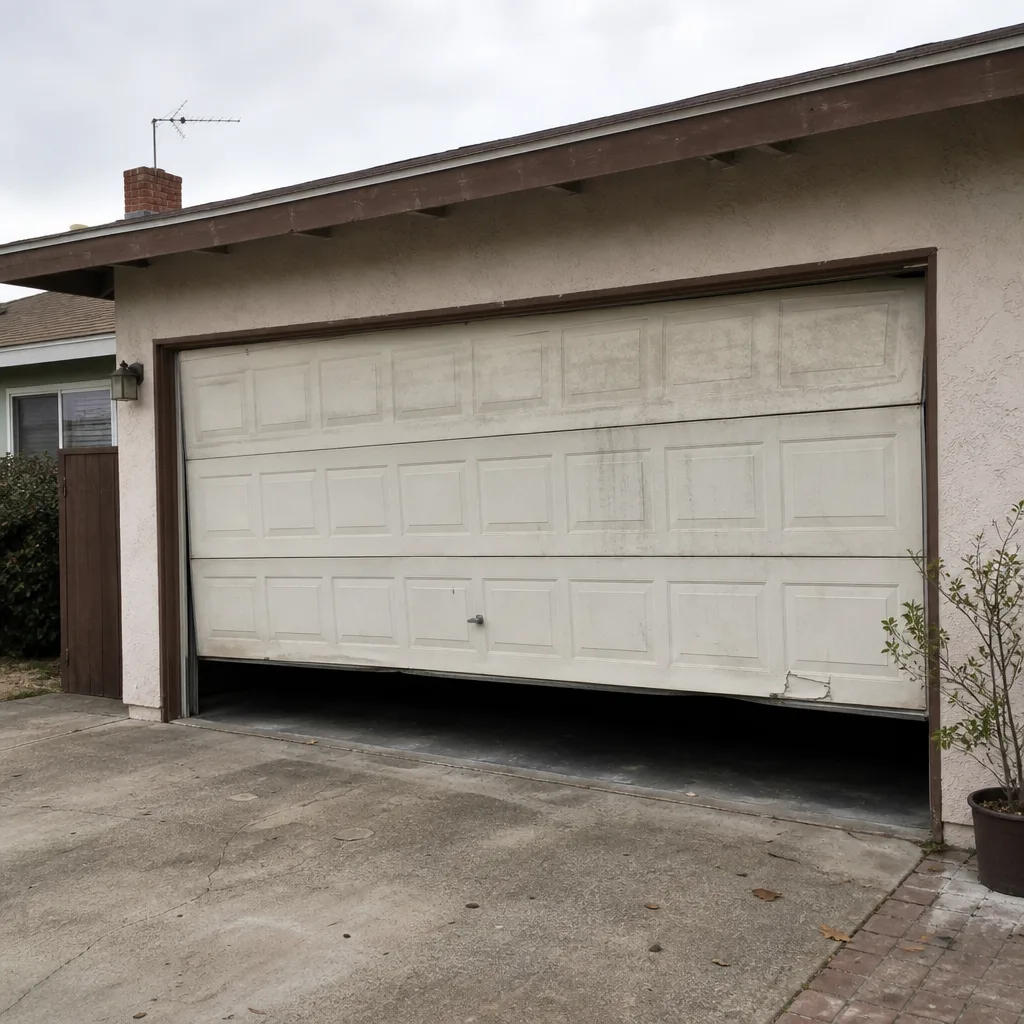 Before
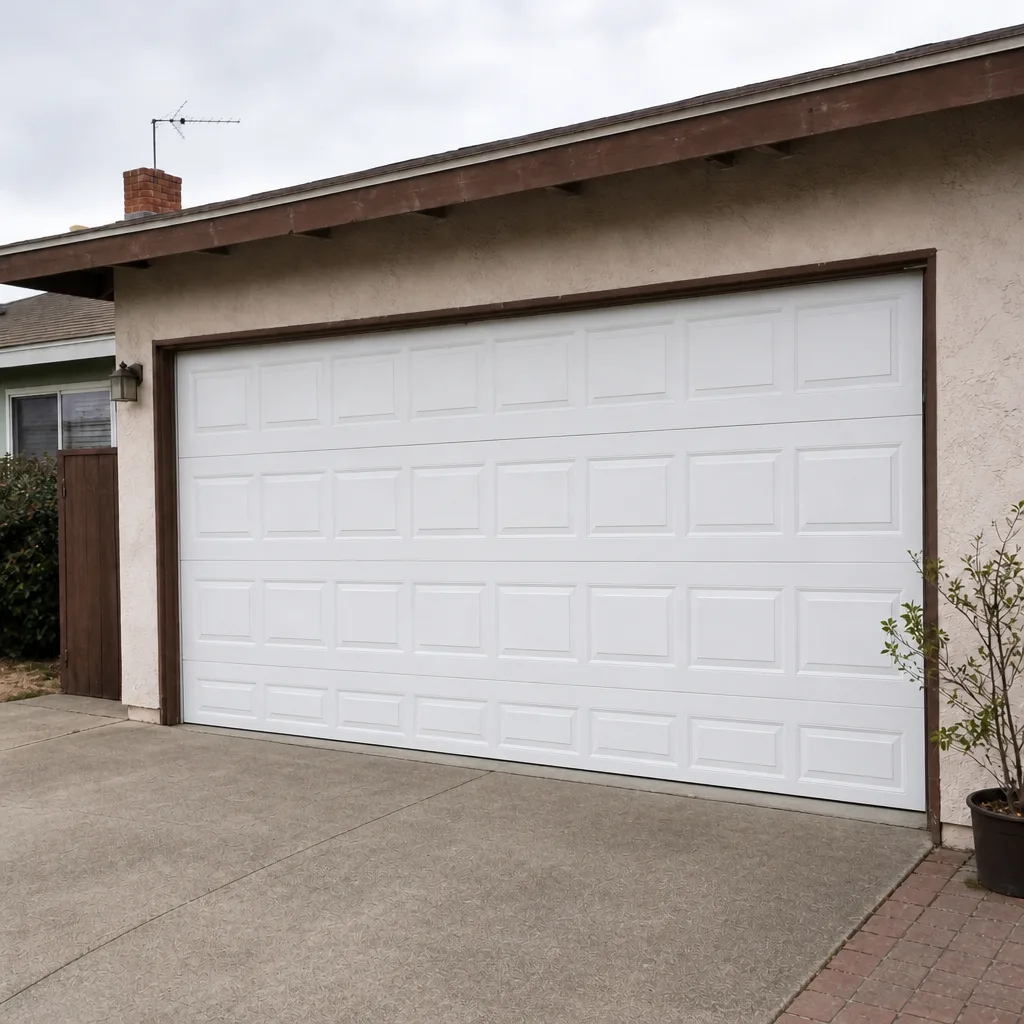 After
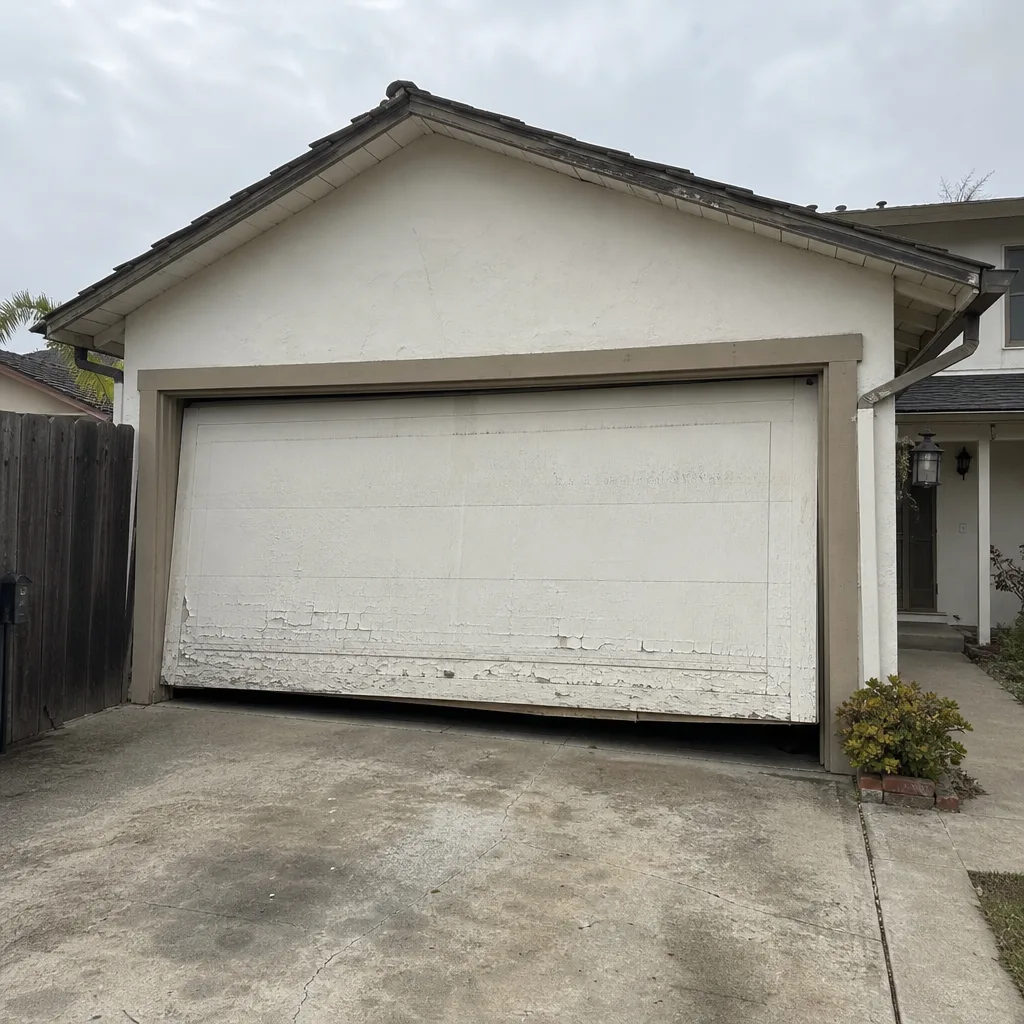 Before
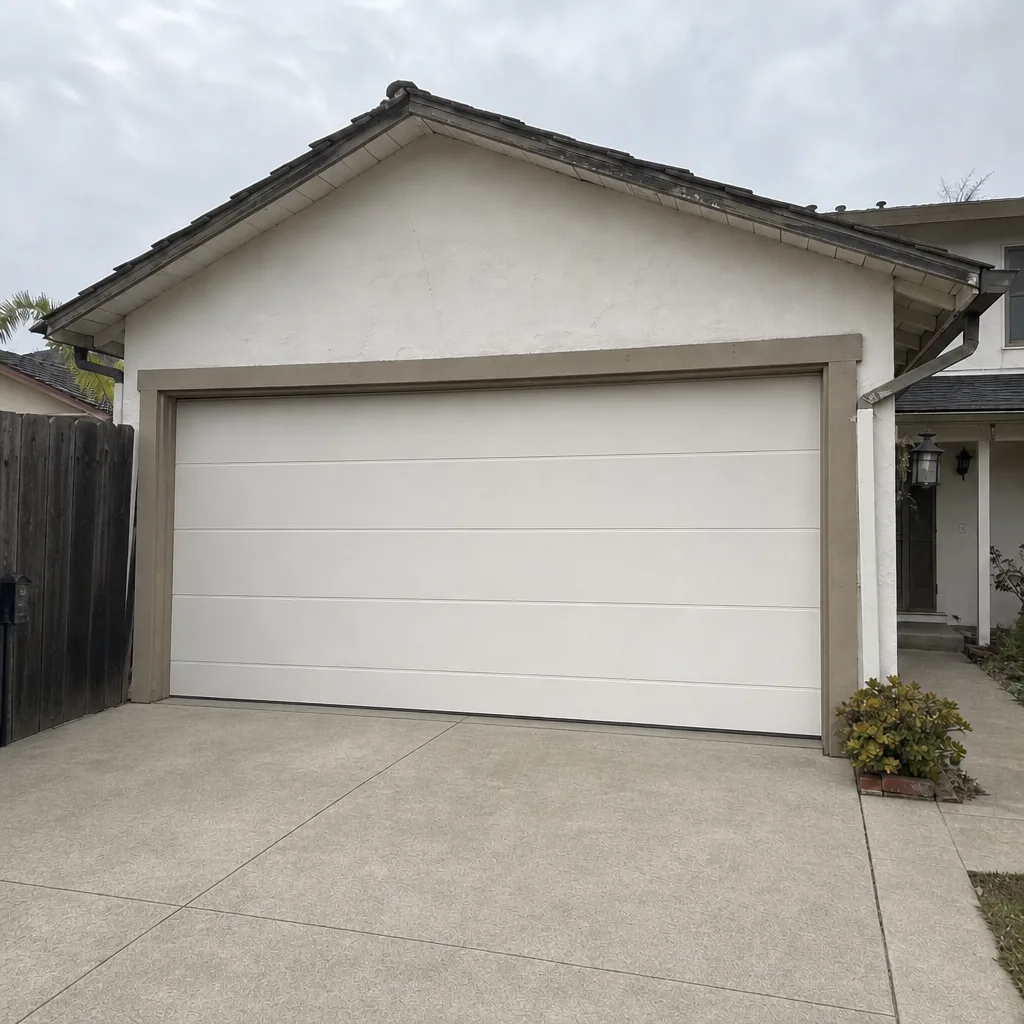 After
When to Call a Professional
Call a professional if a spring has snapped (you’ll usually hear a loud bang), if the door has come off the track, if the opener strains or reverses for no reason, if the safety sensors won’t align, or if the door is visibly out of balance. Call before you touch a torsion spring. Call before you attempt electrical work on the opener or its power supply. Call before you start dismantling a heavy double-wall panel that could fall on you. And call if your door is more than fifteen years old and you’re unsure whether a repair makes sense; a written estimate will tell you.
Sunridge Garage Door Repair offers free estimates in Ventura. Call (844) 685-4199. We answer 24/7. Fast dispatch from 7am to 7pm, Sunday through Friday. Our technicians have up to 15 years of experience and work across every major door and opener brand.
Frequently Asked Questions
A torsion spring on a Ventura door typically lasts 7 to 12 years, depending on use, the door’s weight, and how often it’s lubricated. The marine layer and coastal humidity speed up fatigue compared with a dry inland climate, so a door on the windward side of the house often lands toward the shorter end. If you’re hearing a bang or the door is suddenly heavy, the spring is the first thing to check. Call (844) 685-4199 for a quote before it fails completely.
Repair is usually worth it if the panels and frame are intact, the problem is a spring, roller, hinge, or opener, and the door is under about twelve years old. Replace if the panels are rusted through, the door can’t be rebalanced, or the repair cost approaches half the replacement cost. An estimate from a specialist will tell you which category you’re in. Call (844) 685-4199 for a free estimate.
Clopay and Amarr make the most corrosion-resistant steel doors for this environment, largely because of heavier panel gauges and better finishes. On the opener side, Chamberlain and LiftMaster models handle the humidity and the wind flexing better than economy brands. Genie units are solid too, but older models are hard to find parts for. For a specific recommendation, call (844) 685-4199 and tell us the year of your home and which direction the door faces.
Light surface rust on the tracks can often be cleaned and lubricated with a dry lubricant, and the door may work fine for years afterward. If the rust is deep, the rollers are scored, or the track is pitted enough that the rollers bind, the section or the whole track assembly should be replaced. A visual inspection is usually enough to tell you which case you’re in. Call (844) 685-4199 to have us take a look.
Measure the actual opening at the widest point (both height and width) and compare against the standard single (8×7), double (16×7), or oversize (16×8) sizes. If your numbers are off by more than an inch in either direction, your opening is non-standard. The other red flag is low headroom above the door, which is common in Ventura homes built between 1950 and 1985. Any installer should confirm measurements before ordering. Call (844) 685-4199 if you’d like a professional measurement.
Yes. We service LiftMaster, Chamberlain, Genie, Clopay, Amarr, Wayne Dalton, Craftsman, and Raynor equipment. That coverage means we diagnose your actual system rather than guessing or substituting a generic part. Call (844) 685-4199 and tell us the make and model; we’ll confirm availability and next steps.
The Bottom Line
Garage doors in Ventura live in a specific environment: mild winters, persistent coastal humidity, and dry wind events that stress lighter panels. That means corrosion resistance, wind stability, and careful measurement matter more than insulation values that were designed for four-season climates. If you’re maintaining an existing door, lubricate the moving parts, touch up paint, and get an annual inspection. If you’re replacing, insist on a proper measurement before ordering, choose a door and opener rated for the conditions, and ask for a written estimate that names parts and labor. And when a spring snaps or the track fails, call a specialist rather than a generalist.
If you’ve got a stuck door or an opener acting strange, don’t wait. Call (844) 685-4199 for a free estimate. We answer 24/7. Fast dispatch from 7am to 7pm, Sunday through Friday. Our technicians have up to 15 years of experience and work across eight major brands, so we’ll recognize your system and get it back in service.
Written by the team at Sunridge Garage Door Repair.